



Children’s Mental Health Activities Through Storytelling
In many care environments, routines provide structure and stability. But it is often the moments that invite imagination, curiosity and shared participation that leave the deepest impact. Over the past three weeks, activities at The Bridge reflected this in practice. National Storytelling Week and Children’s Mental Health Week unfolded, creating a natural opportunity to explore creativity, connection and emotional wellbeing through shared experiences.
Rather than treating these observances as separate calendar entries, staff used them as complementary themes. Storytelling became a way to build confidence and communication. Mental health focused activities offered space to reflect, connect and regulate. Together, they reinforced a simple principle: emotional wellbeing thrives in environments where young people feel engaged, supported and included.
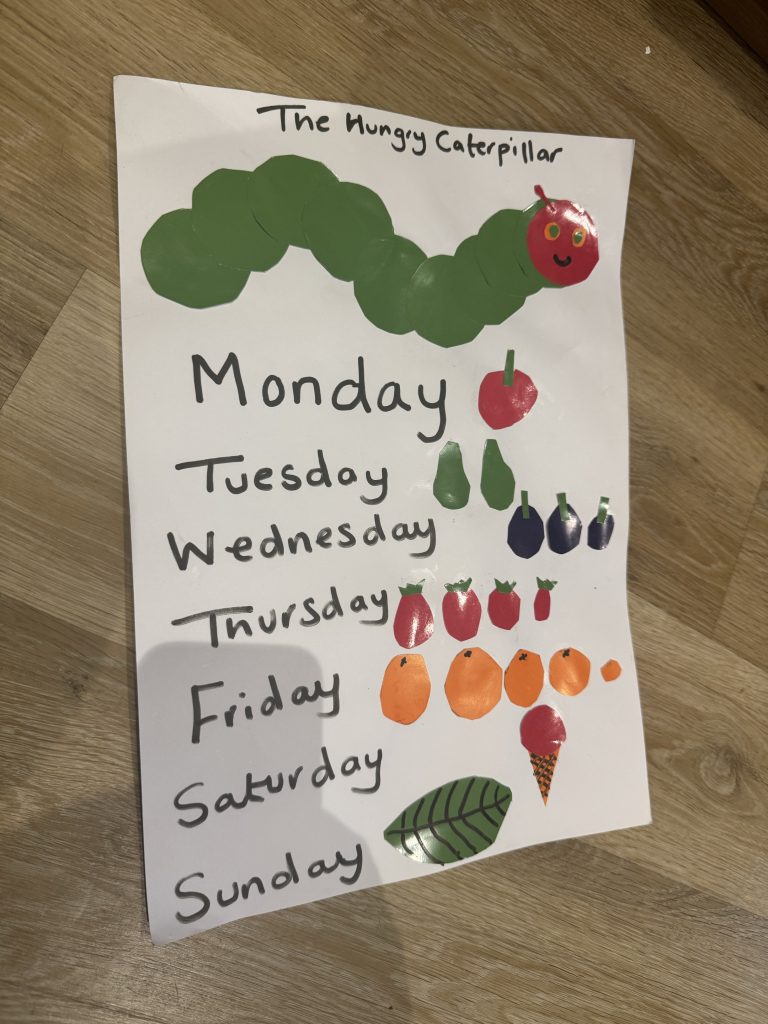
As part of National Storytelling Week, young people gathered for a sensory storytelling session inspired by The Very Hungry Caterpillar. Instead of passively listening, they experienced the story through multiple senses. As the caterpillar journeyed through the days of the week, visual prompts were introduced and children were invited to taste the foods featured in the story.
The responses were wonderfully unpredictable. Some embraced every flavour. Others rejected unfamiliar textures or tastes with theatrical determination. But the purpose was not compliance. It was exposure and exploration. Trying something new in a supportive setting builds resilience and confidence, both key contributors to emotional development.
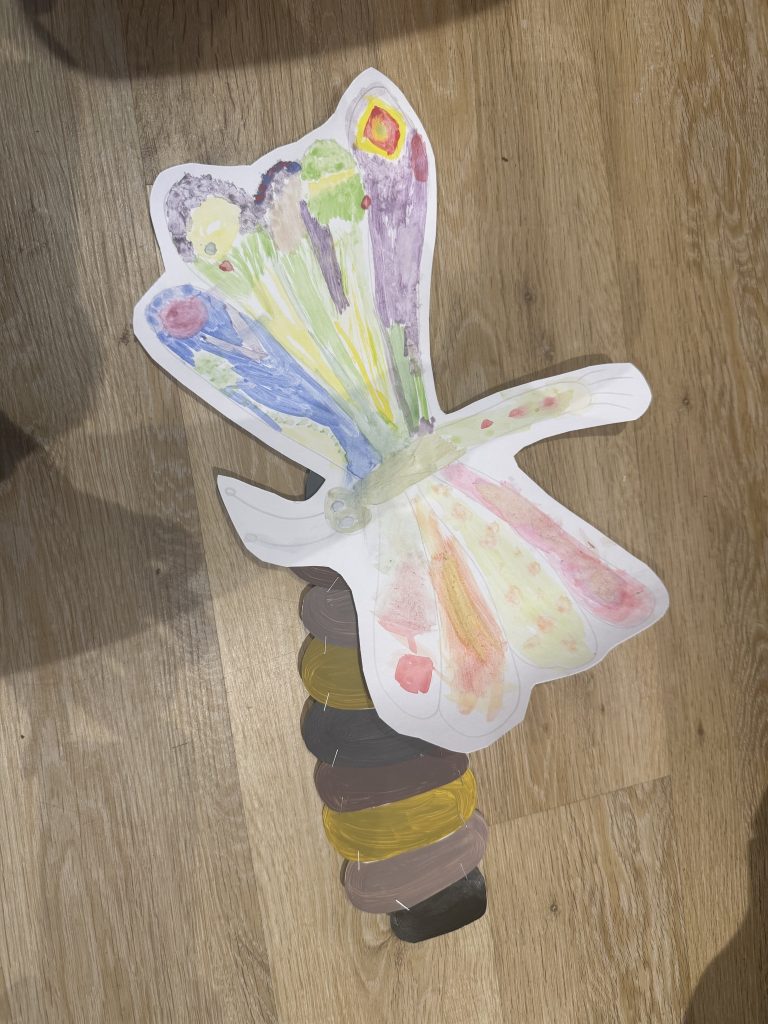
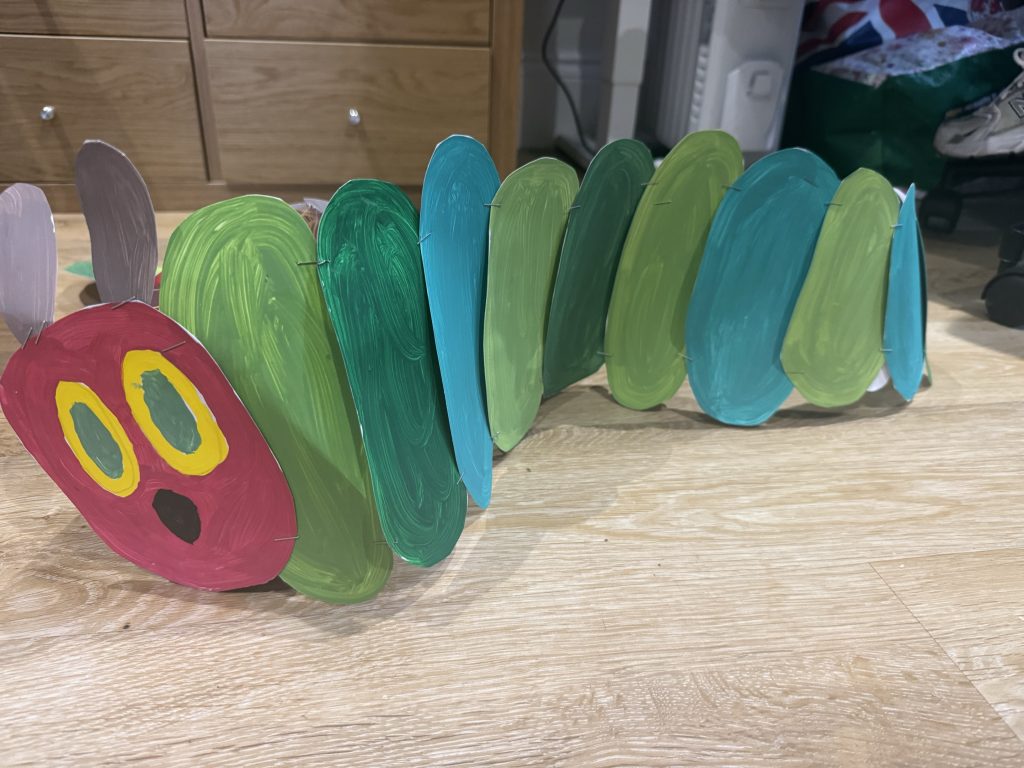
The environment itself reflected collective effort and creativity. Staff collaborated to design visual materials and artistic displays, while young people helped produce artwork used during the session. A hand-crafted caterpillar, a painted butterfly, and a calendar representing the days of the week transformed storytelling into something immersive and shared. Creativity became a vehicle for participation and belonging.
These moments of shared creation carry quiet psychological benefits. Collaborative activity builds trust, reduces isolation and strengthens self expression. When young people see their contributions valued, their sense of identity and self worth grows.
Why Shared Activities Matter
Planning activities around national and global observances is part of an intentional approach to engagement. Staff maintain a calendar of events that allows young people to feel connected to wider society while exploring new themes in meaningful ways. Yet the importance of these sessions extends beyond topical relevance.
In settings where individual living arrangements can sometimes encourage solitary routines, group activities provide vital opportunities for connection. They encourage interaction, laughter and shared learning. They also invite young people to try unfamiliar experiences without pressure, helping them develop coping strategies, curiosity and adaptability.
These qualities align closely with the goals of Children’s Mental Health Week, which emphasises emotional awareness, resilience and supportive relationships. Engagement through creativity and storytelling supports emotional literacy in ways that feel natural rather than instructional.
Throughout the week, activities were structured around themes that encouraged reflection and emotional development. Sessions focused on understanding feelings, recognising personal strengths, identifying emotions in others, and learning techniques to calm the body and regulate responses. Mindfulness, kindness and connection were also explored, culminating in reflective storytelling activities that allowed young people to process experiences in their own way.
By embedding these themes into daily engagement, the approach moves beyond awareness raising. It becomes lived practice. Young people are not only introduced to emotional wellbeing concepts but given practical tools and safe spaces to explore them.
What emerges from these initiatives is a philosophy grounded in empathy and participation. Activities are not treated as standalone diversions but as opportunities to strengthen relationships, encourage expression and nurture confidence. Whether painting props, tasting unfamiliar foods, discussing feelings or simply laughing together, each interaction contributes to an environment where young people can feel secure and valued.
National Storytelling Week illustrated the power of shared imagination. Children’s Mental Health Week has highlighted the importance of emotional understanding and support. Together, they demonstrated how creative engagement and wellbeing awareness are deeply interconnected.
Sometimes, supporting mental health begins with something simple. Sitting together. Listening to a story. Trying something new. Feeling heard. Feeling included. And discovering that growth often starts in those shared moments.
Congratulations to The Bridge’s Registered Manager, Nicole, Team Leader, Emily, the entire team and young persons there, for their successful activities that went beyond checking boxes to actually being intentionally impactful.