



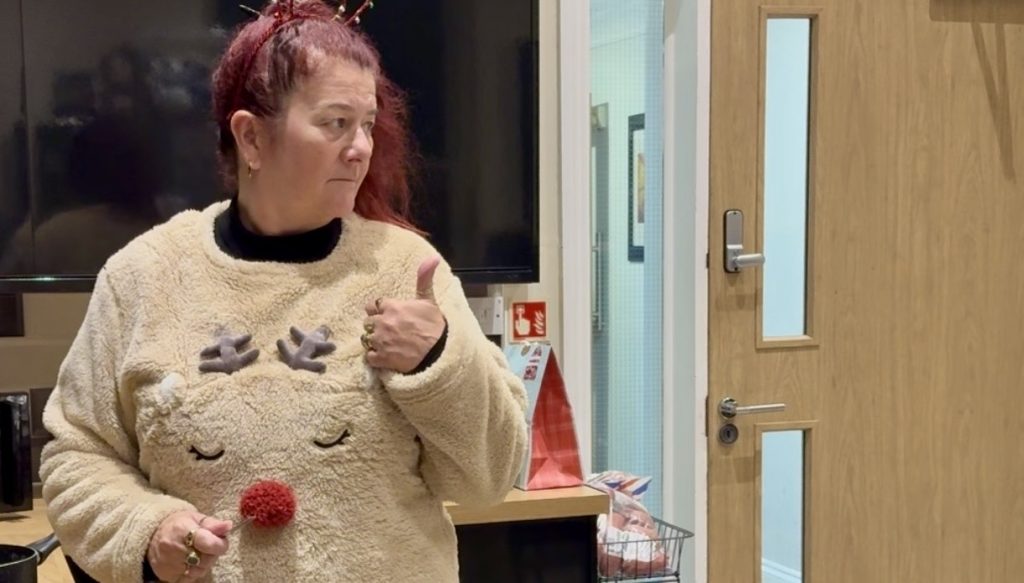
From Progress’ Nightingale House to Windsor Castle
On a winter morning, before the traffic thickened on the motorways and before the gates of Windsor Castle opened to welcome hundreds of guests, Caroline, a residential support worker with Progress’ Nightingale House in Derby was already having what she would later describe as “the best and worst day of my life.”
The worst part came first.
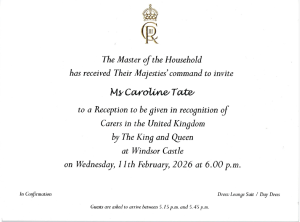
She had set out early for a royal reception honouring care workers. The invitation alone had been surprising. Weeks earlier, the Care Workers’ Charity had contacted her: the King and Queen wanted to host a special event recognising the contribution of carers across the country. Not everyone could attend, of course, but a handful had been selected.
Caroline was one of them.
“It wasn’t the charity that picked us,” she recalled. “It was the palace.”
For a care worker used to long shifts, medication charts, and the quiet rhythms of supporting people with complex disabilities, the idea of being invited to a royal reception felt surreal. But she got in the car anyway and began the journey south.
Then everything went wrong.
Somewhere between leaving home and pulling into Toddington services on the M1, she realised something was missing. Actually, several things were missing.
Her phone.
Her sat-nav.
Her bank card.
Her money.
Even her ID.
Everything was in the phone she had left behind.
“I had a little mini meltdown in the toilet,” she said, laughing now at the memory. But at the time the panic was real. Without navigation, without money, and without the identification required for entry into the castle, the trip suddenly felt impossible.
Still, she carried on.
She knew one thing at least: don’t turn left onto the M25 motorway toward Brighton and Gatwick. Instead, she aimed toward Heathrow. Stuck in traffic, she asked a van driver if she was heading the right way. He didn’t know.
Another passenger leaned forward and offered advice.
“Come off at Heathrow,” he told her. “Join the M4 motorway and follow the signs for Legoland Windsor. That’s near Windsor.”
And somehow, that worked.
She arrived thirsty, stressed, and still without money—but she arrived.
A room full of care
Inside the castle, the atmosphere felt worlds away from motorway panic.
The reception gathered care workers, advocates and public figures who had personal experience with caring for loved ones. Among the guests were politicians, including Prime Minister Keir Starmer, and well-known figures who had spent years supporting relatives through illness.
But the centre of attention was the King.
When King Charles III entered the reception room, Caroline noticed something unexpected.
“He’s smaller than he looks on television,” she said. “And a bit frailer.”
The monarch had been undergoing treatment for cancer, and the signs of illness were visible. His hair, once grey, had turned nearly white.
Yet when he spoke with guests, something else stood out.
“When he smiled and talked to you, he seemed genuine,” Caroline said. “He really seemed to care about what you were saying.”
The King attempted to greet nearly everyone in the room. When he reached Caroline’s group, he shook hands and thanked them collectively for their work.
For many in the room, that recognition mattered deeply.
Care workers often feel invisible. Their work—feeding, bathing, calming distress, celebrating tiny milestones—happens quietly behind closed doors.
But in that moment, inside the castle, the work was seen.
“What he did putting that reception on for us,” Caroline said, searching for the right word, “it was appreciative.”
A profession often overlooked
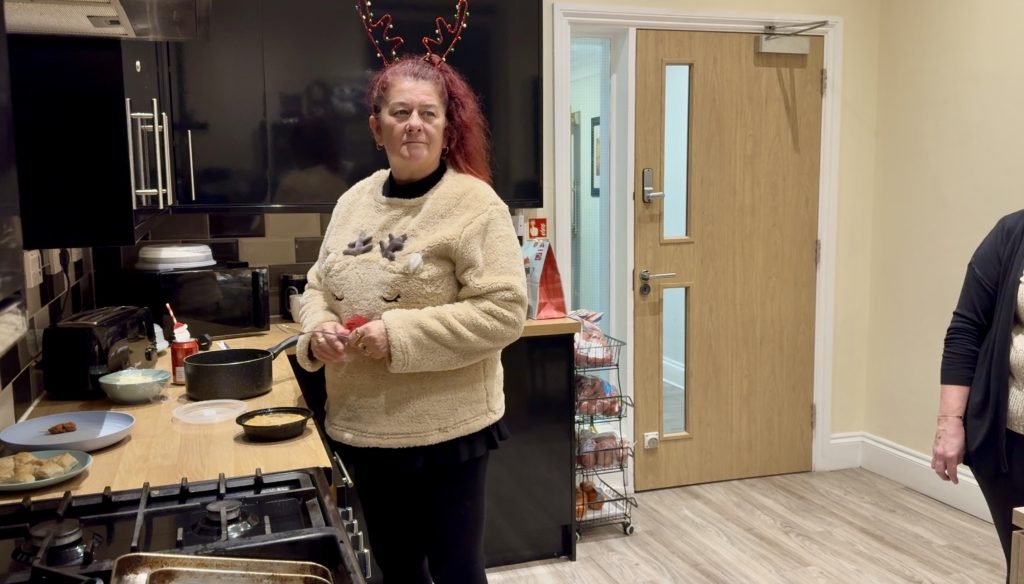
Caroline has worked in care for about a decade. Before that, she had done other jobs, but none had felt quite as meaningful.
“I wish I’d done it sooner,” she said.
Care work, she believes, attracts a particular kind of person.
“Anybody who applies for these jobs—they’re caring people anyway. Otherwise they’d be working somewhere else.”
Still, recognition doesn’t always match the demands of the job. Care workers across the UK frequently speak about low pay, staff shortages and limited public understanding of what their work entails.
“They say we’re untrained, low-wage workers,” she said. “But someone stacking shelves couldn’t walk into here and do this job. And yet we could go and stack shelves.”
The comment reflects a broader frustration across the sector: the complexity of care work often goes unseen.
At Nightingale House, Progress’ adult residential service in Derby where Caroline works, residents live with severe disabilities. Many are non-verbal. Progress can be slow and subtle.
But sometimes a moment arrives that changes everything.
One resident had always resisted physical contact. “He doesn’t like being touched,” Caroline explained. “If you try to hold his hand, he pushes you away.”
After months of working patiently with him—sitting nearby, talking, building trust—something shifted.
“One day he grabbed my hand and held it.”
For an outsider, that might sound like a small thing.
“For me,” she said, “that’s massive.”
Back at Windsor, the day’s difficulties were not over. Caroline still had no money. But care workers, she says, look after each other too.
Inside the reception she met another attendee, Georgia, who had heard about the motorway ordeal.
“She just shoved some money in my hands,” Caroline said. “She said, ‘Give it me back when you can. You might need fuel. You might need a drink.’”
The gesture was simple but powerful.
“This is just the kind of people we are.”
Finding a voice
Beyond the reception itself, Caroline has recently been involved in advocacy through Progress-backed The Care Workers’ Charity, helping amplify the voices of frontline staff.
The work has taken her into rooms she never imagined entering—from conferences to meetings with regulators such as the Care Quality Commission.
“For years the only time you heard from them was when they were visiting,” she said. “Panic, panic, panic.”
Now, she’s part of conversations shaping how care is delivered and regulated.
“It’s nice to have a voice,” she said. “I’m not really one for speaking in front of people, but it’s nice to know someone somewhere is listening.”
The advocacy has also highlighted another issue close to her heart: the treatment of international care workers. Many migrant carers arrive in the UK under strict visa conditions and face uncertain pathways to citizenship.
Some, she says, endure harsh working conditions.
“We’re lucky where we are at Progress,” she said. “But there are some real nightmare stories out there.”
The hope is that collective voices can help push for change.
Back to everyday care
By the time Caroline returned home, the royal reception had already begun to feel unreal.
At work the next day, colleagues teased her about curtsying etiquette and asked for stories from the palace.
But life quickly returned to its familiar rhythm.
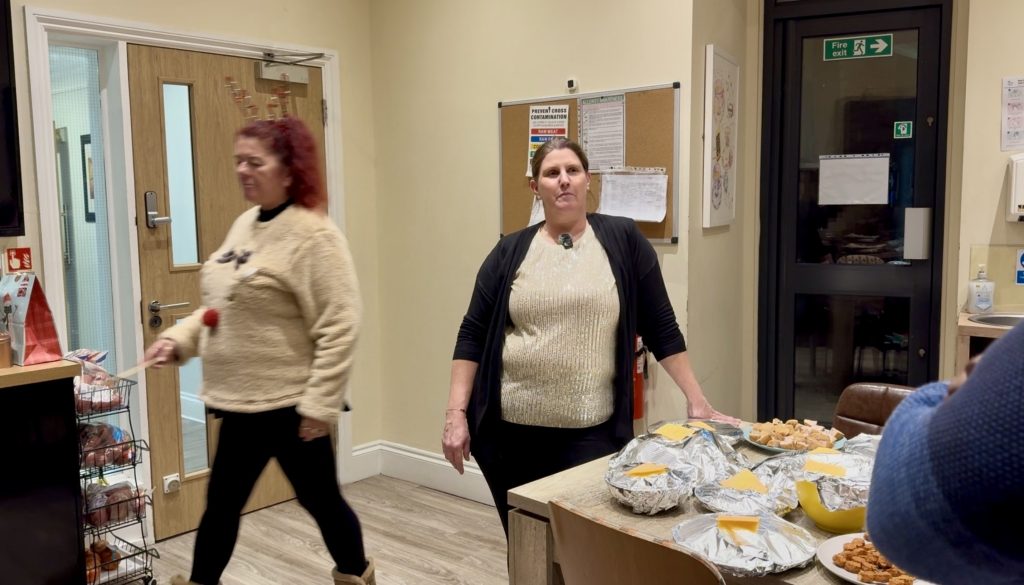
There were residents to support, hydrotherapy sessions to attend, baking activities in the kitchen, and daily routines that make up the heart of care work.
One resident laughs uncontrollably when he’s in the hydrotherapy pool. Another enjoys trips on the bus to nearby towns. These small moments—shared laughter, a held hand, a successful outing—form the real rewards of the job.
And that, Caroline says, is what people outside the sector often miss.
“We just take our caring personalities,” she said, “and do it as a job.”
The royal reception may have lasted only a few hours, but the recognition it represented carried weight. For one day, the quiet work of care stepped into the spotlight—right inside Windsor Castle.
And for Caroline, the memory will always include two things: the panic of navigating motorways without a phone, and the moment a king looked her in the eye and said thank you.
We have exciting career opportunities at Nightingale House in Derby and across Progress’ services across West Midlands. Check out our latest career opportunities: progresscare.co.uk/jobs