


Welcome to the Progress Knowledge Base where you will find a wide range of information and resources. Simply use the search bar below, or browse our categories to find helpful information and guides.
From Enquiry to Approval: The Fostering Journey with Progress
Understanding the Fostering Journey and the Approval Process
The fostering journey begins long before a child steps across a new threshold. It starts in the quiet corners of adult lives, in the questions people ask themselves when no one is listening, and in the moments when compassion pushes someone to wonder whether they could offer a child something different. Behind every approval sits a long, steady journey of discovery and preparation. It shapes the carers as much as it protects the children and sets the tone for the relationship they will build together. At Progress Fostering Service, this journey is designed to be supportive, thorough and deeply human from the very first conversation.
When the Fostering Journey First Begins
Fostering rarely begins with certainty. More often, it grows quietly in the background of someone’s life for months or years. It may start with a story shared by a friend who fosters, a film that stirs something emotional, or a passing comment from an adult child who sees a depth of kindness that the person themselves hasn’t named. Sometimes the idea comes from simply noticing the rising number of children in care and wondering if there is something more one could do.
These quiet thoughts matter because the need has never been greater. While children continue to enter the care system at increasing rates, the number of fostering households continues to fall. Behind every statistic is a child carrying uncertainty, loss and the need for a steady adult presence. When someone finally reaches out to Progress, they often speak about the sense of relief they feel in taking that first step, even if they do not yet know where the journey will lead.
At Progress, the first interaction is always gentle. Nobody is asked to commit on the spot, and nobody is expected to know everything. The beginning is simply a conversation. A phone call, a message or a moment of curiosity becomes an invitation to explore fostering without pressure. Many applicants say it is this initial kindness that gives them the confidence to continue.
The First Steps Toward Understanding
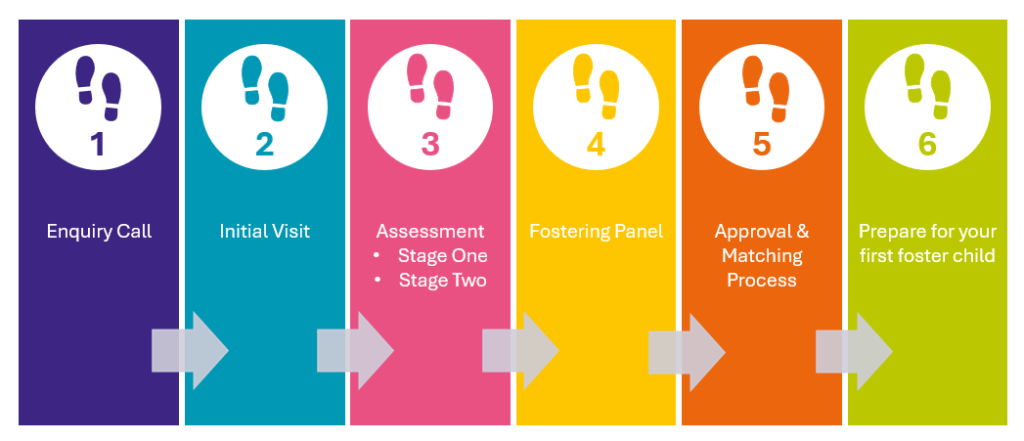
Once someone expresses interest, they are invited to have an enquiry call. The conversation is warm, open and reassuring. It provides a space for people to speak honestly about their motivations and hopes, as well as their worries. This call also helps everyone understand whether the early requirements are in place, such as having a spare room or being in the right stage of life to meet a child’s needs.
For many people, the enquiry call is the moment when fostering stops feeling like an abstract idea and becomes something tangible. Hearing the process explained aloud offers a clearer picture of what lies ahead. The conversation is designed to help people understand the journey without feeling overwhelmed. People often leave this call feeling lighter because their questions have finally been answered in a safe, understanding way.
If the call feels positive, an initial visit is arranged. This is when fostering begins to move from imagination into reality. Preparing to welcome someone into a home, even for an assessment visit, helps applicants envision what fostering might genuinely look like for their family. It becomes a turning point in the process.
Meeting Face to Face: The Initial Visit
The initial visit is the one of the most personal steps in the journey. A member of the Progress team visits the applicant’s home, takes a seat at their table or in their living room and begins a conversation that is thoughtful and unhurried. They ask about the applicant’s childhood, the experiences that shaped them and the emotional journey they have walked over the years. The goal is not to find perfection but to understand whether the applicant has reached a place of stability and self-awareness.
The conversation expands to the rhythm of everyday life. Work patterns, support networks, health, lifestyle and routines all become part of the picture. The applicant is encouraged to speak openly about their expectations and fears. Financial stability is also gently explored, not to scrutinise income but to ensure that fostering will not be relied upon as a sole source of financial security. This transparency sets realistic expectations and helps applicants prepare for the long-term nature of the role.
The home itself becomes part of the conversation. The visitor looks at the bedroom that may one day belong to a child, steps into the garden and observes the environment a young person might experience. Pets, hobbies and family dynamics all help shape a fuller understanding of the household. By the end of the visit, the assessor forms a grounded sense of whether the applicant is ready for Stage One, and a careful decision is made with the wider Progress leadership team.
Progress further on your Fostering Journey with the Assessment Stage
Stage One marks the beginning of the formal approval process. This stage involves checks, references and health assessments that form the groundwork of fostering suitability. For applicants, it is often the first milestone that feels official. It brings both excitement and a recognition of responsibility.
Stage Two takes applicants even deeper into reflection. This stage involves a series of meaningful conversations with an assessing social worker who works to build a complete understanding of the applicant’s life. Discussions cover childhood memories, personal challenges, relationships, strengths and moments of growth. People often describe this stage as unexpectedly emotional. It invites applicants to reflect on parts of their life they may not have revisited for years.
While this process can feel intense, it is carried out with care. The aim is always to ensure that children are placed in homes where adults have the emotional capacity to support them. Applicants are never left to navigate the process alone. They receive ongoing reassurance from the Progress team and have access to experienced foster carers who offer their insight and encouragement. By the time the Form F assessment is complete, many applicants feel more prepared and more deeply connected to their reasons for fostering.
Entering the World of Fostering: Panel, Matching and Transition
Panel day is a significant moment. Even the most confident applicants describe feeling nervous as they enter the room. Yet the tone of the panel is far more supportive than most expect. Members introduce themselves, explain their role and ask questions that help them understand the applicant’s strengths and readiness. Carers often leave the panel with a sense of pride and relief, knowing they have been seen and respected.
Once approved, matching begins. For some families, this happens quickly. For others, Progress spends additional time identifying the right child, ensuring the match supports long-term stability. Children’s histories, personalities, routines and school lives all play a part in finding the home where they will feel safest.
When a child is moving from a residential home, the transition is handled with exceptional care. The Progress team gathers insights about the child’s routines, fears and comfort measures. Introductions happen gradually. A short play session might grow into a tea visit, then an overnight stay. Small gestures, such as placing a photo of the child in their new home before they arrive, help the child imagine themselves as part of the household. These thoughtful steps gently guide them into their new chapter.
Living the Commitment: Support, Stability and Transformation
Once a child arrives, fostering begins in earnest. Progress remains firmly by the carer’s side. There is constant access to support, including twenty-four-hour on-call assistance, specialist therapeutic training and private healthcare offers. Carers are part of a community that comes together for events, celebrations and moments of connection. These gatherings remind foster carers that they are not alone.
Fostering is filled with moments that stay with people forever. Kirsty our Fostering Relationship Manager often speaks about carers who began with uncertainty but grew into their role with courage and heart. She recalls families who welcomed children with complex needs and, over time, helped them heal, grow and find a sense of belonging. These transformations are the reason the process is as thorough as it is. Stability and patience change lives in ways that cannot be measured.
At its core, fostering is not defined by perfection. It is defined by presence. It is the steady act of showing up, listening, guiding and loving even on the hardest days. It is the decision to believe in a child who may not yet believe in themselves. For every family approved through the Progress journey, fostering becomes more than an act of care. It becomes a way of living with intention, offering a child the safety, love and sense of self they deserve. It marks a beginning for both the child and the adults who choose to open their home and heart.