


A Reflection on 2025 from Our Founder and CEO

In this end-of-year reflection, Bal Dhanoa MBE, Founder and CEO of Progress, shares what 2025 taught us and how it has shaped the year ahead.

As I reflect on 2025, I do so with openness, pride and a deep sense of responsibility to the people who make Progress what it is.

It has been a complex year. At times, it felt frustrating. Some projects took longer than planned, others stalled and restarted, and there were moments where progress did not come easily. But it was also a year that reminded me why resilience matters, why clarity of purpose matters, and why the work we do must always be rooted in people rather than pace.

This year, we celebrated 25 years of Progress, a milestone that felt both humbling and energising. In June, we came together at The Box in Birmingham with staff, carers, partners and suppliers to mark that journey. Seeing so many people who have helped shape Progress over a quarter of a century was incredibly special. That evening was not only about looking back, but about recommitting ourselves to the values that brought us here and will carry us forward.

Alongside that celebration came recognition for the quality of our services. Achieving Outstanding outcomes at Stourbridge House and our fostering service reinforced what I already know to be true: that quality lives in the everyday work of committed teams who understand children, families and complexity. Across adult services, 2025 was a year of steady growth, successful transitions and meaningful outcomes. For some people we support, success meant greater independence. For others, it meant stability, reduced anxiety and a place that finally felt like home. What matters most to me is that success is defined by the individual, not by a checklist.

Behind these outcomes sits a great deal of unseen work. In 2025, we continued to strengthen our foundations, investing in quality assurance, clearer outcome measures, assistive technology and digital systems. Our services have continued to move towards being fully paper-free, improving oversight, consistency and accountability. These are the systems that allow people to do their jobs well, and to focus on care rather than administration.

What truly brought 2025 to life for me, however, were conversations of our teams. At a team meeting at Oak Cottage, staff shared what the year had meant to them. People spoke about joining Progress and finding job satisfaction for the first time in a long while. Others talked about returning after illness to a team that still felt like home. Several reflected on becoming key workers and feeling trusted with greater responsibility, while some shared personal milestones outside work that were only possible because they felt supported and valued in their roles.

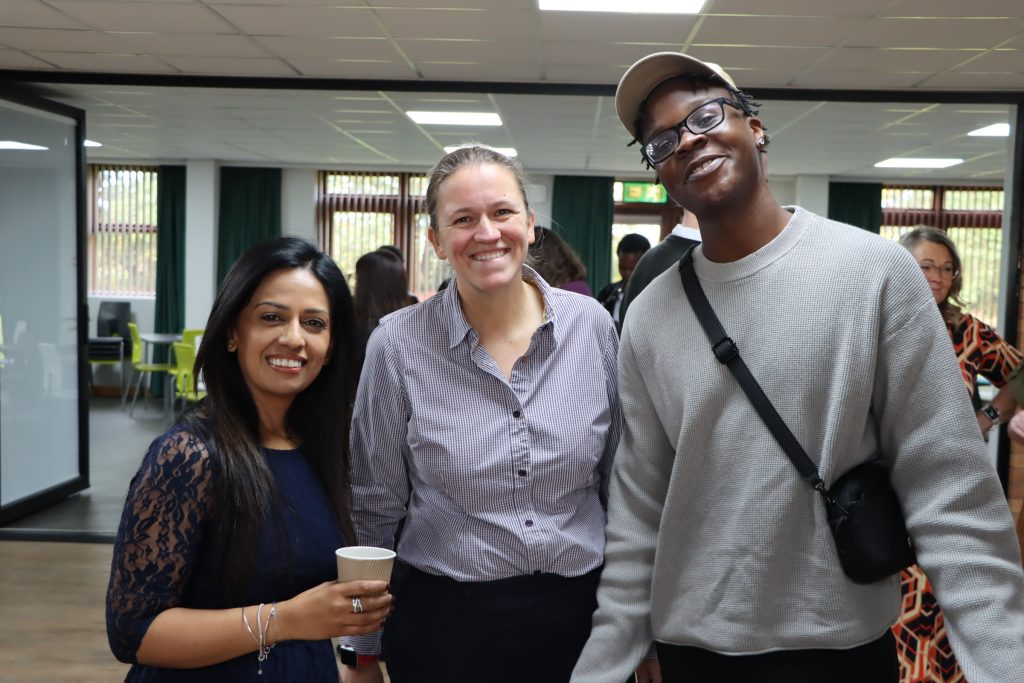
Bal with some Progress staff during 25th anniversary dinner event

There were honest reflections too. About children moving on after many years, the sadness that comes with goodbyes, and the pride of knowing a young person is ready for their next chapter. About losses experienced by The Smith team at The Hub, and the closely knit team at Nightingale House. Also, about disagreements, difficult days and moments of challenge. But what came through consistently was togetherness. A shared commitment to the children, to one another and to creating homes, not just services.

That sense of belonging reflects something I have always believed in. Progress was never about chasing profit for its own sake. It was about making a difference. About creating models of care that respond to real needs, whether through respite, fostering, emergency support, long-term care, supported living or preparation for adulthood. Over the years, we have built different services because families and young people need different things at different times. There is no one-size-fits-all solution, and 2025 reaffirmed the importance of that approach.

It also reaffirmed something else I hold dear: that Progress is built by people. I may set the vision, but the ambassadors of this organisation are our staff, our foster carers and our leaders. They are the ones who bring that vision to life, who challenge it, strengthen it and ensure it remains grounded in reality. Watching teams grow, individuals like LucyTadi and Megan step into leadership and services evolve has been one of the most rewarding parts of this year.

As we come to the end of 2025, my strongest feeling is gratitude. Thank you to our staff teams for your compassion, resilience and professionalism. Thank you to our foster carers and families for the trust you place in us. And thank you to the children, young people and adults we support, whose lives and aspirations give meaning to everything we do.

This year has tested us and prepared us. It has laid strong foundations for what comes next. As we look ahead to 2026, we do so with confidence, ambition and a clear sense of purpose, ready to keep innovating, growing and supporting people to live full, meaningful lives.

From all of us at Progress, thank you for being part of the journey.

2025: An Interesting Year, in the Best Sense

When Tadi joined Progress in April 2024, his induction photo captured a bright, easy smile. Months on, that same warmth still greets colleagues and families alike—but it is now paired with a growing confidence and a clear sense of purpose shaped by a year of change, learning, and steady progress.

By 2025, Tadi describes the year as “interesting”. Not rushed, not neatly packaged, but genuinely good. A year marked by movement and improvement, where small steps have added up to meaningful growth.

At Stourbridge House, that sense of momentum has been visible in everyday life. New children have arrived and moved on. The service has continued to evolve, including preparations for the opening of the second floor, bringing both fresh energy and new responsibilities. Through it all, the team has approached change with calm assurance—less something to brace for, more something to shape together. From the beginning of the year, a positive tone was set, carrying the service through busy weeks and new challenges, always with a focus on getting better, step by step.

That mindset was reflected clearly in this year’s Parents’ Day. Only the second Parents’ Day hosted by Stourbridge House, the team made a deliberate choice to centre the experience on parents themselves. Rather than focusing solely on updates or progress reports, the day created space for a more human question: how are parents really doing when their child is not with them, when respite ends, and everyday pressures return? It was a chance to listen with care, acknowledging the unspoken emotions staff often notice even when parents do not voice them directly.


For Tadi personally, 2025 has also brought significant milestones. One of the most meaningful has been stepping into his role as a Team Leader. It is a role he speaks about with pride, but also with the understanding that it represents a beginning rather than an endpoint—a chance to grow into greater responsibility.

As a team, another defining moment came with achieving an Outstanding rating from Ofsted. The recognition helped set the tone for the year ahead. It reinforced what was possible and encouraged bigger ambitions, not by diminishing the importance of day-to-day care, but by raising expectations of excellence across the service.

What stands out most in Tadi’s reflections is how he describes his own development. Growth, for him, is not a buzzword but a real shift in perspective—learning to see situations through other people’s eyes, building confidence in communicating with individuals from different backgrounds, and approaching conversations with greater care and understanding. The difference between the person who arrived at induction and the person he is now feels tangible, shaped by responsibility, trust, and teamwork.

Looking ahead, Tadi is open about his aspirations. Management is a possible next step, alongside ideas he hopes to develop within Progress and beyond it, always rooted in the care sector and driven by the desire to help people live better lives. He speaks about the future with steady optimism: focused on growth, ready for challenge, and excited by what comes next.

The smile from that first induction photo is still there. Now it sits alongside deeper confidence, clearer purpose, and the quiet maturity that comes from taking responsibility seriously. If 2025 has been interesting in the best sense, it is because it has been full—of change, learning, shared effort, and the belief that no one has to do it alone. It is this collective commitment that continues to help Stourbridge House feel not just like a service, but like a community.

Know someone who could thrive at Progress, just like Tadi?
Encourage them to get in touch with Andrea and Progress’ friendly, responsive recruitment team today. Send updated CV to recruitment@progresscare.co.uk today

Great people are always welcome.

A Year of Care, Commitment and Community

In many ways, 2025 at Progress Fostering Service has been defined by the quiet, consistent work of care. Not the kind that announces itself loudly, but the kind that shows up every day. In living rooms and kitchens, at school gates, in meetings that stretch long into the afternoon, and in moments that matter deeply to children and young people who need stability, patience and belief.

Across the year, fostering at Progress has continued to be rooted in relationships. The sort that grow slowly, built on trust, listening and reassurance. During Foster Care Fortnight, this idea took centre stage as carers, staff and supporters reflected on the power of connection. What emerged was not a single story, but many. Stories of children beginning to settle, of carers learning alongside young people, and of teams working together to make homes feel safe and supportive.

This year also marked a significant milestone in the organisation’s journey, with Progress celebrating 25 years of care. The anniversary was not simply about looking back, but about recognising the people who make fostering what it is today. Foster carers who open their homes. Social workers who walk alongside families through challenges and change. Support staff whose work often happens behind the scenes but is felt every day. It was a moment to reflect on how far the organisation has come, and how much care continues to shape its future.

Throughout 2025, Progress has remained focused on growing and strengthening its fostering community. Information events, conversations online and open discussions about what fostering really involves have helped invite new voices into the space. These were not glossy recruitment drives, but honest conversations. They acknowledged the challenges, the learning curve, and the realities of caring for children who may have experienced loss or instability. At the same time, they highlighted the rewards. The moments of progress, laughter, resilience and shared achievement that carers speak about with quiet pride.

Celebration has also been a key thread running through the year. Progress has made space to recognise both staff and young people, understanding that encouragement and recognition matter. From internal awards celebrating mentorship and dedication, to young people being recognised in their wider communities, these moments reflected something deeper. They showed what can happen when children are supported by adults who believe in them and services that invest in their potential.

Within fostering and residential services alike, storytelling has played an important role in 2025. Features shared across Progress website and social channels have given voice to lived experiences. They have explored themes such as keeping siblings together, the importance of teamwork, and the everyday realities of care. These stories have not been about perfection, but about progress. They have shown the complexity of care work, and the humanity at its centre.

All of this has taken place against a wider backdrop of national challenges in fostering. Across the UK, services continue to face pressures around recruitment, retention and support. In that context, Progress has focused on what it can control. Investing in carers, listening to staff, and keeping children’s needs at the heart of decision-making. The result has been a year that feels grounded and purposeful, even in uncertain times.

As 2025 draws to a close, what stands out most is not a single campaign or event, but a collective sense of care. A feeling that fostering at Progress is shaped by people who are committed to doing the work thoughtfully and with compassion. It is a year that reflects growth, reflection and community, and one that sets a steady foundation for what comes next.

Looking ahead, the message from 2025 is a hopeful one. When relationships are valued, when carers are supported, and when children are given the time and space to be themselves, meaningful change becomes possible. That has been the story of fostering at Progress this year, and it is a story still being written.

A Year of Gratitude at Oak Cottage

It started with one question and a room full of honest answers.

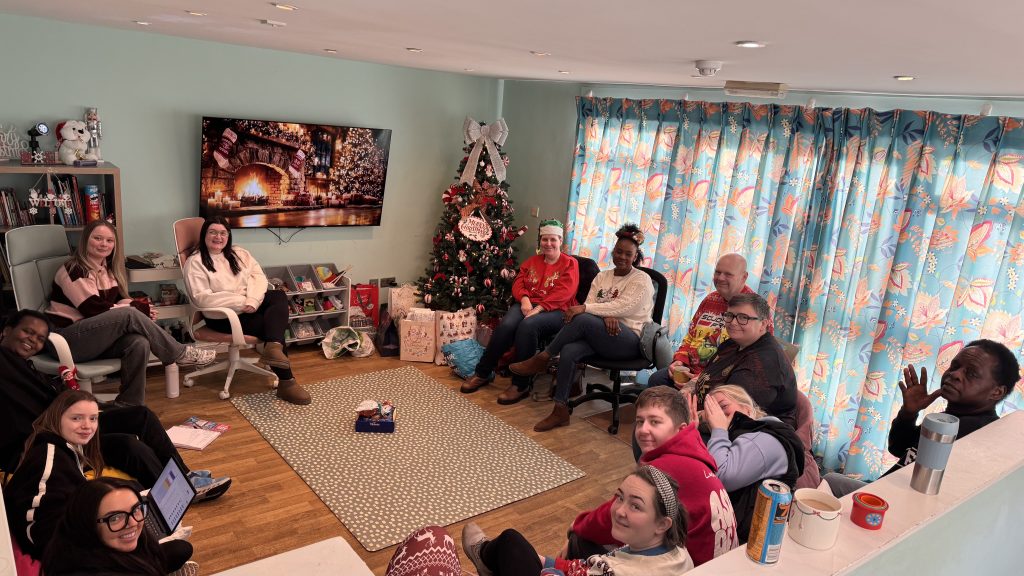
Last Friday, the team meeting at Oak Cottage unfolded a little differently. Amid the hum of a busy children’s home and the soft glow of Christmas decorations, the team paused. Chairs were pulled closer in a circle, voices softened, and I asked one simple question: What is one thing you are grateful for this year?

Oak Cottage, a crucial part of Progress Children’s Services, is a place defined by pace and responsibility. Reflection is rarely built into the rhythm of the day. Yet, as each person spoke, it became clear that gratitude had been quietly accumulating all year, waiting for space to be heard.

For some, gratitude began with a decision to start again. One team member, only a few weeks into the role, spoke about leaving a previous job and stepping into Oak Cottage. “Leaving my old job and starting here was positive for me,” they said. “Everybody’s been really friendly. People explain things. You don’t feel left on your own.” It was a small sentence, but it carried the relief of being welcomed into a team that takes time to include.

Others reflected on return rather than arrival. After months away due to illness, one colleague described coming back to work and finding comfort in familiarity. Despite changes and developments, the heart of the home remained steady. “I came back to the same friendly team,” they said. “You could see how things had grown, how people were still pushing forward.”

Several reflections wove together personal milestones and collective strength. One colleague spoke proudly about buying their own house this year, a goal made possible through stability and perseverance. But the pride quickly widened beyond the individual. “This year feels different,” they added. “People have bonded more. There’s more love, more helping each other. Even team meetings feel calmer.”

Professional growth featured heavily. Becoming a key worker was described as a moment of trust as much as responsibility. “It’s a lot of responsibility,” one staff member said, “but it makes me really happy to be trusted. It gives the job more meaning.” Others spoke about watching young people grow in confidence, discovering their quirks, and finding joy in moments that might look ordinary from the outside but mean everything to the child experiencing them.

Longer-serving staff offered perspective shaped by years in the sector. One colleague, with over a decade at Progress, reflected on what keeps them there. “I enjoy working with children,” they said. “Seeing their faces smile. Knowing you’ve made them feel safe or comfortable. Every day is different. You try things, you learn what works. That’s what keeps me here.”

There was honesty too. One team member spoke openly about a turbulent period that almost led them away from the home. They did leave briefly, trying work elsewhere, but soon realised what they missed. “It was lovely, but boring,” they admitted. “I kept talking about Oak Cottage. I realised this is where I wanted to be.” Returning brought clarity, not just about the work, but about where they felt most themselves.

Family, health and wellbeing quietly threaded through many voices. One colleague spoke about their child recovering from illness and the gratitude that brought. Another reflected on learning to rest, to step back from working constantly. “I’m not working 24/7 anymore,” they said. “I have rest days. I do things outside work now, and it makes me calmer when I come in.” Gratitude, here, was about balance and being supported to sustain care, not just deliver it.

As the reflections drew on, a wider sense of pride emerged. The team acknowledged a significant milestone: six months without any recommendations following regulatory visits. It was not framed as a tick-box success, but as proof of stability, teamwork and consistency built over time.

The meeting closed with leadership reflections that gently tied everything together. Megan, the team leader, spoke about a year that challenged her both inside and outside of work. Becoming a team leader was a milestone, but what mattered more was staying resilient, present and positive through difficulty. It had not been an easy year, she said, but she was proud of her journey and proud to still be standing with her team. “I’m still here, and I’m still going,” she said, a line that resonated across the room.

Beth, the manager, reflected on the strength of the team itself. She spoke proudly about rebuilding stability, welcoming colleagues back, and creating a home that felt settled for both staff and children. The six months without recommendations stood out as a moment of collective achievement, but her focus remained firmly on the future. Her hope was for continuity, smooth transitions for the young people, and a team that continues to thrive together.

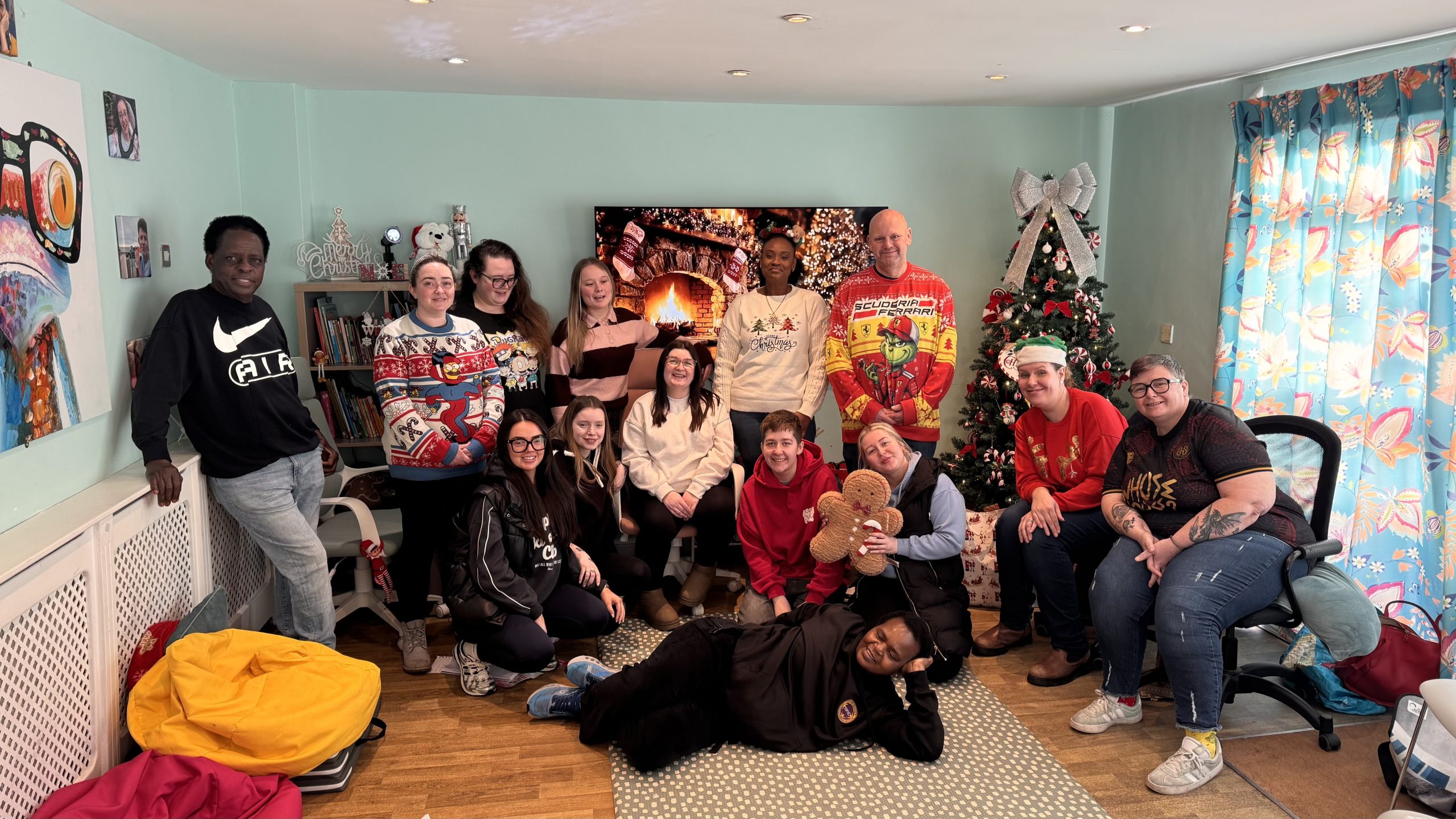
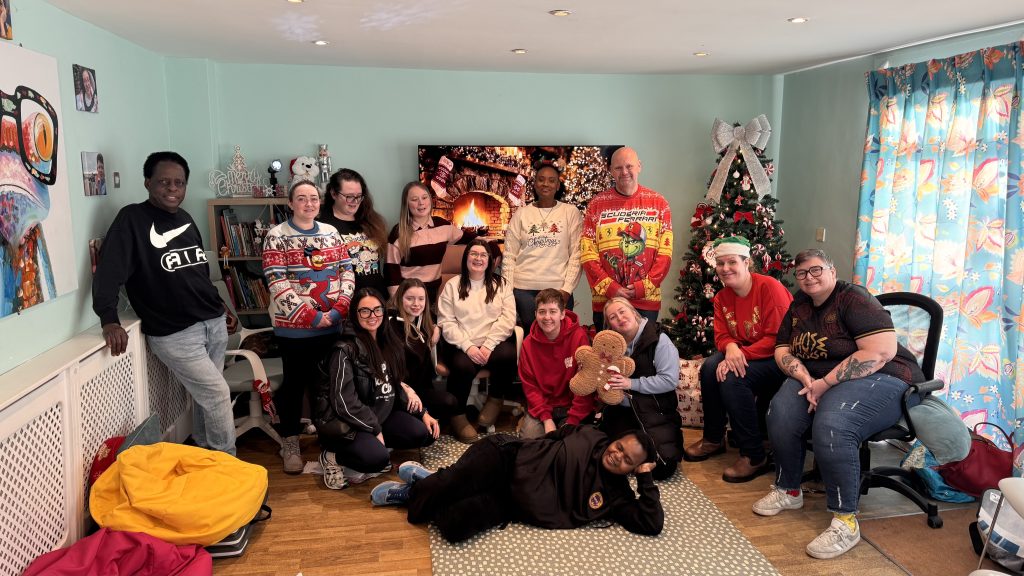
As the reflection session of the meeting ended, there were jokes; they also posed for a group photo by the Christmas tree. But something lingered.

What emerged from that hour was not a list of successes, but a shared understanding of why Oak Cottage matters. It is a place where people arrive uncertain and find confidence, where disagreements happen but are followed by coming back together, and where care is given freely, often instinctively, because it feels like the right thing to do.

As one team member put it simply, “This isn’t just work. It’s like home.”

How Spring Meadow Is Planning to Celebrate Christmas

Christmas at Spring Meadow is about the limitless possibilities.

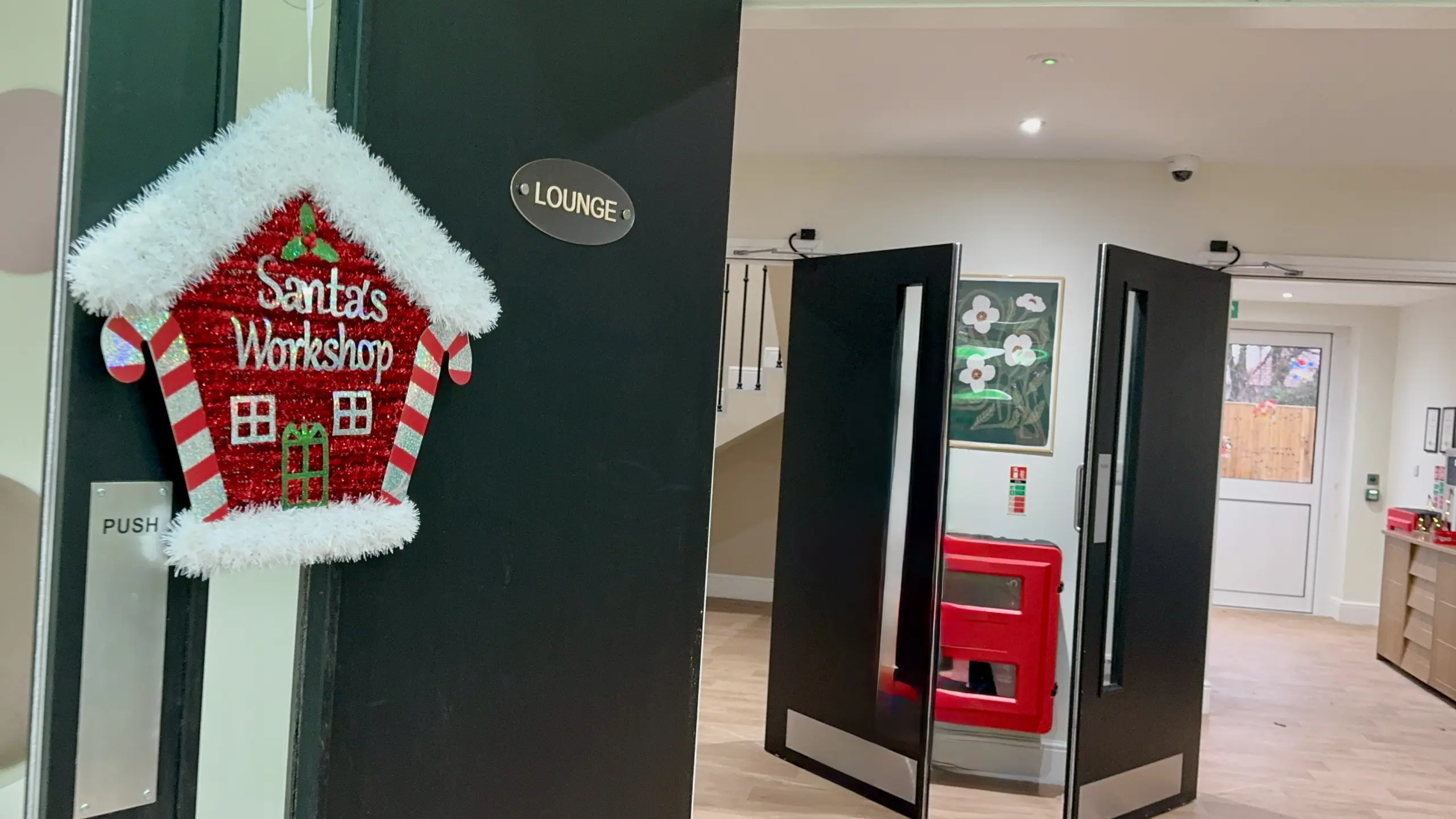
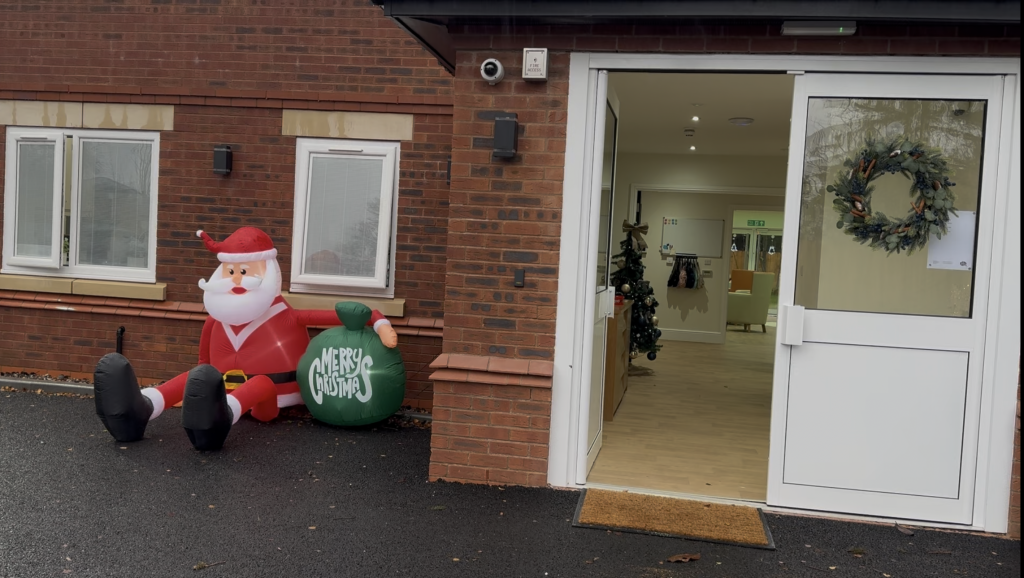
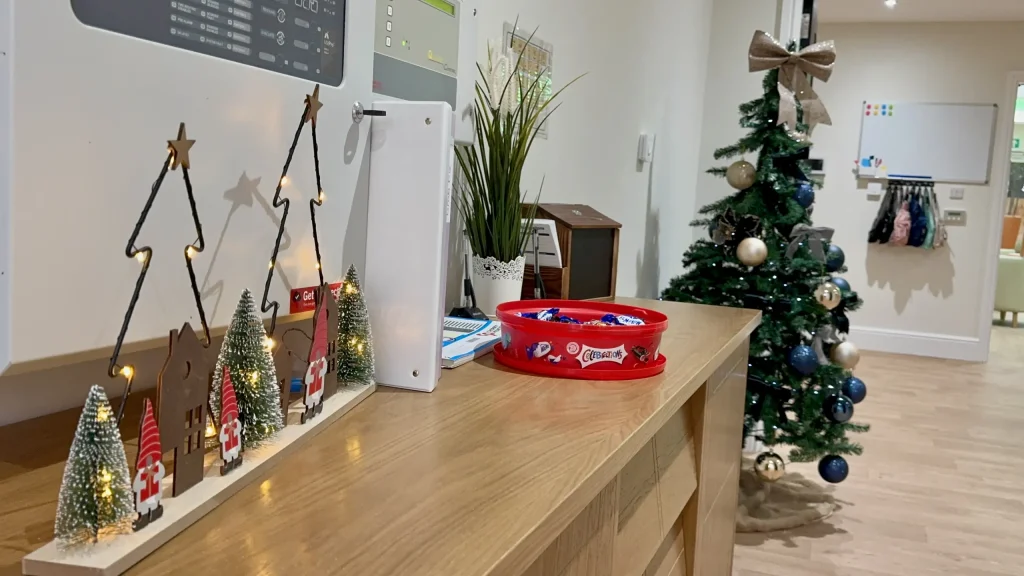
Christmas at Spring Meadow is still taking shape. It lives, for now, in conversations, careful planning, and the first decorations placed with intention. On the day the service officially opened its doors for visitors, I interviewed the team leaders Chloe, Caitlin, and Mary, alongside Dawn, Deputy Manager, and Amanda, Registered Manager. It became clear that the Christmas festive season has become a way of explaining not just how the service will celebrate, but how it hopes to care.

From the outset, the very obvious difference is space. Speaking about what sets Spring Meadow apart, Chloe, Team Leader, returns to this repeatedly. “The very obvious one is the space,” she says. “It’s nice to have more space for everybody to break out, staff to break out, young people, everyone’s got space.”

That physical openness, Caitlin, also a Team Leader, explains, changes what is possible day to day. “We’ve got a bigger space… more capacity for young people, and more facilities to support young adults with different disabilities and needs.”

At their current service, Christmas required caution. Chloe describes how celebration has had to fit around practical constraints. “We do decorate. We do have a tree,” she says, “but we’re quite limited in terms of where we can put it, so that it can stay in one place and stay in one piece.”

Spring Meadow changes that entirely. “Here, you could do the front garden, the back garden,” Chloe adds. “There’s so much more space to decorate and make it more festive.”

Looking ahead, Caitlin talks about how the team imagines future Christmases once the service is fully up and running. “When we spoke about what we’re going to do next year,” she says, “it’s decorating the whole service, the bedrooms, outside, even doing our own little Grotto… making it more of an experience for the young people, not just having decorations.”

For Mary, Team Leader, the new environment also creates opportunities to bring people together. “We’ve talked about doing events and having other services come to us,” she explains. “We have the space to do that now, like Christmas parties.”

At a leadership level, the focus is firmly on involvement rather than display. Amanda, Registered Manager, emphasises that Christmas should be something young people actively shape. “They’ll be more involved because of the space,” she says. “There’ll be something for everybody, not just a Christmas tree.”

That participation links closely to independence and wellbeing. Gardening becomes a recurring theme, even in festive reflections. Chloe describes plans for the outdoor space in detail. “The young people can grow their own fruit and veg, plant them, watch them grow, bring them in, cut them,” she explains. “They can see that process of healthy eating.”

Dawn, Deputy Manager, builds on this, linking everyday skills to longer-term outcomes. “Being able to grow your own vegetables, your own fruit, then come and cook it yourselves,” she says, “it’s all about promoting their wellbeing and independence.”

Christmas at Spring Meadow is also imagined as inclusive and culturally responsive. Amanda speaks about moving beyond a single-festival mindset. “We’re going to be devising a celebration calendar,” she explains. “Celebrating different festivals, doing food, decorations, whatever else we need to do to help them feel at ease and help them feel at home.”

She also highlights the importance of working closely with families. “Somebody from a different background can show how they celebrate,” Amanda says. “And if young people are non-verbal, we can get that information from families and bring those celebrations into the home as well.”

There is an emotional undertone to how Christmas is discussed, shaped by a long wait for the building to be ready. Both managers describe the atmosphere of Spring Meadow in warm, almost seasonal language. Dawn notes, “It feels very homely; it has that sense of family.” Amanda adds, “It’s holistic, it’s tranquil, it’s calming, it’s beautiful.”

When asked to sum up the service in a single word, Amanda, Registered Manager, says “magical,” before adding that it is ultimately about “making a difference.”

Dawn, Deputy Manager, follows with a line that captures the spirit of the season perfectly: “I would say it’s Christmas.”

For a team that has grown together within Progress, this moment matters. The reflections of Chloe, Caitlin, and Mary on a year of transitions sit alongside leadership’s vision for what comes next.

There is realism, too. Dawn acknowledges the scale of change ahead. “It will be overwhelming at first for the staff,” she says. “But once we put that at ease, I think they’ll blossom.”

Christmas at Spring Meadow is still unfolding. But through the voices of its team leaders, deputy manager and registered manager, it already feels like something more than a season — a statement of what this new home is meant to be.

A Season of Giving at Progress

As the festive season approaches, Progress is celebrating a Christmas marked by generosity, togetherness and community spirit across its services and teams.

Throughout December, colleagues across the organisation have come together in meaningful ways, from festive activities at Head Office to individual team gatherings within services. A recent Christmas Jumper Day at Head Office brought moments of connection and light-hearted celebration, reflecting the warm culture that runs through the organisation.

Christmas Jumpers Day at Head Office

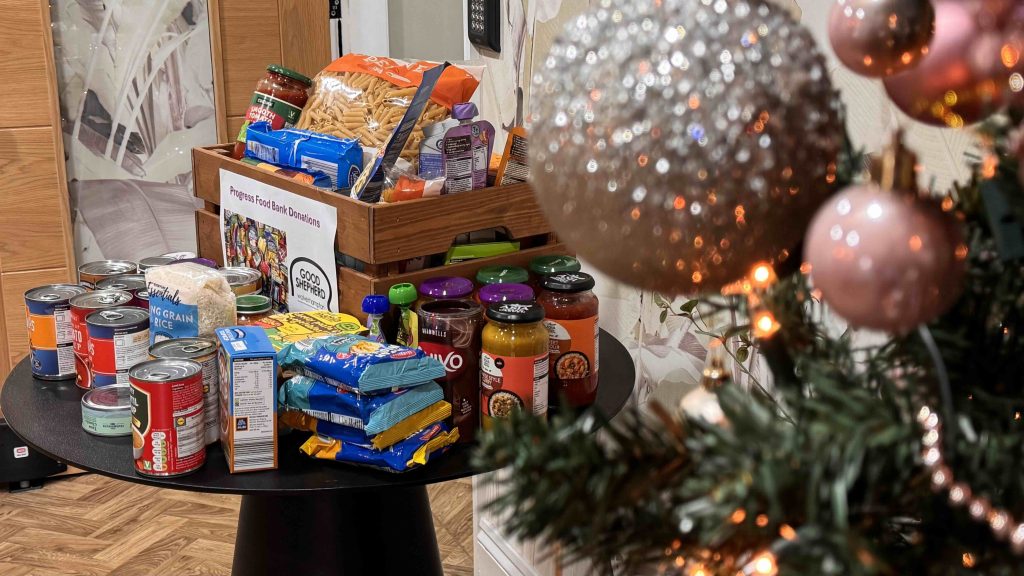
The spirit of giving has been especially evident this year. When Progress invited team members to support a Christmas gift initiative for children, the response exceeded expectations, with more colleagues volunteering to provide gifts than the number of requests received. In parallel, the organisation’s food bank donation box has filled rapidly, now overflowing with contributions from staff keen to support families and individuals in need during the festive period. Progress’ food donations are for Good Shepherd Wolverhampton.

Across Progress services, teams will also mark the season through gatherings, shared meals and moments of reflection. These celebrations provide opportunities to recognise hard work, strengthen relationships and take time to reconnect after a busy year supporting children, young people and adults.

Progress Christmas food bank donations for Good Shepherd Wolverhampton

Excitement is also building ahead of the Progress Christmas Party. The event will bring together foster carers, residential staff, children and young people for a shared celebration. Planned activities include games, festive entertainment, a visit from Santa and age-appropriate gifts, ensuring an inclusive and enjoyable experience for everyone attending. Dedicated support will be in place throughout the event to ensure all guests feel welcomed and supported.

Progress is also inviting team members to share their festive moments. Colleagues are encouraged to submit photos and short reflections from their team celebrations, as well as messages about what they are most grateful for this Christmas. These stories will help showcase the people and values that define Progress.

Reflecting on the season, the organisation extends its thanks to everyone who has donated, volunteered, helped plan events or contributed in their own way. Together, these acts of kindness highlight Progress’ commitment to care, community and compassion, not just at Christmas, but throughout the year.

Understanding the Many Paths to Fostering

Prior to our latest Fostering Live with Progress session, an attendee might have expected a simple conversation about fostering. What happened instead was the start of a bigger realisation: fostering is not one fixed route. It is a whole landscape of possibilities shaped around the very different children who need families. 

Many people thought fostering meant only one thing — a child moving in full time, for an indefinite period, into a home that already has space and availability. But as Michelle and Kirsty explained during the session, fostering offers far more flexibility, and many more pathways, than most people realise. 

And once that becomes clear, prospective foster carers can begin to see where they might fit too. 

Demand for foster families continues to rise across the UK, but what children need is not just more homes, they need the right homes. A child who needs one-to-one attention requires a different kind of placement from a sibling group. A teenager navigating trauma needs something different again. A parent and baby rebuilding their bond need something else entirely. 

The purpose of the event was not simply to list the types of fostering. It was to show why those types exist, and why each one plays a vital role in making sure children are matched with the kind of environment that helps them thrive. 

Below is a deeper look at those fostering paths, shaped by the insights shared during the session and enriched by what we know from social care practice across the UK. 

Solo placements: when one child needs the whole home 

The session highlighted that people were surprised that some children must be the only young person in a foster home. Solo placements are not restrictive, they are protective. 

Children who have experienced significant trauma, or who struggle to regulate emotions, often need uninterrupted focus from their carer. Some have come from large sibling groups where they never received individual attention; solo fostering becomes their first chance to be truly seen. 

It is intense but incredibly rewarding. Many carers say they witness the most dramatic emotional growth in solo placements because the child finally has the space to breathe. 

Specialist fostering and the step from residential into family life 

One of the strongest themes of the session was the urgent need for carers who can support children with additional needs. This includes learning disabilities, autism, complex behaviours or sensory needs. 

Progress, with its unparalleled experience in specialist residential care, offers highly tailored training which is something many do not realise existed. This is important, because a growing number of children are entering residential homes simply because there is not enough specialist foster carers. Some of these children are as young as five. 

This is where step-across fostering becomes life-changing: rebuilding a child’s sense of belonging by helping them transition slowly and safely out of a residential setting and into a nurturing family home. It is planned, paced and supported every step of the way, often involving joint visits, familiarisation time and wraparound therapeutic support. 

Short breaks and respite: fostering that flexes around real life 

Many people at the event said they had assumed fostering always meant full-time care. This misconception is common, and it prevents great potential carers from stepping forward. 

Short breaks and respite fostering give families and long-term carers breathing space. For children with additional needs, consistent overnight stays with a trusted carer can make a world of difference.  

For new carers, it is a gentle, flexible way to begin fostering while balancing work or family life.  

Short breaks carers become a steady presence in a child’s life, often seeing them month after month, year after year. Stability can be built in many ways, not just through full-time care. 

Parent and child fostering: a lifeline many never knew existed 

One of the most eye-opening parts of the event was the discussion around parent and child fostering. Many attendees admitted they had never heard of it. 

Parent and child placements welcome both a parent and their baby into the foster home. The aim is to help parents learn and develop the skills they need to care safely. Sometimes the placement is supportive. Sometimes it is part of a court assessment. In both cases, carers play a crucial role in helping families stay together whenever possible. 

This specialism is emotionally demanding but incredibly meaningful. For many babies, it prevents separation. For many parents, it is their first real chance to succeed. 

Long term, short term and the rhythm of everyday stability 

The event also unpacked the difference between long-term and short-term fostering. Long-term placements give a child a home until adulthood. Short-term placements support them while the future is still being planned. 

Both require patience, openness and consistency. Both involve the everyday work of building stability — the school runs, the bedtime routines, the quiet car chats, the hard days and the heartwarming moments. 

Children do not remember the label of their placement. They remember the warmth of the home. 

Siblings: why extra bedrooms change lives 

One of the most heartfelt sections of the session focused on sibling groups. There is a nationwide shortage of families who have enough space to keep siblings together, and it is one of the greatest unmet needs in fostering today. 

Michelle and Kirsty spoke about the joy of recent sibling reunifications within Progress. When brothers and sisters come back together, everything softens. Their sleep improves. Their behaviours settle. Their anxiety lifts. Their identity feels intact again. They also explained why sibling placements are such a priority for fostering services right now. 

Teenagers: the most misunderstood group in care 

Teenagers often face the most barriers when it comes to finding foster families. At the event, viewers shared their fears about fostering teens and then heard the reality. 

Teenagers are not “problems”. They are young people navigating adolescence, trauma and identity all at once. They need patience, predictable boundaries, humour and adults who will not give up on them. 

Progress offers strong therapeutic support to help carers build these relationships, and the session helped demystify what caring for a teenager truly looks like. Many attendees left feeling far more open to it than when they arrived. 

Unaccompanied asylum-seeking children: offering safety and belonging 

Another topic that resonated deeply was the rise in unaccompanied asylum-seeking children needing homes. These young people have often endured dangerous journeys and significant loss. They need stability, cultural sensitivity and emotional grounding. 

For carers, offering a home to an asylum-seeking child is both challenging and profoundly moving. At the event, people spoke about wanting to provide the kind of welcome every child deserves. 

Why conversations like this matter 

The purpose of Fostering Live with Progress is simple: to educate, to demystify and to help people see where fostering might fit into their lives. 

Not everyone will be drawn to every type of fostering. But almost everyone who attended the session realised there is some path that could suit their strengths, lifestyle or experience. 

That is the power of understanding the options. 

Our next face-to-face information event is on Saturday, 17 January, at Progress’ head office. For anyone inspired by the online session, or simply curious, it is a space to ask questions, explore the different fostering paths and imagine what role you might play in a child’s life next year. 

There are no pressure and no commitment. Just conversation, clarity and a warm welcome. 

Because fostering begins long before a child moves in. It begins with understanding who they are and discovering which type of care might be the right fit for you.