Progress’ The Bridge Marks National British Sign Language Day

The team at The Bridge marked National British Sign Language (BSL) Day in a simple but powerful way — celebrating inclusion, communication, and the importance of being understood. The Bridge is one of the services under Progress Children’s Services.

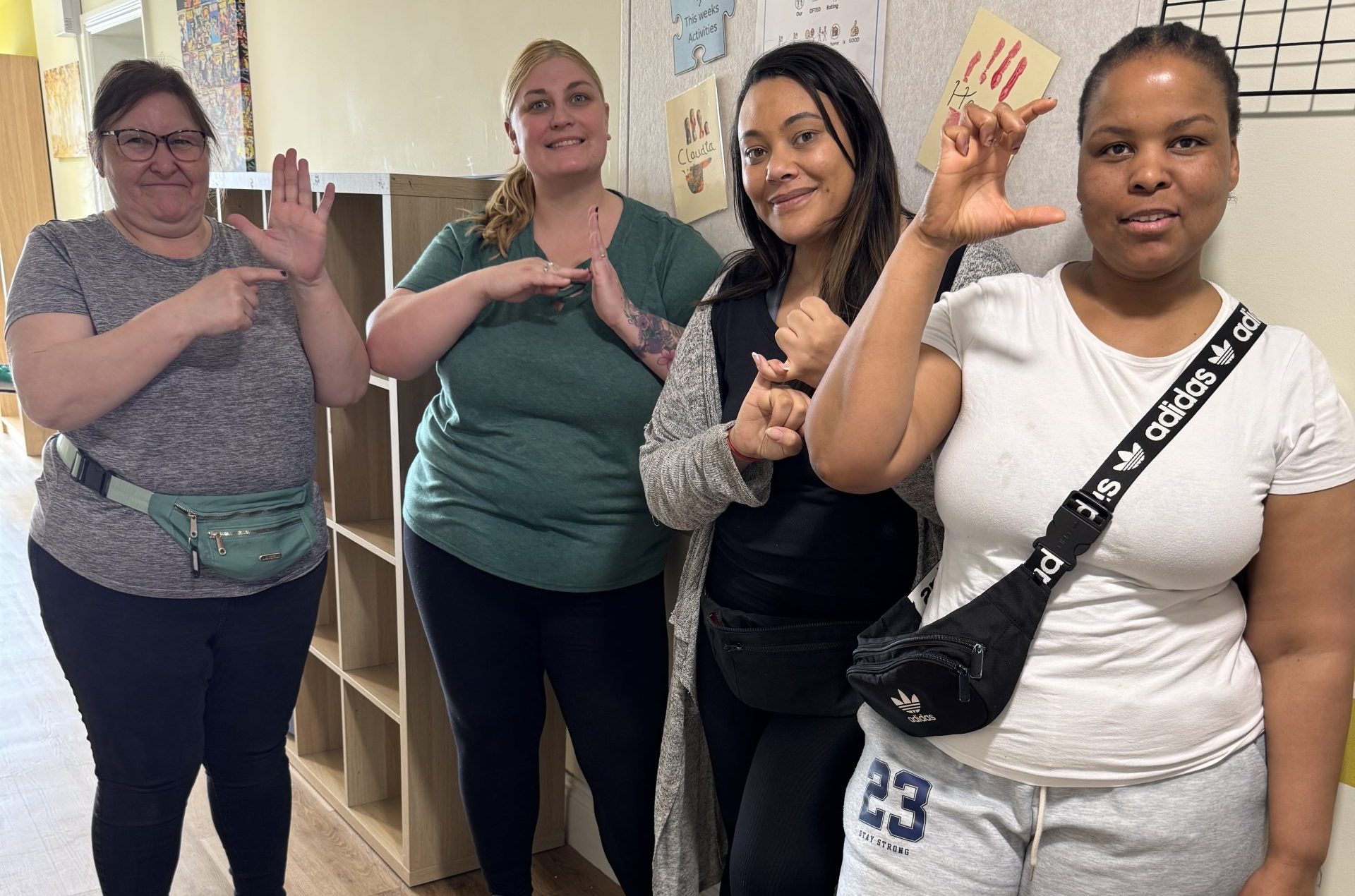
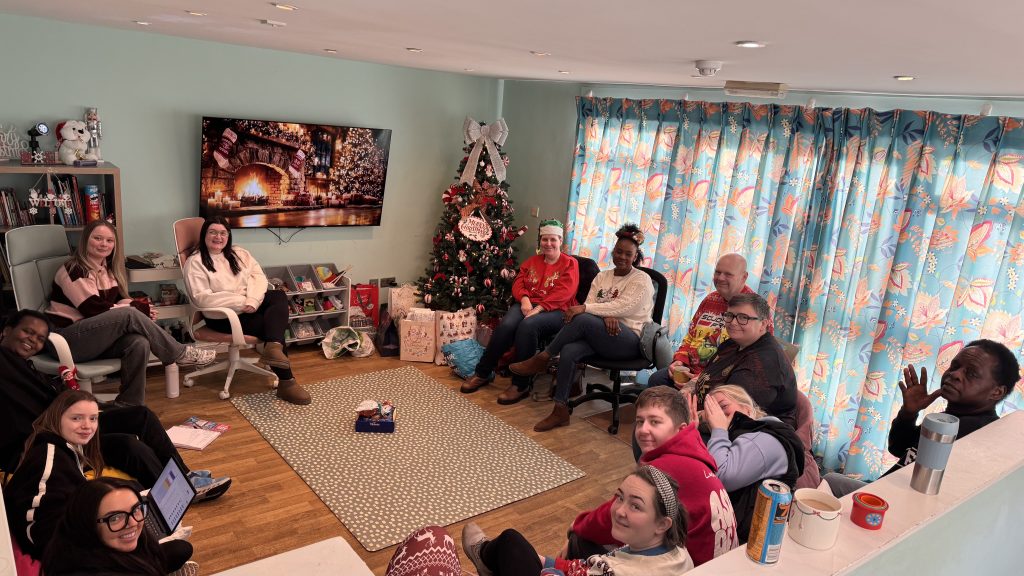
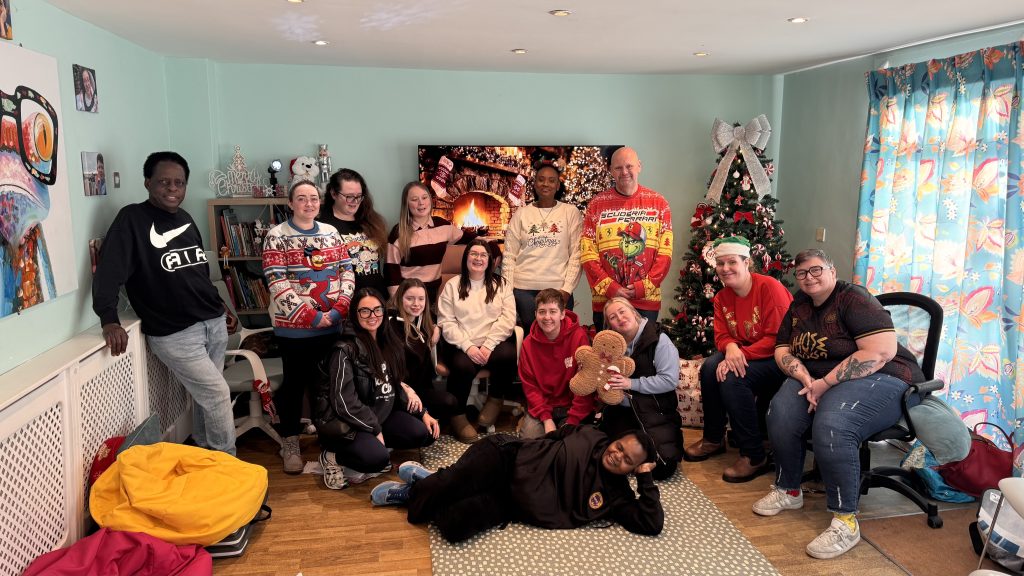
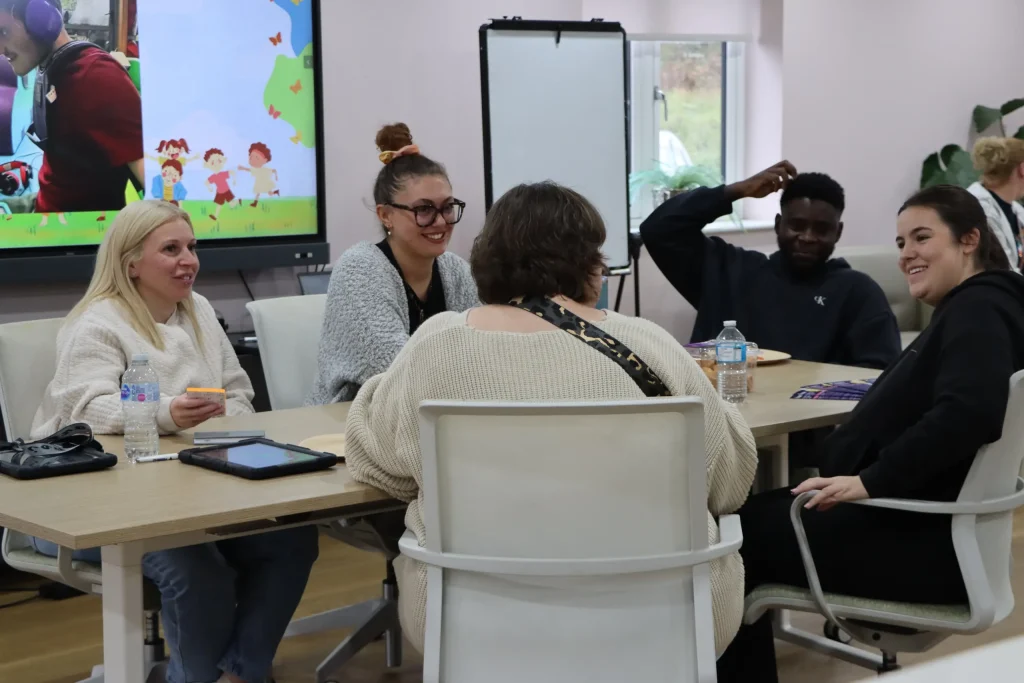
With a young person at The Bridge whose first language is British Sign Language, the day held particular significance. Staff came together to learn and sign the first letter of their names, recognising the vital role that accessible communication plays in creating a supportive and inclusive environment.

The activity was a meaningful moment of connection, reinforcing The Bridge’s commitment to ensuring every young person feels seen, heard, and respected. By embracing BSL, the team demonstrated how small actions can make a big difference in helping young people feel understood and valued.

National BSL Day is an opportunity to celebrate British Sign Language and the Deaf community, and at The Bridge, it was marked with genuine care, togetherness, and pride.

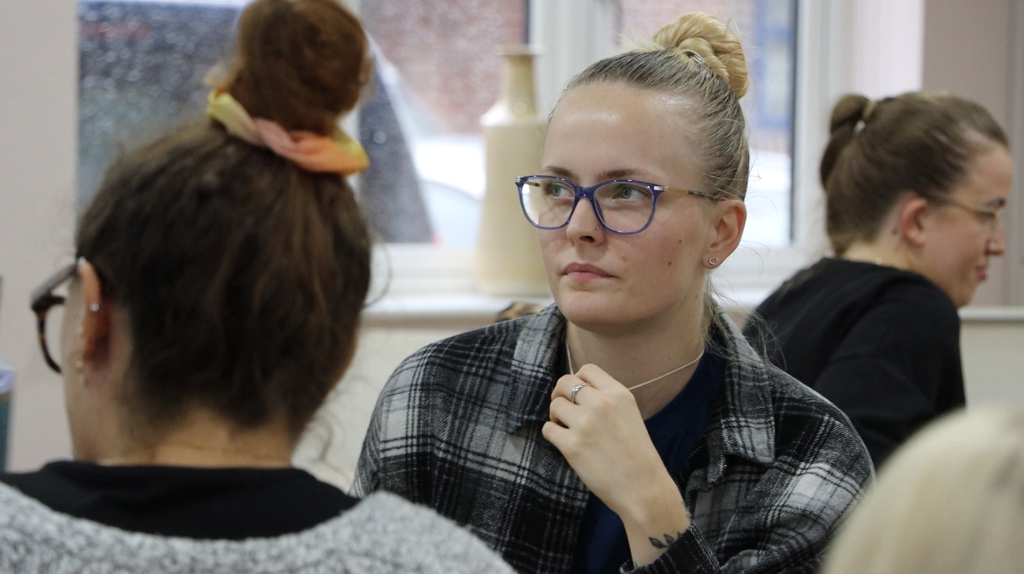
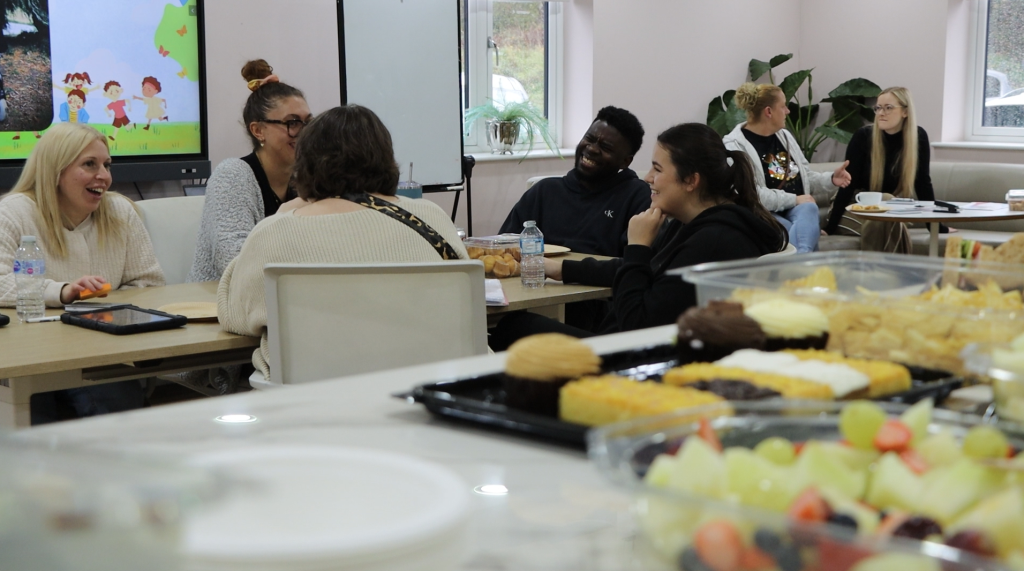
Take a look at the photos below to see how the team came together to mark the day.

Progress’ Stourbridge House Walks 5K for Autism Acceptance

Stourbridge House, part of Progress Children’s Services, is stepping forward this May in support of autism acceptance, with a special 5K walking challenge taking place as part of World Autism Acceptance Month.

Venice and the team at Stourbridge House, alongside the incredible young people they support, are coming together to take on a 5K walk for autism — raising awareness, promoting acceptance, and celebrating the individuality and unique strengths of every autistic person.

To mark the occasion, colleagues across Progress, as well as families and foster carers, are invited to take part in a “Walk 5K Your Way” challenge. The idea is simple: walk 5K anytime, anywhere, and in whatever way works best for you. Whether it’s a stroll through your local park, a walk around your neighbourhood, or joining colleagues and friends, every step helps amplify understanding and acceptance.

At Stourbridge House, acceptance is at the heart of everything the team does. Each day, they create a safe, nurturing environment where children and young people can develop independence, build social skills, try new experiences, and feel empowered to be themselves. For many, Stourbridge House is a place where they feel understood, supported, and encouraged to thrive.

Join the group walk

Those who would like to walk together are welcome to attend the group event:

  • Location: West Park (by the play area)
  • Date: 9 May
  • Time: 10:30am

Colleagues are encouraged to attend, along with families, foster carers, and supporters from across the Progress community.

Support the fundraiser

Anyone wishing to support the Stourbridge House autism acceptance fundraiser can donate via the link below:

👉 https://waam.autism.org.uk/fundraising/venicecampbell-1776717257801

Together, we can walk for acceptance, raise awareness, and celebrate every unique voice.

Children’s Mental Health Activities Through Storytelling

In many care environments, routines provide structure and stability. But it is often the moments that invite imagination, curiosity and shared participation that leave the deepest impact. Over the past three weeks, activities at The Bridge reflected this in practice. National Storytelling Week and Children’s Mental Health Week unfolded, creating a natural opportunity to explore creativity, connection and emotional wellbeing through shared experiences.

Rather than treating these observances as separate calendar entries, staff used them as complementary themes. Storytelling became a way to build confidence and communication. Mental health focused activities offered space to reflect, connect and regulate. Together, they reinforced a simple principle: emotional wellbeing thrives in environments where young people feel engaged, supported and included.

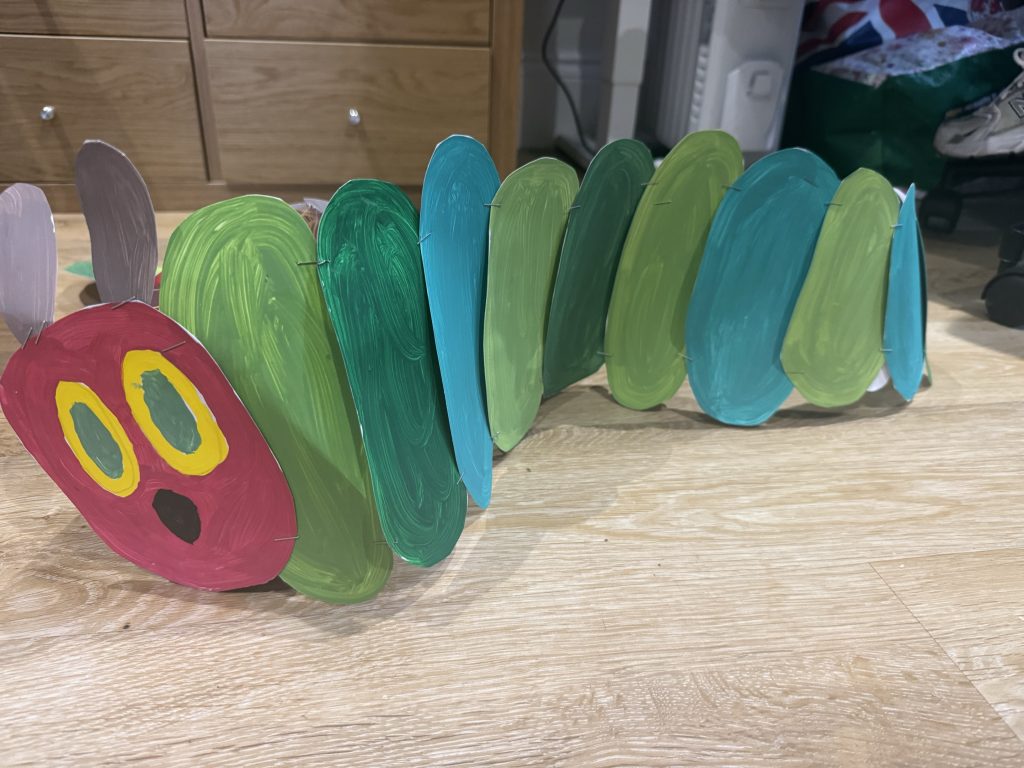
The team went all out with the crafts

As part of National Storytelling Week, young people gathered for a sensory storytelling session inspired by The Very Hungry Caterpillar. Instead of passively listening, they experienced the story through multiple senses. As the caterpillar journeyed through the days of the week, visual prompts were introduced and children were invited to taste the foods featured in the story.

The responses were wonderfully unpredictable. Some embraced every flavour. Others rejected unfamiliar textures or tastes with theatrical determination. But the purpose was not compliance. It was exposure and exploration. Trying something new in a supportive setting builds resilience and confidence, both key contributors to emotional development.

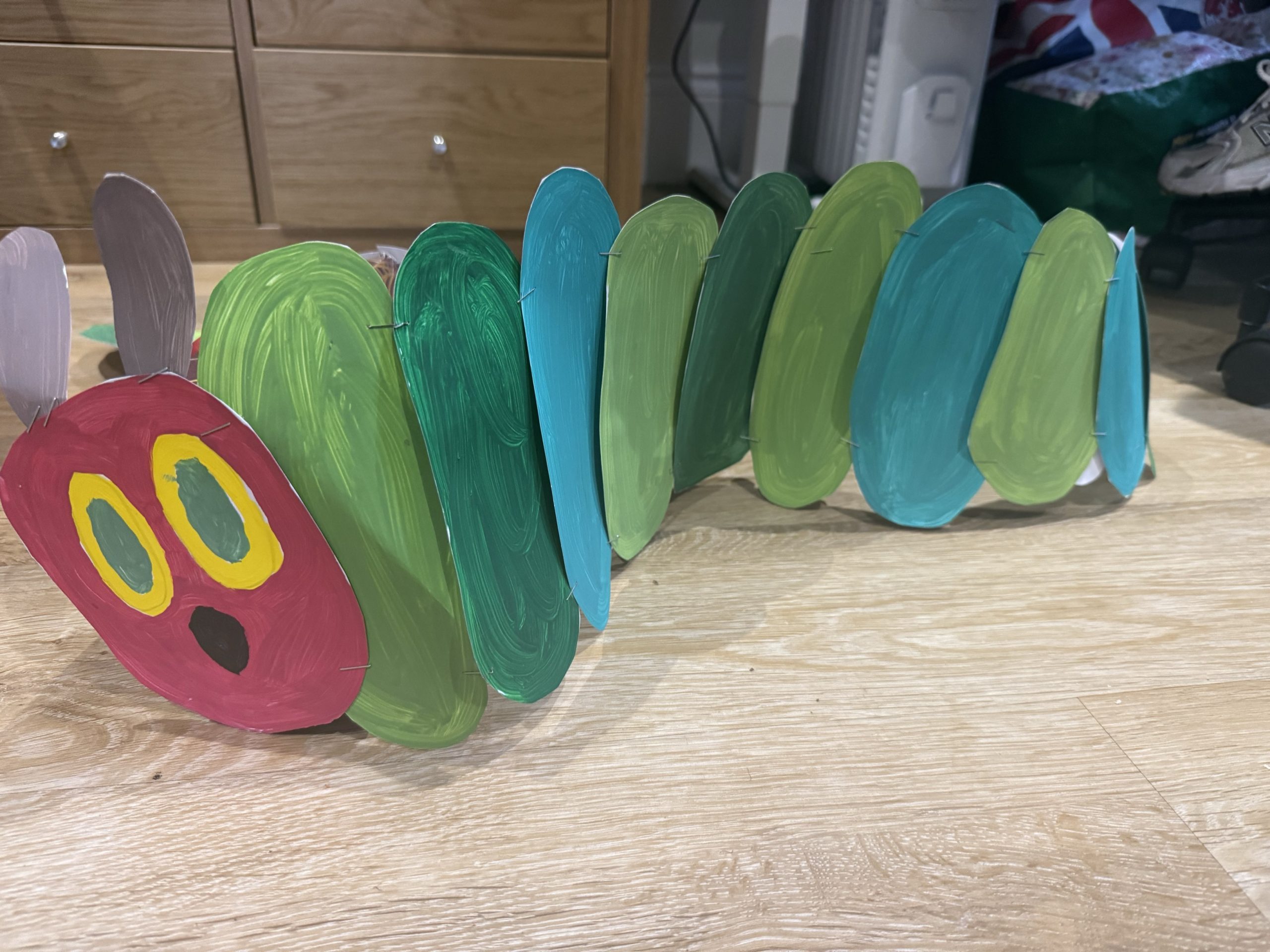
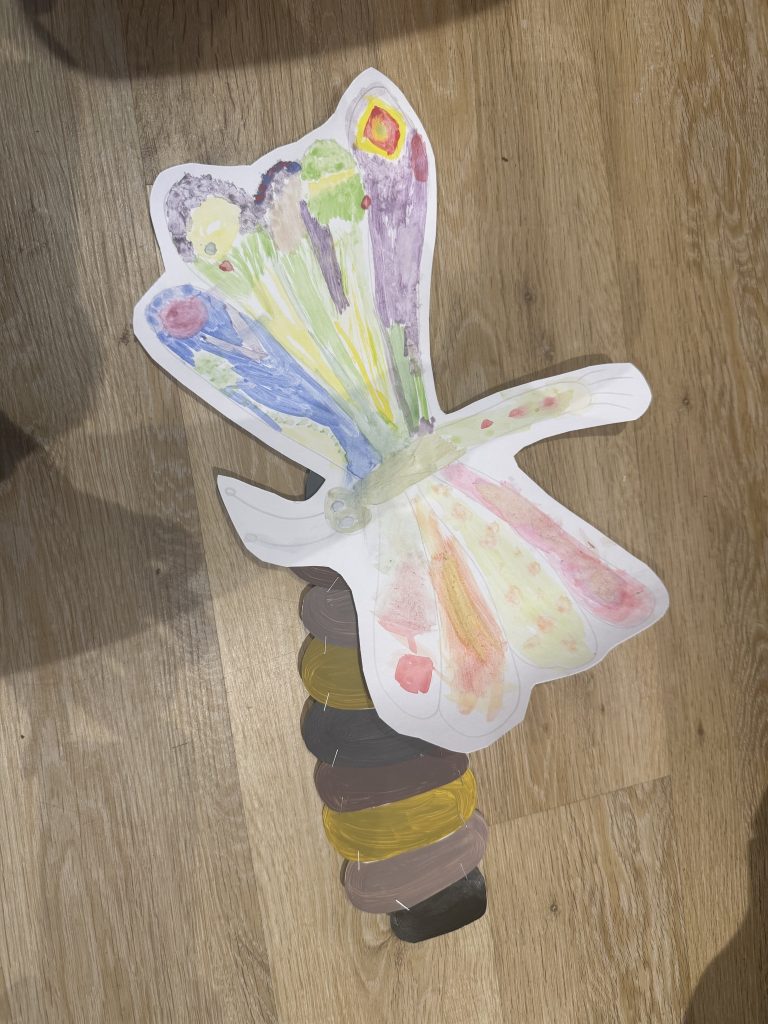
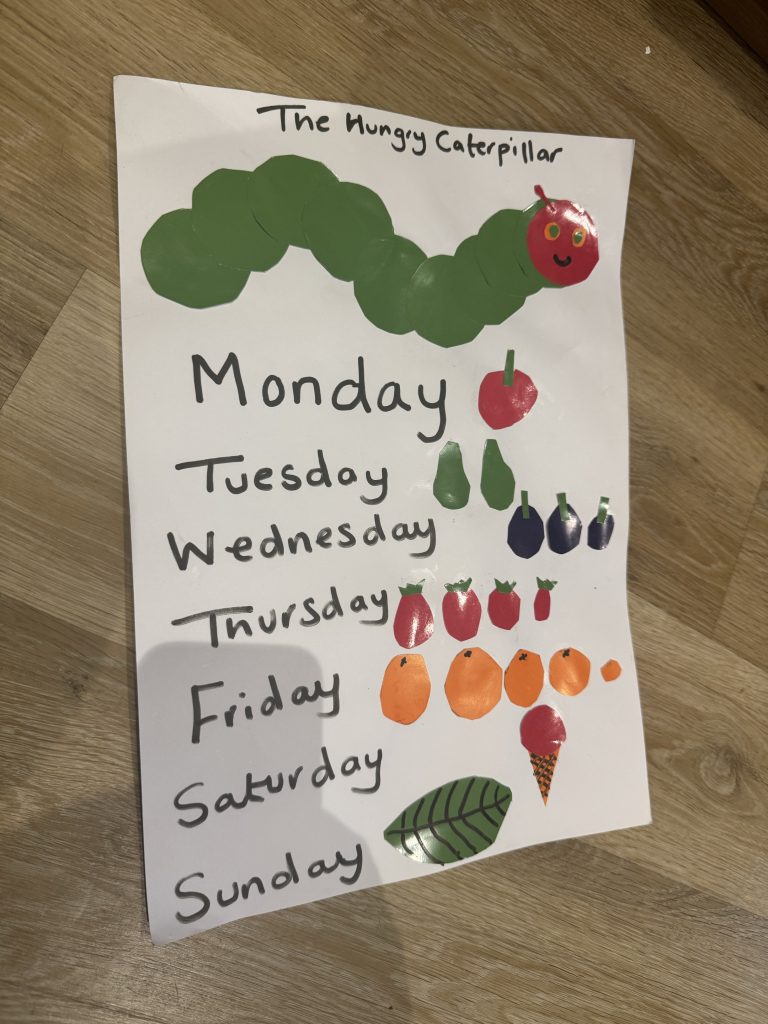
The environment itself reflected collective effort and creativity. Staff collaborated to design visual materials and artistic displays, while young people helped produce artwork used during the session. A hand-crafted caterpillar, a painted butterfly, and a calendar representing the days of the week transformed storytelling into something immersive and shared. Creativity became a vehicle for participation and belonging.

These moments of shared creation carry quiet psychological benefits. Collaborative activity builds trust, reduces isolation and strengthens self expression. When young people see their contributions valued, their sense of identity and self worth grows.

The Very Hungry Caterpillar

Why Shared Activities Matter

Planning activities around national and global observances is part of an intentional approach to engagement. Staff maintain a calendar of events that allows young people to feel connected to wider society while exploring new themes in meaningful ways. Yet the importance of these sessions extends beyond topical relevance.

In settings where individual living arrangements can sometimes encourage solitary routines, group activities provide vital opportunities for connection. They encourage interaction, laughter and shared learning. They also invite young people to try unfamiliar experiences without pressure, helping them develop coping strategies, curiosity and adaptability.

These qualities align closely with the goals of Children’s Mental Health Week, which emphasises emotional awareness, resilience and supportive relationships. Engagement through creativity and storytelling supports emotional literacy in ways that feel natural rather than instructional.

Throughout the week, activities were structured around themes that encouraged reflection and emotional development. Sessions focused on understanding feelings, recognising personal strengths, identifying emotions in others, and learning techniques to calm the body and regulate responses. Mindfulness, kindness and connection were also explored, culminating in reflective storytelling activities that allowed young people to process experiences in their own way.

By embedding these themes into daily engagement, the approach moves beyond awareness raising. It becomes lived practice. Young people are not only introduced to emotional wellbeing concepts but given practical tools and safe spaces to explore them.

The Very Hungry Caterpillar’s daily itinerary

What emerges from these initiatives is a philosophy grounded in empathy and participation. Activities are not treated as standalone diversions but as opportunities to strengthen relationships, encourage expression and nurture confidence. Whether painting props, tasting unfamiliar foods, discussing feelings or simply laughing together, each interaction contributes to an environment where young people can feel secure and valued.

National Storytelling Week illustrated the power of shared imagination. Children’s Mental Health Week has highlighted the importance of emotional understanding and support. Together, they demonstrated how creative engagement and wellbeing awareness are deeply interconnected.

Sometimes, supporting mental health begins with something simple. Sitting together. Listening to a story. Trying something new. Feeling heard. Feeling included. And discovering that growth often starts in those shared moments.

Congratulations to The Bridge’s Registered Manager, Nicole, Team Leader, Emily, the entire team and young persons there, for their successful activities that went beyond checking boxes to actually being intentionally impactful.

“I come home proud”: Sean’s first months at Henley Lodge

When Sean applied to work at Progress’ children’s residential service in Coventry, Henley Lodge, he wasn’t chasing a lifelong ambition to work in care. He was looking for something simpler, and harder to find — a job that felt meaningful, supportive, and worth the emotional energy it asked of him. Just a few months in, he says he’s found exactly that. 

“I come home proud,” Sean says. “I haven’t felt that in a long time.” 

Henley Lodge is Progress’ warm, homely children’s home based in Coventry, in the heart of the West Midlands. Set within a well-connected residential area, the service is easy to reach for staff commuting from nearby places like Bedworth, Nuneaton, and Birmingham. 

From the moment Sean stepped inside, the environment stood out. “It doesn’t feel like an institution,” he says. “It feels like a home.” 

The layout is calm and thoughtfully designed, with spaces that support everyday routines, play, and learning. Toys and resources are purposeful rather than overwhelming, and everything feels intentional, created with children’s needs in mind. Upstairs, management is close by and visible, but the overall atmosphere remains relaxed and welcoming. 

One of the features Sean is most excited about is the outdoor space. With gardens that come into their own in the warmer months, children have room to explore, play, and unwind. Ongoing refurbishments are continuing to improve the home, creating an environment that feels fresh, comfortable, and genuinely child-centered.

“It doesn’t feel like an institution,” Sean says. “It feels like a home.”


A career change that made sense 

Before joining Progress, Sean worked in a completely different sector. Like many people, he didn’t come with years of experience in children’s care, but he did bring patience, curiosity, and a genuine interest in working with people. 

“What surprised me most was how supported you are from the start,” he explains. “You’re never made to feel like you should already know everything. People take the time to explain things properly.” 

From shadowing colleagues to asking questions without judgement, Sean says the learning curve felt challenging but manageable because the team around him made it that way. 

Life at Henley Lodge is busy, unpredictable, and emotionally demanding at times. Sean is honest about that. But it’s also what makes the role rewarding. “Every day is different,” he says. “You might be helping with routines one minute, then dealing with something completely unexpected the next. But you’re never doing it on your own.” 

Some of the most meaningful moments are the quiet ones — building trust, noticing small changes, and seeing children begin to feel safe. 

“When a young person starts to trust you, that’s huge,” Sean says. “Even small steps, like a word or a smile, feel like real progress.” 

Ask Sean what really makes Henley Lodge special, and he doesn’t hesitate: the people. “It feels more like a family than a workplace,” he says. “People genuinely care about the children, and about each other.” 

The team brings together different ages, backgrounds, and experiences, but works closely and collaboratively. Managers are visible and approachable, support is offered without being asked for, and no one is left to struggle alone. 

“If you’re having a hard day, someone notices,” Sean says. “That makes a massive difference in this kind of work.” 

Pride, purpose, and looking ahead 

Perhaps the biggest change for Sean is how he now feels when he finishes a shift. 

“This job gives you a sense of purpose,” he says. “It’s challenging, but it feels worthwhile. You can actually see why what you do matters.” 

As he continues to grow in the role, Sean is focused on learning, training, and becoming the best support he can be, not because he’s being pushed, but because he feels encouraged. 

“I feel like I’m in the right place,” he says. “And that’s not something I’ve always been able to say about work.” 


Thinking about joining Henley Lodge? 

To work at Henley Lodge. What matters most is compassion, resilience, and a willingness to learn. 

As Sean’s story shows, with the right environment, strong leadership, and a supportive team around you, this can be a role you feel proud of — every single day. Visit progresscare.co.uk/jobs to apply to join Henley Lodge today. 

A Year of Gratitude at Oak Cottage

It started with one question and a room full of honest answers.

Last Friday, the team meeting at Oak Cottage unfolded a little differently. Amid the hum of a busy children’s home and the soft glow of Christmas decorations, the team paused. Chairs were pulled closer in a circle, voices softened, and I asked one simple question: What is one thing you are grateful for this year?

Oak Cottage, a crucial part of Progress Children’s Services, is a place defined by pace and responsibility. Reflection is rarely built into the rhythm of the day. Yet, as each person spoke, it became clear that gratitude had been quietly accumulating all year, waiting for space to be heard.

For some, gratitude began with a decision to start again. One team member, only a few weeks into the role, spoke about leaving a previous job and stepping into Oak Cottage. “Leaving my old job and starting here was positive for me,” they said. “Everybody’s been really friendly. People explain things. You don’t feel left on your own.” It was a small sentence, but it carried the relief of being welcomed into a team that takes time to include.

Others reflected on return rather than arrival. After months away due to illness, one colleague described coming back to work and finding comfort in familiarity. Despite changes and developments, the heart of the home remained steady. “I came back to the same friendly team,” they said. “You could see how things had grown, how people were still pushing forward.”

Several reflections wove together personal milestones and collective strength. One colleague spoke proudly about buying their own house this year, a goal made possible through stability and perseverance. But the pride quickly widened beyond the individual. “This year feels different,” they added. “People have bonded more. There’s more love, more helping each other. Even team meetings feel calmer.”

Professional growth featured heavily. Becoming a key worker was described as a moment of trust as much as responsibility. “It’s a lot of responsibility,” one staff member said, “but it makes me really happy to be trusted. It gives the job more meaning.” Others spoke about watching young people grow in confidence, discovering their quirks, and finding joy in moments that might look ordinary from the outside but mean everything to the child experiencing them.

Longer-serving staff offered perspective shaped by years in the sector. One colleague, with over a decade at Progress, reflected on what keeps them there. “I enjoy working with children,” they said. “Seeing their faces smile. Knowing you’ve made them feel safe or comfortable. Every day is different. You try things, you learn what works. That’s what keeps me here.”

There was honesty too. One team member spoke openly about a turbulent period that almost led them away from the home. They did leave briefly, trying work elsewhere, but soon realised what they missed. “It was lovely, but boring,” they admitted. “I kept talking about Oak Cottage. I realised this is where I wanted to be.” Returning brought clarity, not just about the work, but about where they felt most themselves.

Family, health and wellbeing quietly threaded through many voices. One colleague spoke about their child recovering from illness and the gratitude that brought. Another reflected on learning to rest, to step back from working constantly. “I’m not working 24/7 anymore,” they said. “I have rest days. I do things outside work now, and it makes me calmer when I come in.” Gratitude, here, was about balance and being supported to sustain care, not just deliver it.

As the reflections drew on, a wider sense of pride emerged. The team acknowledged a significant milestone: six months without any recommendations following regulatory visits. It was not framed as a tick-box success, but as proof of stability, teamwork and consistency built over time.

The meeting closed with leadership reflections that gently tied everything together. Megan, the team leader, spoke about a year that challenged her both inside and outside of work. Becoming a team leader was a milestone, but what mattered more was staying resilient, present and positive through difficulty. It had not been an easy year, she said, but she was proud of her journey and proud to still be standing with her team. “I’m still here, and I’m still going,” she said, a line that resonated across the room.

Beth, the manager, reflected on the strength of the team itself. She spoke proudly about rebuilding stability, welcoming colleagues back, and creating a home that felt settled for both staff and children. The six months without recommendations stood out as a moment of collective achievement, but her focus remained firmly on the future. Her hope was for continuity, smooth transitions for the young people, and a team that continues to thrive together.

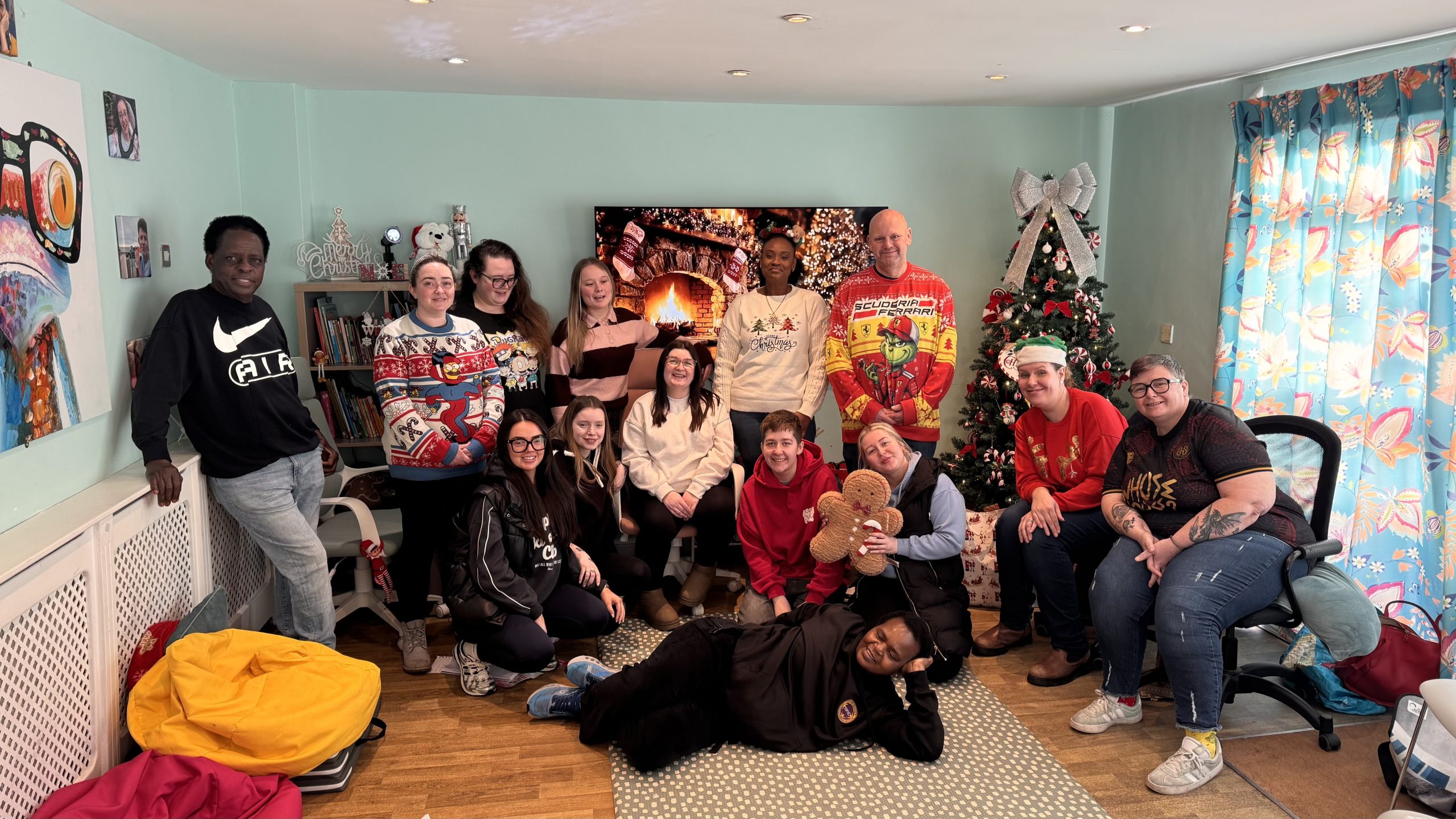
As the reflection session of the meeting ended, there were jokes; they also posed for a group photo by the Christmas tree. But something lingered.

What emerged from that hour was not a list of successes, but a shared understanding of why Oak Cottage matters. It is a place where people arrive uncertain and find confidence, where disagreements happen but are followed by coming back together, and where care is given freely, often instinctively, because it feels like the right thing to do.

As one team member put it simply, “This isn’t just work. It’s like home.”

How Spring Meadow Is Planning to Celebrate Christmas

Christmas at Spring Meadow is about the limitless possibilities.

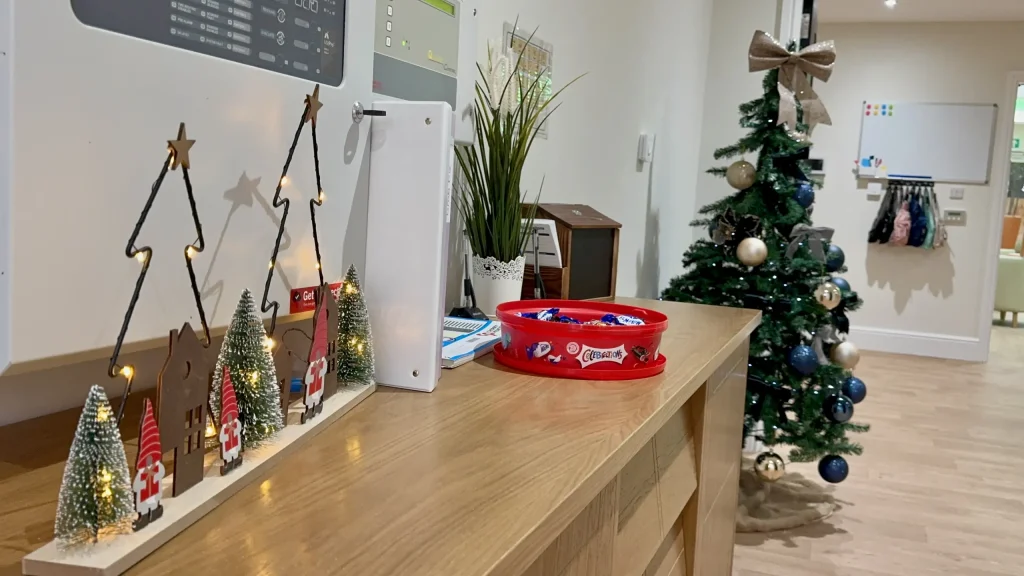
Christmas at Spring Meadow is still taking shape. It lives, for now, in conversations, careful planning, and the first decorations placed with intention. On the day the service officially opened its doors for visitors, I interviewed the team leaders Chloe, Caitlin, and Mary, alongside Dawn, Deputy Manager, and Amanda, Registered Manager. It became clear that the Christmas festive season has become a way of explaining not just how the service will celebrate, but how it hopes to care.

From the outset, the very obvious difference is space. Speaking about what sets Spring Meadow apart, Chloe, Team Leader, returns to this repeatedly. “The very obvious one is the space,” she says. “It’s nice to have more space for everybody to break out, staff to break out, young people, everyone’s got space.”

That physical openness, Caitlin, also a Team Leader, explains, changes what is possible day to day. “We’ve got a bigger space… more capacity for young people, and more facilities to support young adults with different disabilities and needs.”

At their current service, Christmas required caution. Chloe describes how celebration has had to fit around practical constraints. “We do decorate. We do have a tree,” she says, “but we’re quite limited in terms of where we can put it, so that it can stay in one place and stay in one piece.”

Spring Meadow changes that entirely. “Here, you could do the front garden, the back garden,” Chloe adds. “There’s so much more space to decorate and make it more festive.”
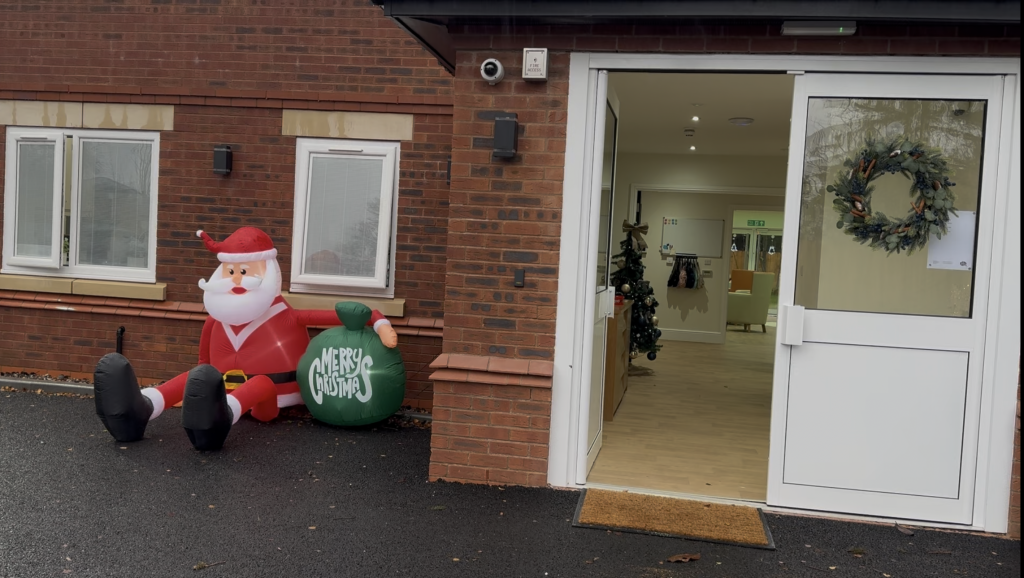
Looking ahead, Caitlin talks about how the team imagines future Christmases once the service is fully up and running. “When we spoke about what we’re going to do next year,” she says, “it’s decorating the whole service, the bedrooms, outside, even doing our own little Grotto… making it more of an experience for the young people, not just having decorations.”

For Mary, Team Leader, the new environment also creates opportunities to bring people together. “We’ve talked about doing events and having other services come to us,” she explains. “We have the space to do that now, like Christmas parties.”

At a leadership level, the focus is firmly on involvement rather than display. Amanda, Registered Manager, emphasises that Christmas should be something young people actively shape. “They’ll be more involved because of the space,” she says. “There’ll be something for everybody, not just a Christmas tree.”

That participation links closely to independence and wellbeing. Gardening becomes a recurring theme, even in festive reflections. Chloe describes plans for the outdoor space in detail. “The young people can grow their own fruit and veg, plant them, watch them grow, bring them in, cut them,” she explains. “They can see that process of healthy eating.”

Dawn, Deputy Manager, builds on this, linking everyday skills to longer-term outcomes. “Being able to grow your own vegetables, your own fruit, then come and cook it yourselves,” she says, “it’s all about promoting their wellbeing and independence.”
Christmas at Spring Meadow is also imagined as inclusive and culturally responsive. Amanda speaks about moving beyond a single-festival mindset. “We’re going to be devising a celebration calendar,” she explains. “Celebrating different festivals, doing food, decorations, whatever else we need to do to help them feel at ease and help them feel at home.”

She also highlights the importance of working closely with families. “Somebody from a different background can show how they celebrate,” Amanda says. “And if young people are non-verbal, we can get that information from families and bring those celebrations into the home as well.”

There is an emotional undertone to how Christmas is discussed, shaped by a long wait for the building to be ready. Both managers describe the atmosphere of Spring Meadow in warm, almost seasonal language. Dawn notes, “It feels very homely; it has that sense of family.” Amanda adds, “It’s holistic, it’s tranquil, it’s calming, it’s beautiful.”

When asked to sum up the service in a single word, Amanda, Registered Manager, says “magical,” before adding that it is ultimately about “making a difference.”

Dawn, Deputy Manager, follows with a line that captures the spirit of the season perfectly: “I would say it’s Christmas.”

For a team that has grown together within Progress, this moment matters. The reflections of Chloe, Caitlin, and Mary on a year of transitions sit alongside leadership’s vision for what comes next.

There is realism, too. Dawn acknowledges the scale of change ahead. “It will be overwhelming at first for the staff,” she says. “But once we put that at ease, I think they’ll blossom.”

Christmas at Spring Meadow is still unfolding. But through the voices of its team leaders, deputy manager and registered manager, it already feels like something more than a season — a statement of what this new home is meant to be.

Stourbridge House Parents’ Day 2025: How We Help Parents Feel Less Alone

Sometimes, the most important kind of support is simply being in a room with people who understand you.

Parents arrived at our head office (Progress House) in Wolverhampton last Friday carrying the familiar mix of hope and unspoken resilience that often accompanies families who rely on Stourbridge House’s short breaks. But the atmosphere inside felt gentler than usual. The conference room had been rearranged into something quieter and more welcoming. There were soft conversations instead of handovers, relaxed seating instead of routines, and staff moving calmly through the space, laser-focused on ensuring the parents in attendance relaxed, connected and fancied a cuppa rather than paperwork.

This was Parents’ Day, the second of its kind for Progress’ outstanding Stourbridge House, and one that has quickly become much more than an annual event. For Registered Manager Kim, the day is a rare chance to place families at the centre of everything without the usual busyness of schedules and support plans.

“Families go through so much, and often they feel like they are on an island,” she said. “If today helps them realise they are not on their own, even for a moment, then we have done what we came to do.”

The first Parents’ Day, held last year, focused heavily on the children. Staff shared updates, independence goals, activities and progress. It was valuable, but Kim wanted something different this time. Something softer. Something that didn’t feel like another appointment families had to squeeze into their already stretched lives.

So the team redesigned everything. They created a calm, unhurried space inside Progress House. A healthy buffet replaced clipboards. The usual structure gave way to natural conversation. Instead of parents being updated on what their children had been working on, staff turned the focus toward the adults themselves. How are you coping? What support do you need? What has been hard? What is getting easier? How can we help beyond the hours your child spends with us?

For Team Leader Tadi Nashe, this shift was essential.

“A lot of our parents seem like they are going through it alone,” he said. “But we see the similarities every day. If we can bring them together, even just two of them, then suddenly they’ve got someone who gets it. That alone can change everything.”

Across the room, that change was already happening. A single mother who often arrives visibly strained found herself in gentle conversation with another parent. A dad who rarely stops long enough to talk lingered at a table, laughing at a comment only someone in a similar situation would understand. A parent who had carried something heavy for weeks finally spoke to the on-site therapist and walked away breathing a little easier.

These are the moments the team wanted. Honest, human moments. Not structured workshops or formal updates. Just connection.

For Kim, this approach reflects the heart of the service.

“Parents need more than a break,” she said. “They need a community. They need to know someone else understands, that they are not failing, that they are not alone.”

Throughout the day, staff eased into open conversations about what families want from the service as it continues to grow. Parents talked about what helps at home, what unsettles their children, what small changes could make a huge difference and what they hope to see as Stourbridge House expands.

Because expansion is coming. Construction is already underway, and once complete, the service will support more children and more families across Wolverhampton, Dudley and Sandwell. For Kim, this is not just about bigger numbers. It is about strengthening the safety net that allows families to keep caring for their children at home.

“We are here for the children, of course,” she said, “but our primary aim is to keep children living at home. For that to happen, families need support, trust and connection. Expanding the service means offering that to more people.”

Recruitment is central to that growth, and Kim remains firm on one thing: values beat experience.

“I can teach someone how to do the job,” she said. “I cannot teach them to care. If someone has passion and the right heart for children, the rest we can build.”

The day at Progress House also arrived at the end of a year that has shaped the team itself. New children arrived. Others transitioned to adult services. The service remained stable and strong. The children enjoyed a holiday at Alton Towers. Staff grew in confidence and skill.

And for Tadi, the year marked personal transformation.

“I look at things differently now,” he said. “I think about other people first. I’ve grown as a person as much as I’ve grown in the job.”

As Parents’ Day drew to a gentle close, no one rushed. Conversations lingered. Parents connected. Staff moved slowly, letting everyone take the time they needed. It was a small event by design, but one with an impact that stretched far beyond the afternoon.

For the families who arrived carrying the weight of daily life, Progress House became, even for a few hours, a place of shared understanding and relief.

And as the last parents left, Kim summed it up simply.

“If today reminded even one family that they are not doing this alone,” she said, “then it was worth everything.”

Megan Wins Rising Star Award at Progress Superstar Awards 2025

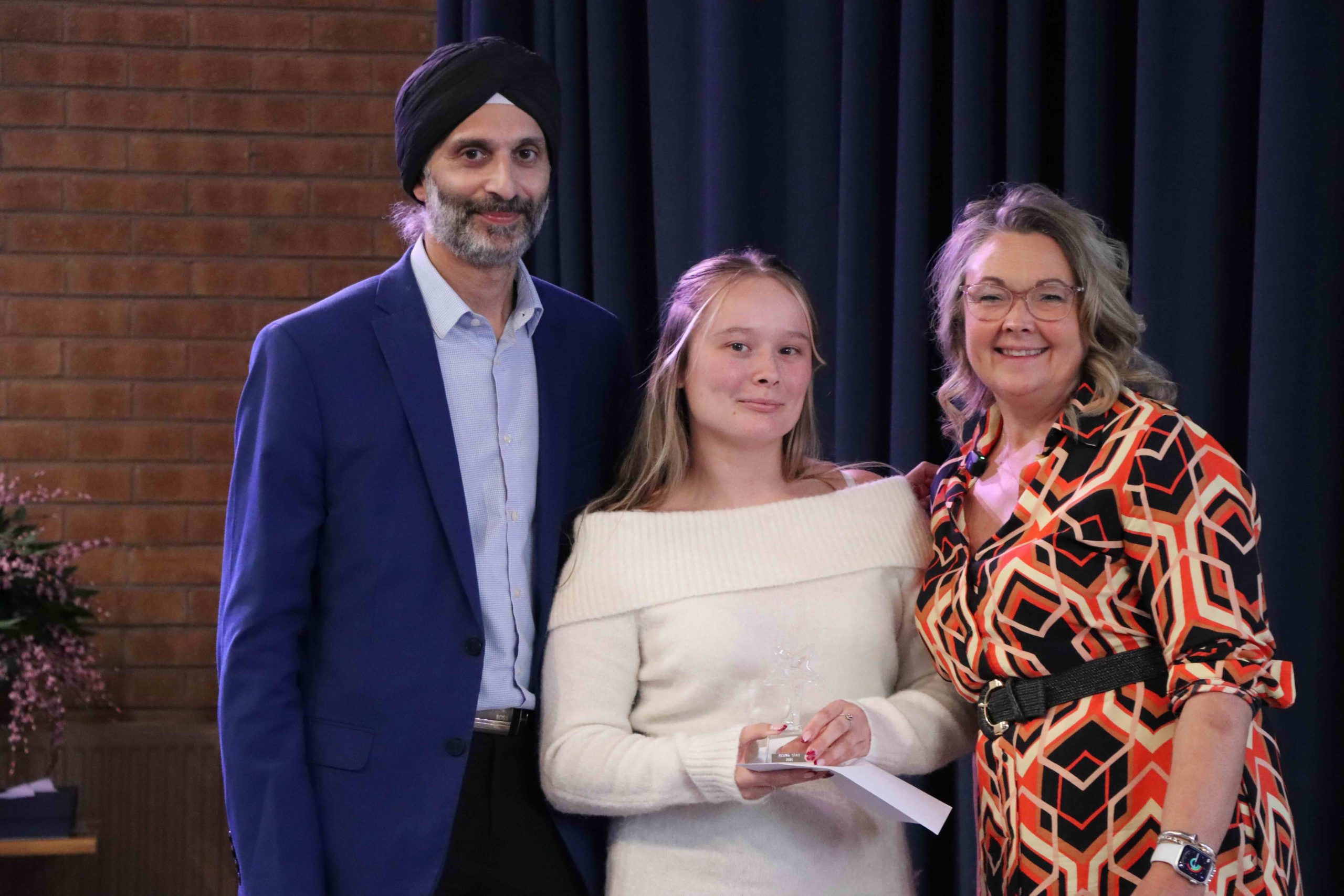
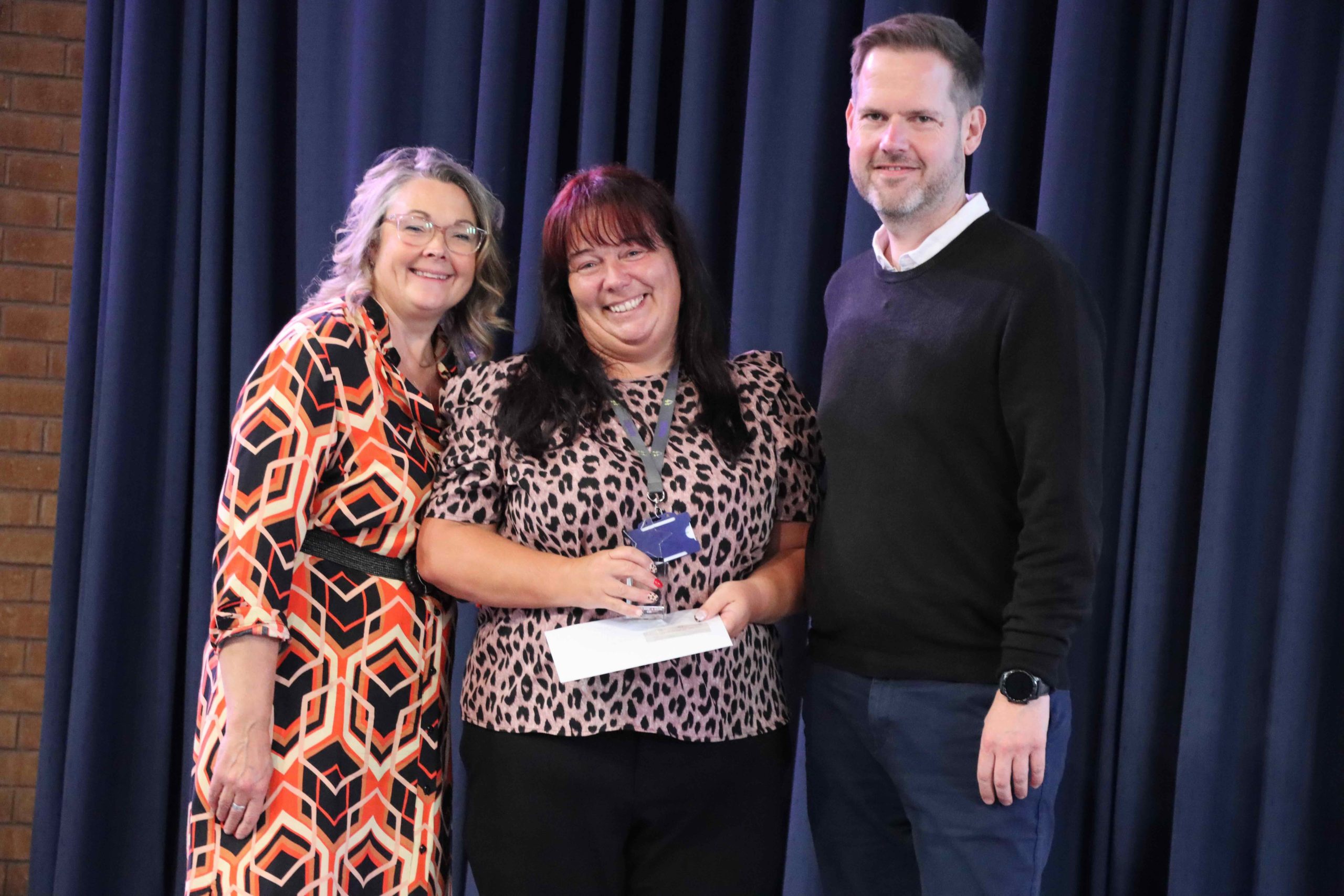
Progress Children’s Services is celebrating another proud moment as Megan, Team Leader at Oak Cottage, was named the winner of the Rising Star Award at this year’s Progress Superstar Awards. The award was presented by Harjinder Deo, Finance Manager at Progress, in recognition of Megan’s remarkable growth and dedication to the people she supports.

Megan’s journey with Progress has been one of drive, hard work and heart. In just twelve months, she rose from support worker to team leader, taking on more responsibility and helping to strengthen her team’s work with children and young people. She has supported her manager with administrative tasks, contributed to inspections and built trusted relationships with colleagues, children and external partners.

“Megan has developed from a support worker to a team leader in the last 12 months,” said Harry during the presentation. “She’s gone from not leading shifts to helping with everything from admin and Reg 44s to inspections. She’s supported her colleagues and the children, formed strong relationships and always goes the extra mile.”

Megan was nominated by both colleagues and senior staff, a reflection of the trust and respect she’s earned across the service. Her story is already familiar to many within Progress, following the publication of From Support Worker to Team Leader in Twelve Months, which highlighted her rapid progression and commitment to making a difference.

The Rising Star Award shines a light on individuals who demonstrate exceptional personal and professional growth, showing initiative, leadership and an unwavering commitment to high-quality care. Megan embodies those values every day in her work.

Are you inspired by Megan’s journey at Progress? Apply to attend our next recruitment event. Fill the form below:


    Becky Celebrated for “Going Above and Beyond” at Superstar Awards 2025

    At this year’s Progress Superstar Awards, Becky, a team member at Stourbridge House, was recognised for her exceptional commitment to children and young people, receiving the Going Above and Beyond Award.

    Becky’s colleagues described her as “inspirational”, praising the way she goes the extra mile to make every child feel special. From thoughtful touches to unforgettable celebrations, her dedication helps create moments that matter for the children in her care.

    “She was described as a perfect worker, someone who is always on her game and does everything she can when those special moments come up in children’s lives. If they come into service, it’s made into an occasion,” said Phil McDonald, Head of Adult Services at Progress,  during the presentation.

    The Going Above and Beyond category is one of the most popular at the annual conference, celebrating staff who consistently put care, compassion and creativity into action. Becky’s win reflects the strong culture of dedication and teamwork at Stourbridge House and across Progress services.

    Congratulations Becky, and thank you for everything you do to make a difference.

    The Bridge Shortlisted for National Children’s Homes Awards 2025

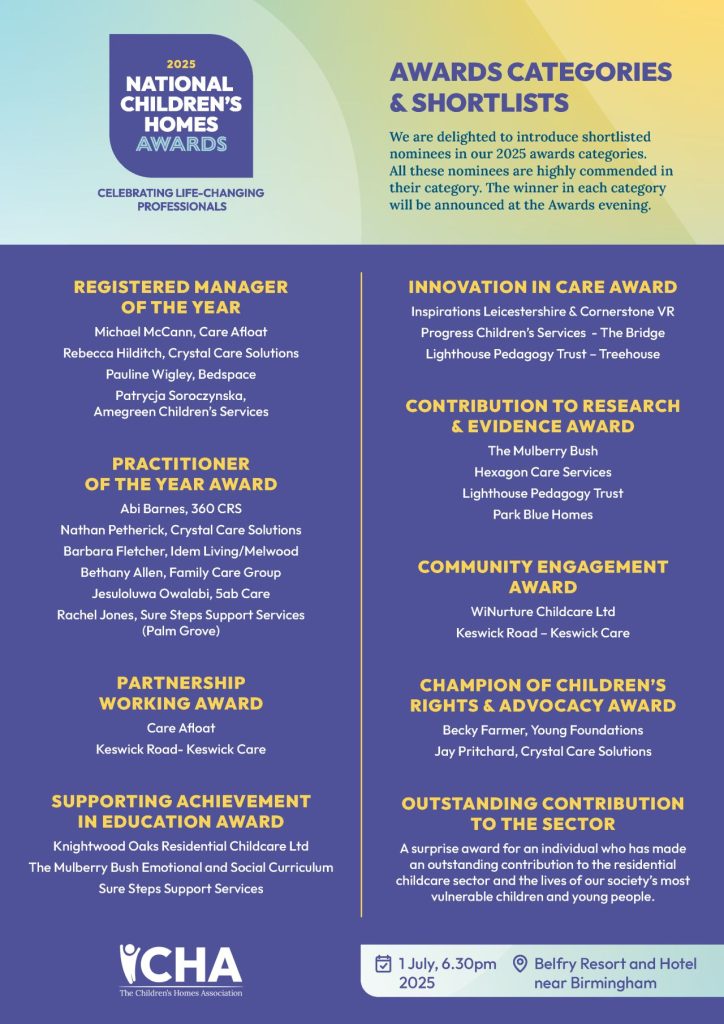
    Progress is proud to announce that The Bridge, one of its flagship services, has been shortlisted for the Innovation in Care Award at the inaugural National Children’s Homes Awards 2025.

    Organised by The Children’s Homes Association, the prestigious awards celebrate the dedication, creativity and impact of professionals and services across the residential childcare sector. The shortlist was revealed ahead of the awards ceremony and gala dinner, which will take place on Tuesday 1st July 2025 at the Belfry Resort and Hotel near Birmingham.

    Nicole Clayton, Manager of The Bridge, expressed her excitement:

    “I’m so happy that my service has been shortlisted for an award! This recognition means so much to me and reflects the hard work, passion, and commitment my team and I put in every day to support and care for young people and their families. I’m also incredibly grateful to be part of the amazing company Progress.”

    The Innovation in Care Award recognises organisations that are redefining best practices and pushing boundaries to deliver transformative care. The Bridge’s shortlisting reflects its commitment to pioneering approaches that place the needs of children and families at the heart of everything it does.

    Progress joins a distinguished group of nominees acknowledged for excellence across the care sector.

    Bal Dhanoa MBE, Founder & CEO, Progress:

    “When I started Progress, it was with the belief that every child deserves exceptional care rooted in love, dignity and innovation. Seeing The Bridge shortlisted is a deeply proud moment, not just for Nicole and her team, but for all of us committed to transforming children’s lives. This is what progress looks like.”

    Claire Rogers, Managing Director, Progress:

    The Bridge exemplifies what can be achieved when leadership, passion, and innovation come together. I’m incredibly proud of Nicole and her team. This nomination is more than an accolade, it is a recognition of the life-changing impact they have every single day.”

    Tina Bhardwaj, Head of Children’s Services, Progress:

    “To see The Bridge recognised at the national level is a testament to the extraordinary work Nicole and her team deliver with such care and purpose. Their commitment to innovation and putting children at the heart of everything they do truly sets them apart. This shortlisting is so well deserved.”

    For more information about the awards, visit: www.the-cha.org.uk