Progress Brings Foster Carers Together to Mark Foster Care Fortnight 2026

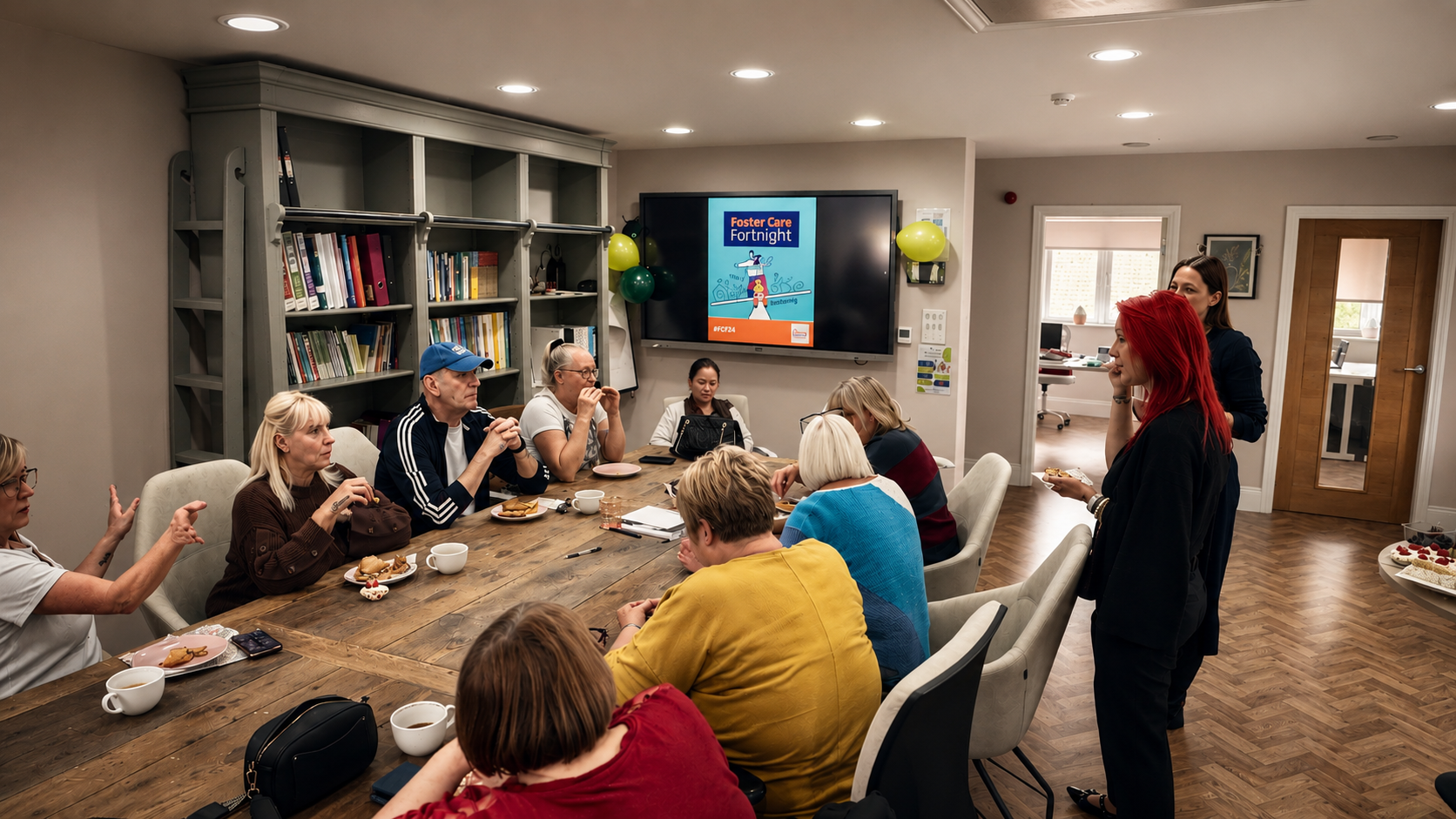
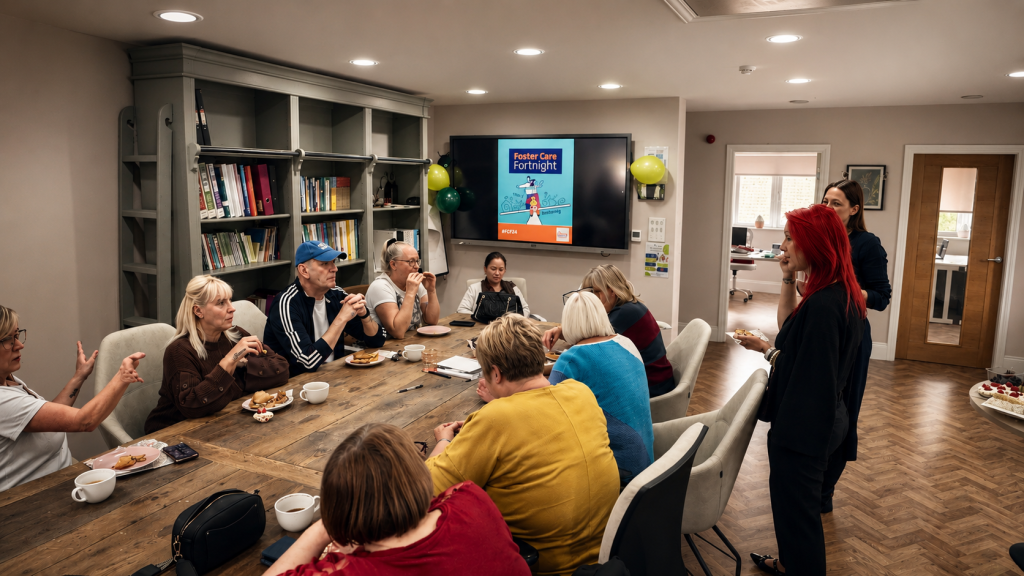
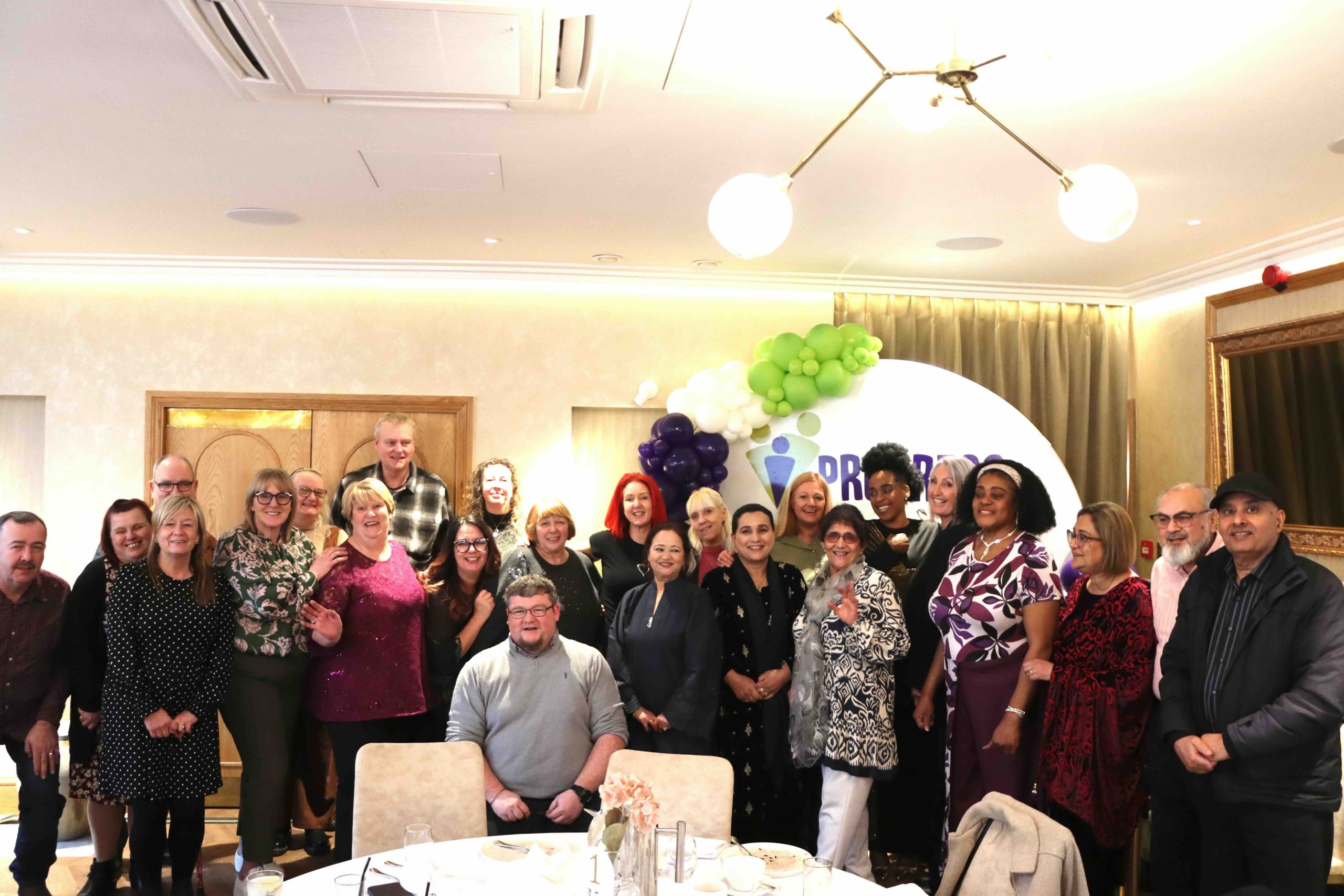
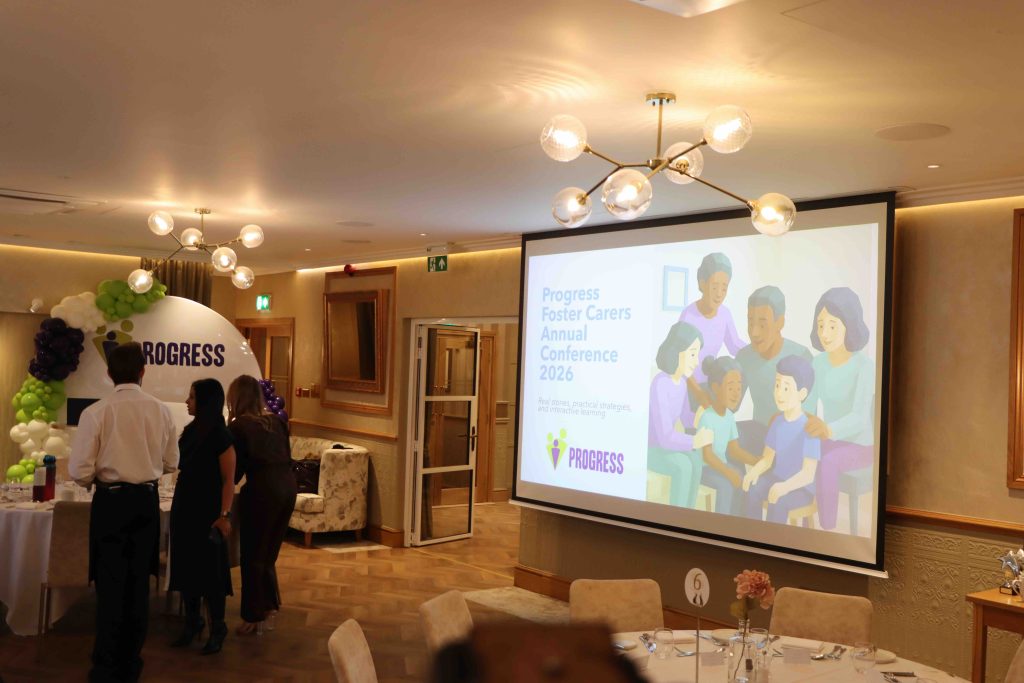
Progress Fostering Service today welcomed foster carers, Progress leadership, and members of the fostering team to its Wolverhampton head office for a special lunch event celebrating Foster Care Fortnight 2026.

The gathering formed part of this year’s Foster Care Fortnight campaign, led nationally by The Fostering Network, with the 2026 theme “This is Fostering” highlighting the many different stories and experiences within the fostering community.

The event created an opportunity for foster carers to come together, share experiences, strengthen relationships, and reflect on the impact fostering continues to have on the lives of children and young people.

Alongside carers, members of the Progress leadership team and fostering staff attended the lunch to recognise and thank foster carers for their ongoing dedication, compassion and commitment.

Michelle Earp, Fostering Manager at Progress Fostering Service, said:

“People often ask what fostering really looks like, and the truth is — it’s not just one thing.

It’s the everyday moments. The patience. The laughter. The challenges. The quiet wins that don’t always get seen.

That’s why this year’s Foster Care Fortnight theme, ‘This is Fostering’, matters so much. Because fostering is real life. It’s showing up. It’s being there consistently for a child who needs you.

Today’s lunch was about recognising our carers and creating space for people to come together, support one another, and share their experiences. At Progress, we see every day that fostering is not something you do alone. It’s a community.”

Throughout Foster Care Fortnight, Progress Fostering Service will continue spotlighting foster carers, celebrating young people, and encouraging more people to learn about fostering and the support available through Progress.

Members of the public are encouraged to follow the campaign online using the hashtags #ThisIsFostering, #FCF26 and #ProgressFostering.

Anyone interested in learning more about becoming a foster carer can contact Progress Fostering Service for information, guidance and support.

Progress’ The Bridge Marks National British Sign Language Day

The team at The Bridge marked National British Sign Language (BSL) Day in a simple but powerful way — celebrating inclusion, communication, and the importance of being understood. The Bridge is one of the services under Progress Children’s Services.

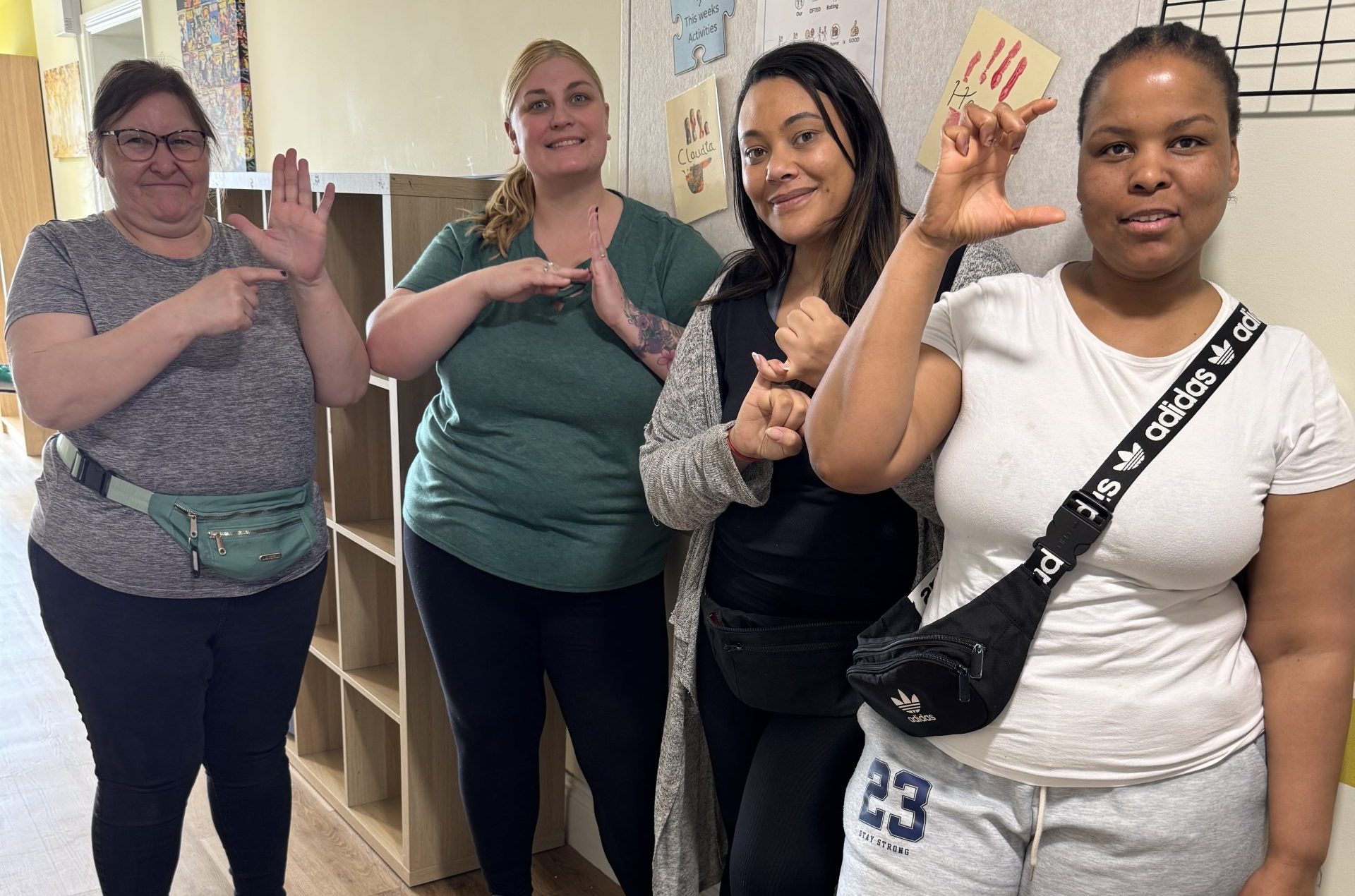
With a young person at The Bridge whose first language is British Sign Language, the day held particular significance. Staff came together to learn and sign the first letter of their names, recognising the vital role that accessible communication plays in creating a supportive and inclusive environment.

The activity was a meaningful moment of connection, reinforcing The Bridge’s commitment to ensuring every young person feels seen, heard, and respected. By embracing BSL, the team demonstrated how small actions can make a big difference in helping young people feel understood and valued.

National BSL Day is an opportunity to celebrate British Sign Language and the Deaf community, and at The Bridge, it was marked with genuine care, togetherness, and pride.

Take a look at the photos below to see how the team came together to mark the day.

Three Progress managers on stress, self-awareness and staying grounded

Stress is not an occasional visitor in care. It’s a constant companion, woven into decisionmaking, responsibility, safeguarding, staffing pressures, and the emotional labour that comes with supporting vulnerable people every day. To commemorate Stress Awareness Month, three Progress managers talked about how they experience stress and, more importantly, how they live alongside it. 

Their answers couldn’t be distilled into a single coping strategy, and that’s exactly the point. 

Living with it, not fighting it 

For Amanda Pugh, Registered Manager at Spring Meadow, stress isn’t something that comes and goes. It’s more permanent than that. 

“I don’t really have time to deal with stress,” she says honestly. “It’s more about distraction.” 

Amanda doesn’t frame stress as a problem with a solution. Instead, she describes living with it: acknowledging that it’s always there but finding moments where it loosens its grip. A cup of tea that lasts a little longer than usual. A task that pulls focus elsewhere. A brief pause that allows her mind to step away, even temporarily. 

“Stress doesn’t go away,” she explains. “But finding a short distraction helps take my mind off it. As soon as it’s finished, the stress is still there.” 

Perspective, not perfection 

At Stourbridge House, Deputy Manager Jessica Freeman approaches stress differently. Rather than trying to push it away, she actively works to manage it. 

“Stress is always going to be part of the job,” she says. “So, I try to manage it rather than fight it.” 

For Jessica, that starts with perspective. When everything feels urgent, she reminds herself that not everything needs to be solved at once and that it’s okay not to have an immediate answer. 

“I focus on what I can control by staying organised and prioritising,” she explains. “I remind myself I don’t have to figure everything out straight away. I can take time to decide the best course of action.” 

But some of Jessica’s most powerful grounding doesn’t happen at work at all. When she goes home, her world shifts. 

“Spending time with my daughter really puts everything into perspective,” she says. “It reminds me why I do this job and why the support we give children matters so much.” 

That contrast between the intensity of the workplace and the simplicity of family time helps her reset. Fresh air, small routines, moments that belong entirely to her life outside of care. These aren’t luxuries; they’re anchors. 

“Looking after my wellbeing outside of work gives me the chance to switch off,” she says. “So, I can come back ready to carry the responsibility again.” 

Choosing peace where possible 

At Wellcroft House, Registered Manager Sabrina Patel takes a more philosophical approach to stress — one rooted in boundaries, teamwork, and mindset. 

“I review my workload and prioritise,” she says. “And I lean on my team.” 

There’s no suggestion here of managing everything alone. Stress, Sabrina believes, becomes heavier when it’s carried in isolation. Sharing responsibility, asking for support, and trusting colleagues are part of how she keeps overwhelm at bay. 

She’s also intentional about patience, both with situations and with herself. 

“Personally, I feel stress is a choice we can control,” she reflects, acknowledging quickly that not everyone will see it that way. For her, stress often sits in the gap between what’s happening and what we can realistically influence. 

“I try not to overwhelm myself with things I can’t control,” she says. “I focus on seeing the good and learning from what’s causing stress.” 

It’s a mindset grounded in reflection rather than reaction. A conscious decision to choose peace where possible, even when pressures remain. 

“Peace over problems,” she says simply. 

No one way to carry it 

What links these three perspectives isn’t a single solution, it’s honesty. Stress shows up differently for everyone. Some manage it through momentary distraction. Others through structure, reflection, or support. Some by stepping back. Others by leaning in. 

In care, stress isn’t a weakness. It’s often a sign of commitment, of people who care deeply about doing the right thing, even when the circumstances are challenging. 

This Stress Awareness Month, these stories remind us that wellbeing doesn’t have to look perfect. Sometimes it looks like acceptance. Sometimes it looks like perspective. Sometimes it’s just choosing the next right step and giving yourself permission to pause. And sometimes, it’s simply knowing you’re not alone in carrying the weight. 

Stourbridge House’s Next Chapter Starts Here

Amanda and her team members have now gotten used to life at Spring Meadow. During their last days at (and as) Stourbridge House (Adults), she reflected on the service’s impacts, journey, fond memories, its transformation and what she’ll miss the most. Her answer was quite surprising. 

Before the new building, before the referrals, before the first family walked through the door in crisis, there was only a vision. Progress’ belief that care could be done differently. For years, the walls of Stourbridge Adults held more than just the routines of daily care. They have absorbed laughter, stress, quiet breakthroughs, and the steady rhythm of a place determined to make a difference where the system often falls short. Though modest, it has become a trusted refuge for families in crisis and a launchpad for young adults with disabilities stepping into independence—now at the end of one chapter and the beginning of its next. 

Amanda Pugh, the service’s first and current registered manager at Spring Meadow, has led with a commitment that has shaped the culture of care from the very beginning. “Some providers won’t take some young people due to behaviours,” she said. “But we don’t refuse on that basis. If we have the skill set, we support them.” 

The service has built its reputation not just through official referrals but through word of mouth among parents seeking hope and practical help. Families who once stood on the brink of breakdown have found relief, rest, and dignity through the support provided here. And many of the young people who entered unsure of their next step have since moved into homes of their own. 

Among the many success stories that pass through these doors, Pugh is especially moved by Matthew’s. “His mum had it really hard,” she said. “Having him here meant she could get a good night’s sleep, even go on holiday with her daughter. It gave her a piece of her life back.” 

There are other stories, too, of young people who once struggled to express themselves, now confidently advocating for their own futures. Of families who had lost faith in the system but regained trust through the service’s consistent support. Pugh recalls one parent who broke down in tears during an assessment, not out of frustration, but relief that someone was finally listening. 

The transformation isn’t just in the individuals but in the atmosphere of the service itself. Staff are trained to respond not simply with policy, but with presence. Over the years, Pugh has seen carers develop relationships that go far beyond checklists—teaching cooking, managing emotions, navigating friendships. In quiet moments, the young people have learned how to communicate preferences, manage stress, and build daily routines that support independence. 

But the building that once felt expansive now strains at the seams. The adults who once arrived as young people have grown taller, stronger, more complex. So too have their needs. A new facility, Spring Meadow, is on the horizon—larger, quieter, and built with therapeutic principles at its core. 

“We’ll have sensory gardens, more open space, and larger rooms,” Pugh explained. “So when someone needs quiet, they don’t have to retreat to a bedroom. They’ll have choices.” 

The outdoor space will also see dramatic improvement. The new space will allow for movement, nature, and calm. For individuals prone to sensory overload, that shift could be life-changing. 

The service has also rolled out “Pathway Journals,” where service users track milestones in independence, document progress with photos, and receive certificates recognising achievements. These journals aren’t just administrative tools. They are, as Pugh sees them, mirrors reflecting each person’s journey into adulthood. 

“It’s about helping them communicate their choices, their beliefs, and what they want to do next,” she said. “We want them to see their own growth, not just be told about it.” 

As the service as now completed its relocation and transformation, Pugh was measured in her sentimentality. She knows what has worked, and she knows what must change. “We thought about replacing quite a lot,” she said. “This building was okay when we were small. But now, our adults need more space.” 

What will she miss? “Honestly,” she paused. “Maybe the memories. But everything that matters, we’re taking with us.” 

Growing Confidence and Connection at Progress Fostering’s Saturday Group

For many children and young people in foster care, moments of shared activity can become powerful opportunities for connection, confidence and self-expression. That spirit was at the heart of a recent Saturday group hosted by the outstanding Progress Fostering Service. 

Led by fostering team member Shannon, the session brought together several of the young people supported by the service for a relaxed and creative day designed to explore feelings about home life, relationships and independence. 

The group began with conversations about what “home” means to them and who they feel comfortable speaking to when they are having a difficult day. What emerged was a reassuring picture of support and belonging. Many of the children spoke warmly about their foster homes, sharing that their carers are the people they turn to when they feel low or need someone to talk to. 

Alongside these conversations, the group also focused on building independence in fun and practical ways. One of the highlights of the day was pizza-making, where the young people took turns preparing their own creations. From sharing equipment to helping one another with toppings, the activity encouraged teamwork and cooperation while giving each child the chance to make something uniquely their own. 

After lunch, the group moved outdoors to enjoy the spring weather in the garden. The children spent time making daisy chains and preparing the planter box for the next group session, when they will return to plant flowers and plants together. The activity offered a chance to connect with nature while working collaboratively on something that will grow over time. 

The session also provided space for the children to share personal moments from their lives. Some spoke about how they had recently celebrated Eid al‑Fitr, describing the joy of spending time with their foster families and marking the occasion together. 

For the fostering team, hearing these reflections is always meaningful. Activities like the Saturday group help create safe spaces where young people can talk openly, build friendships and develop new skills while simply enjoying being children. 

With planting planned for the next gathering, the group is already looking forward to the next opportunity to learn, create and grow together. 

Progress Connects with Future Talent at the National Apprenticeship Show Coventry

Progress is proud to be exhibiting at the National Apprenticeship Show West Midlands, taking place on 10–11 March 2026 at the CBS Arena in Coventry.

The event brings together employers, training providers and thousands of young people exploring their next steps in education and employment. Over the two days, the Progress team will be speaking with students, jobseekers and career changers about opportunities to build meaningful careers in health and social care.

Visitors to Stand 16 will have the chance to learn more about the wide range of opportunities available within Progress, including apprenticeships, career pathways in care, and flexible roles within our casual workforce.

Our team will also be offering advice to those considering a career in care, sharing insights into the rewarding nature of the sector and the many ways people can develop their skills while making a real difference in the lives of others.

Events like the National Apprenticeship Show play an important role in helping people explore future pathways and connect directly with employers. For Progress, it is an opportunity not only to promote careers in care but also to inspire the next generation of professionals who are passionate about supporting people to live independent and fulfilling lives.

If you are attending the event, we would love to meet you. Come and speak to the team at Stand 16 to find out more about how you could start your journey with Progress.

Progress Celebrates International Women’s Day by Honouring Women’s Leadership and Resilience

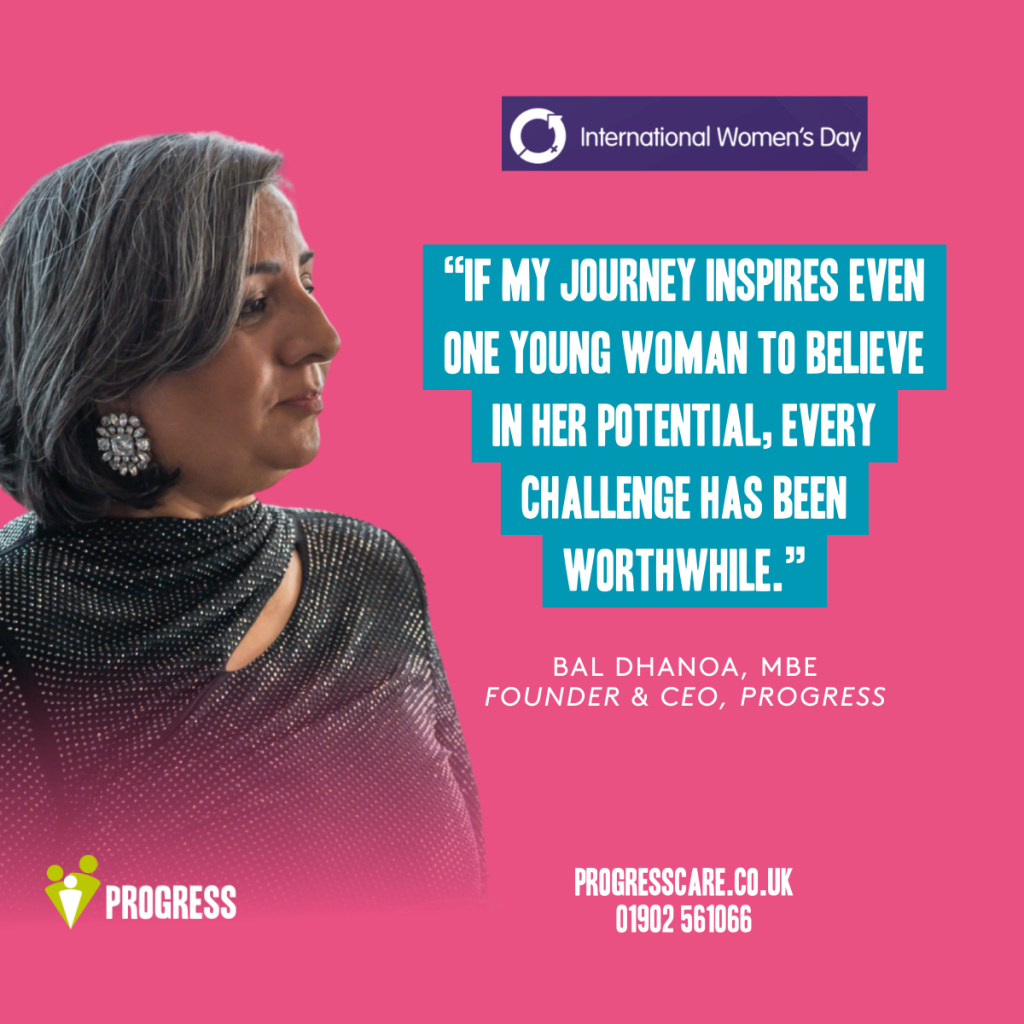
Progress Care Solutions mark International Women’s Day this week with celebrations at head office and a powerful reflection from Founder and CEO, Bal Dhanoa MBE, on her journey as a woman, leader and pioneer in the care sector.

Colleagues gathered at the Progress head office on Monday to celebrate the occasion with colourful decorations, balloons and cupcakes, creating a vibrant atmosphere to recognise the contributions of women across the organisation. The moment provided an opportunity to celebrate the impact women have had in shaping Progress over the past 25 years.

To mark the day, Bal Dhanoa MBE shared a personal article reflecting on her remarkable journey, from growing up in Britain as part of the first generation of British-born children of Indian heritage to building Progress into a leading care provider supporting children, young people and families.

In her reflection, Bal speaks about growing up between two cultures and balancing family traditions with her own ambitions. She recalls a childhood shaped by the music and culture of the 1970s alongside the responsibilities placed on young women within her community.

Education became a turning point in her life. It opened doors to a career in social care where she discovered a deep passion for supporting vulnerable children and families. Over time, that passion grew into a vision that would lead to the founding of Progress.

The early years of building the organisation were challenging. Bal balanced family responsibilities, a full-time career and significant personal risk to establish specialist fostering services and children’s homes at a time when opportunities for women in leadership were limited.

Despite the challenges, her determination to provide the highest standards of care never wavered. Over the years, that vision has grown into the organisation Progress is today, built on compassion, resilience and a commitment to excellence.

Reflecting on her journey, Bal highlighted the importance of resilience, education and believing in one’s own potential.

“If my journey inspires even one woman to believe in herself and pursue her ambitions without boundaries, then every challenge along the way has been worthwhile,” she said.

Women continue to play a vital role across every part of Progress, from frontline care teams and managers to senior leadership. Their dedication and professionalism remain central to the organisation’s mission of supporting children, young people and families.

International Women’s Day offered colleagues the chance to celebrate those contributions and recognise the many women whose work continues to shape the future of Progress.

Bal’s full International Women’s Day reflection can be read here on the Progress website.

Children’s Mental Health Activities Through Storytelling

In many care environments, routines provide structure and stability. But it is often the moments that invite imagination, curiosity and shared participation that leave the deepest impact. Over the past three weeks, activities at The Bridge reflected this in practice. National Storytelling Week and Children’s Mental Health Week unfolded, creating a natural opportunity to explore creativity, connection and emotional wellbeing through shared experiences.

Rather than treating these observances as separate calendar entries, staff used them as complementary themes. Storytelling became a way to build confidence and communication. Mental health focused activities offered space to reflect, connect and regulate. Together, they reinforced a simple principle: emotional wellbeing thrives in environments where young people feel engaged, supported and included.

The team went all out with the crafts

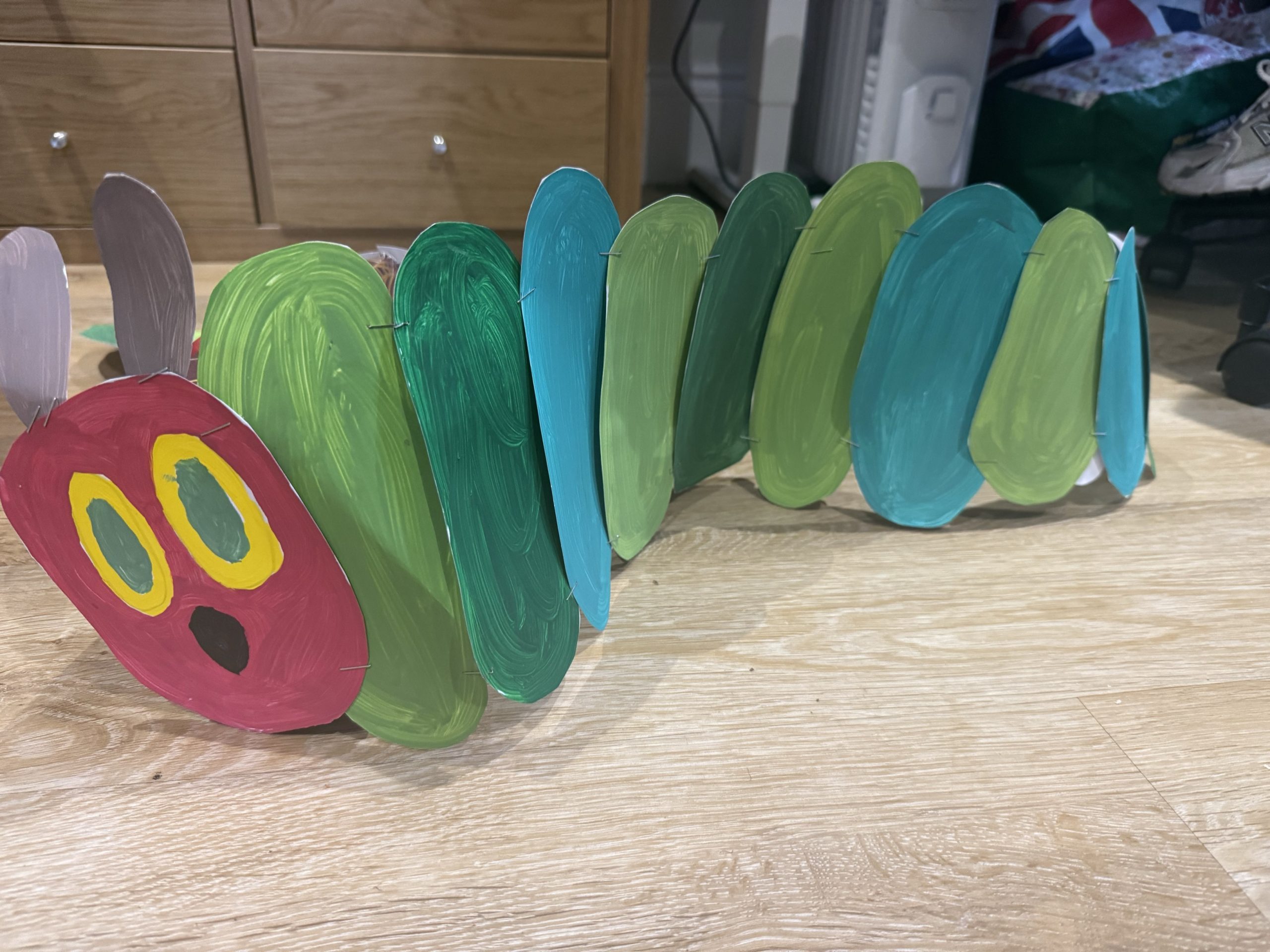
As part of National Storytelling Week, young people gathered for a sensory storytelling session inspired by The Very Hungry Caterpillar. Instead of passively listening, they experienced the story through multiple senses. As the caterpillar journeyed through the days of the week, visual prompts were introduced and children were invited to taste the foods featured in the story.

The responses were wonderfully unpredictable. Some embraced every flavour. Others rejected unfamiliar textures or tastes with theatrical determination. But the purpose was not compliance. It was exposure and exploration. Trying something new in a supportive setting builds resilience and confidence, both key contributors to emotional development.

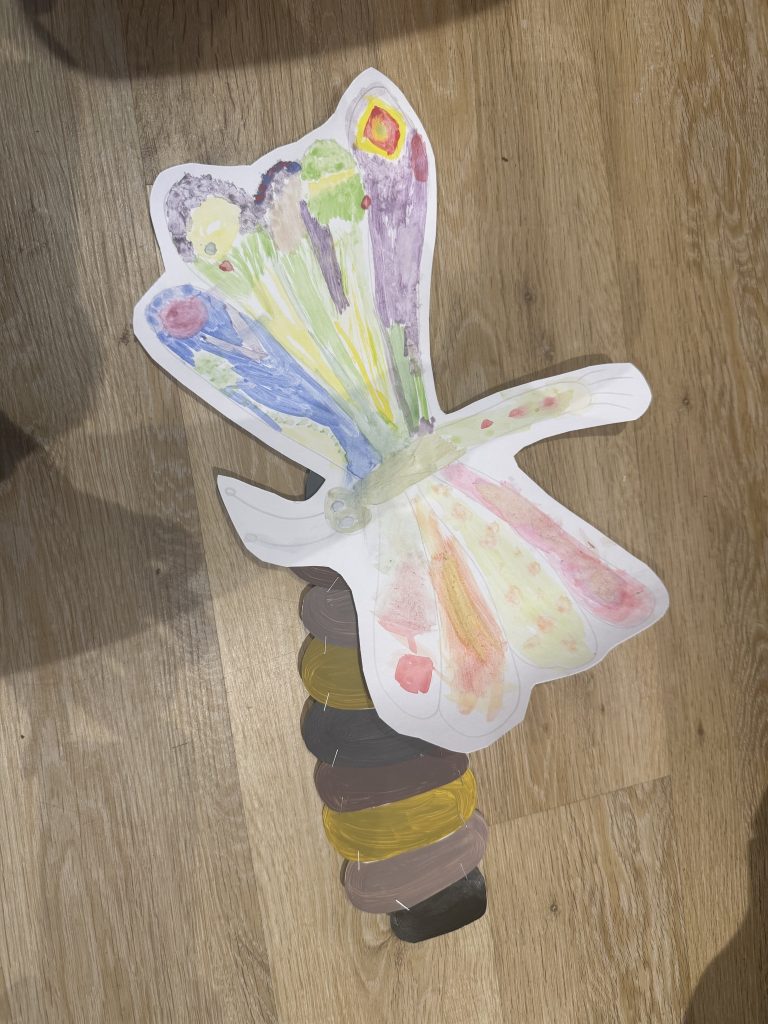
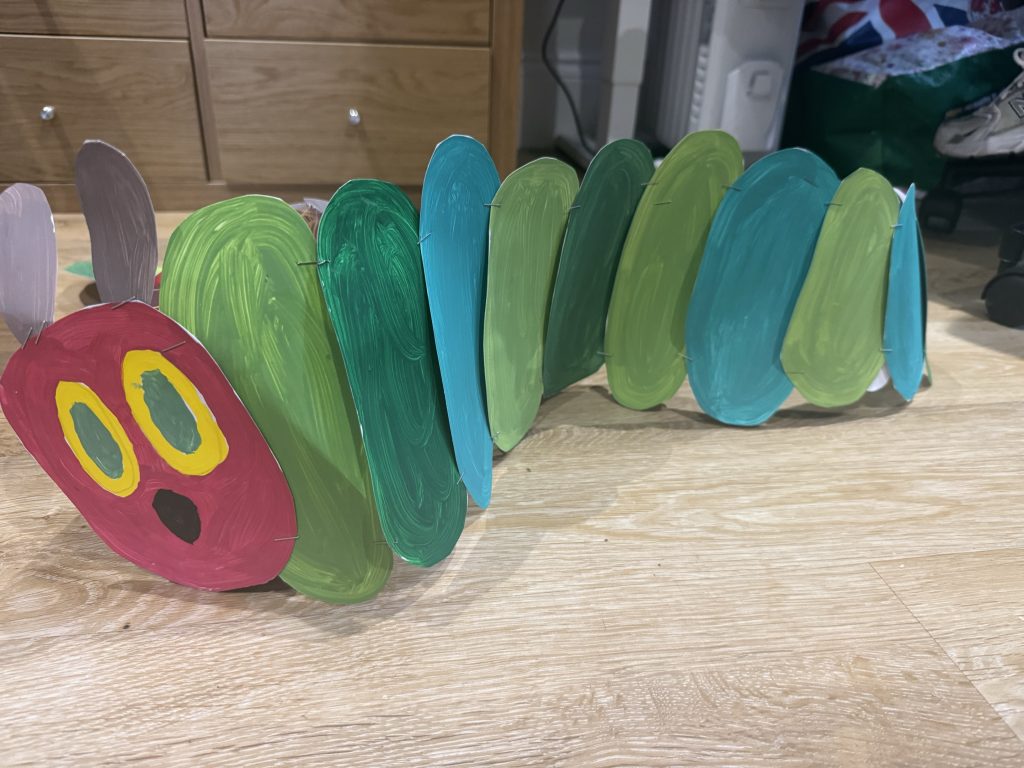
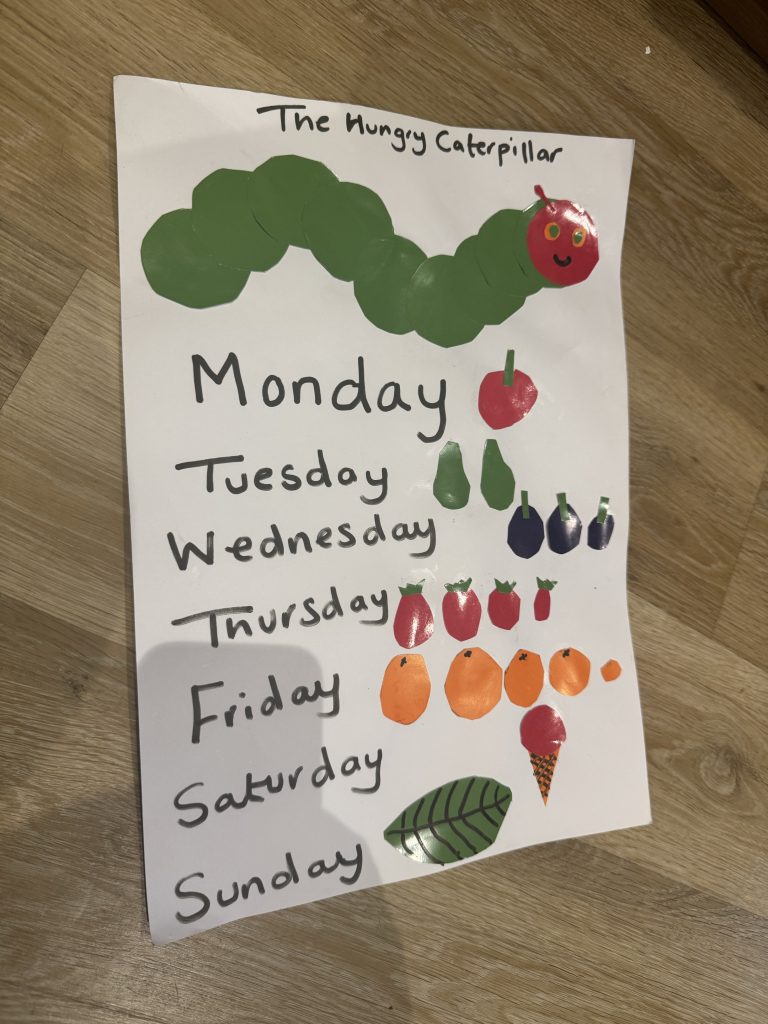
The environment itself reflected collective effort and creativity. Staff collaborated to design visual materials and artistic displays, while young people helped produce artwork used during the session. A hand-crafted caterpillar, a painted butterfly, and a calendar representing the days of the week transformed storytelling into something immersive and shared. Creativity became a vehicle for participation and belonging.

These moments of shared creation carry quiet psychological benefits. Collaborative activity builds trust, reduces isolation and strengthens self expression. When young people see their contributions valued, their sense of identity and self worth grows.

The Very Hungry Caterpillar

Why Shared Activities Matter

Planning activities around national and global observances is part of an intentional approach to engagement. Staff maintain a calendar of events that allows young people to feel connected to wider society while exploring new themes in meaningful ways. Yet the importance of these sessions extends beyond topical relevance.

In settings where individual living arrangements can sometimes encourage solitary routines, group activities provide vital opportunities for connection. They encourage interaction, laughter and shared learning. They also invite young people to try unfamiliar experiences without pressure, helping them develop coping strategies, curiosity and adaptability.

These qualities align closely with the goals of Children’s Mental Health Week, which emphasises emotional awareness, resilience and supportive relationships. Engagement through creativity and storytelling supports emotional literacy in ways that feel natural rather than instructional.

Throughout the week, activities were structured around themes that encouraged reflection and emotional development. Sessions focused on understanding feelings, recognising personal strengths, identifying emotions in others, and learning techniques to calm the body and regulate responses. Mindfulness, kindness and connection were also explored, culminating in reflective storytelling activities that allowed young people to process experiences in their own way.

By embedding these themes into daily engagement, the approach moves beyond awareness raising. It becomes lived practice. Young people are not only introduced to emotional wellbeing concepts but given practical tools and safe spaces to explore them.

The Very Hungry Caterpillar’s daily itinerary

What emerges from these initiatives is a philosophy grounded in empathy and participation. Activities are not treated as standalone diversions but as opportunities to strengthen relationships, encourage expression and nurture confidence. Whether painting props, tasting unfamiliar foods, discussing feelings or simply laughing together, each interaction contributes to an environment where young people can feel secure and valued.

National Storytelling Week illustrated the power of shared imagination. Children’s Mental Health Week has highlighted the importance of emotional understanding and support. Together, they demonstrated how creative engagement and wellbeing awareness are deeply interconnected.

Sometimes, supporting mental health begins with something simple. Sitting together. Listening to a story. Trying something new. Feeling heard. Feeling included. And discovering that growth often starts in those shared moments.

Congratulations to The Bridge’s Registered Manager, Nicole, Team Leader, Emily, the entire team and young persons there, for their successful activities that went beyond checking boxes to actually being intentionally impactful.

Progress Brought Celebration and Critical Conversation Together at Annual Foster Carers’ Conference and Awards Event

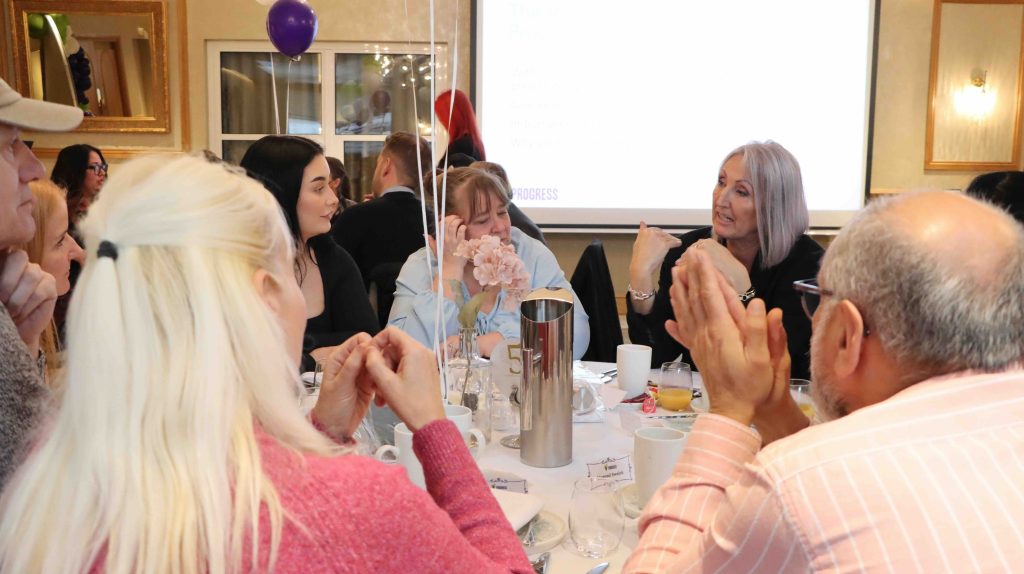
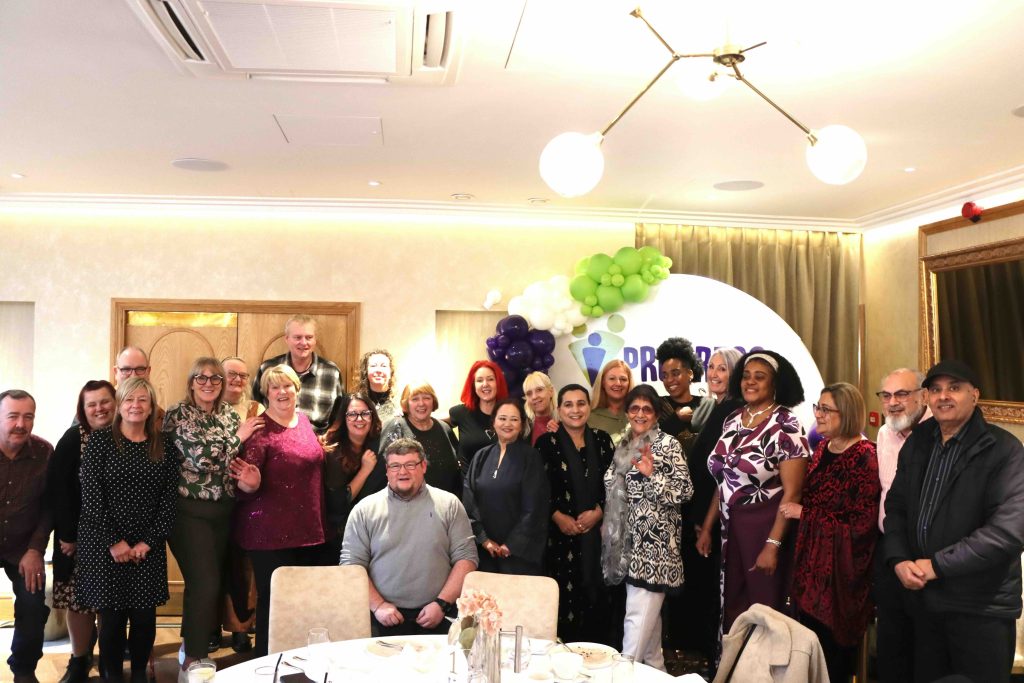
Progress brought its foster carers, residential teams, senior leaders, and corporate staff together this year for its Annual Foster Carers’ Conference and Awards, a day that combined celebration with honest reflection on the realities of fostering today. 

Held as a space to connect, learn, and recognise outstanding commitment, the conference also created room for open conversations about the emotional complexity of fostering, the needs of children in care, and the shared responsibility of supporting both. 

From the outset, the tone was clear. This was not only a day to applaud achievements, but to acknowledge the depth of the work foster carers do every day, often quietly and without recognition. 

Throughout the day, speakers returned to a central truth. Fostering is not simply about providing a placement. It is about offering safety, consistency, and care to children who may have experienced repeated loss and instability. 

During the facilitated sessions, fostering was described as a form of co-parenting. Foster carers open their homes and hearts to children, love them as their own, and walk alongside them through everyday life, while also navigating decisions that ultimately sit with local authorities and wider systems. 

This emotional contradiction was openly acknowledged. Carers were recognised not only for what they do, but for what they carry. The love, the uncertainty, and the resilience required to keep showing up even when outcomes are unclear. 

One of the strongest themes to emerge was the importance of recognising foster carers as experts in the lives of the children they care for. Their insight, gained through daily routines and shared moments, was repeatedly highlighted as vital to achieving stability and positive outcomes. 
Understanding children and supporting foster carers 

A key focus of the conference was understanding children’s behaviour in the context of their experiences. Speakers explored how behaviours often described as challenging are, in reality, expressions of fear, uncertainty, and attempts to test whether a placement will last. 

Children who have experienced multiple moves often develop protective responses. They push boundaries not to reject care, but to check whether the adults around them will remain when things become difficult. This understanding reframes behaviour as communication rather than defiance, and highlights the importance of patience, consistency, and relational safety. 

The sessions encouraged carers to reflect on how healing often happens in subtle ways. A child feeling safe enough to retreat to their bedroom. A calm night where nothing escalates. These moments, while easily overlooked, were recognised as meaningful progress. 

There was also acknowledgement that children do not heal on timetables. Stability, when it comes, takes time. The conference emphasised the value of slowing down, building trust, and recognising that presence itself can be transformative. 

Alongside discussions about children, there was a strong focus on the wellbeing of foster carers. Progress’ senior leaders spoke candidly about the emotional demands of fostering and the importance of creating a culture where carers feel supported, listened to, and able to speak openly without fear of judgement. 

The message was clear. Support is not just about processes and paperwork. It is about relationships, trust, and knowing that someone has your back when decisions feel difficult or when risk feels unavoidable. 

The conference highlighted that sustaining foster care depends as much on retaining carers as it does on recruiting new ones. Creating psychologically safe spaces, valuing carers’ voices, and recognising the emotional labour involved were identified as essential to keeping carers engaged and supported over the long term. 

Celebrating commitment and achievement 

Alongside these important conversations, the day was also a celebration. The Annual Foster Carers’ Awards recognised individuals and families who have gone above and beyond in their care, commitment, and advocacy for children. 

Awards were presented to foster carers marking significant milestones in their fostering journeys, those whose dedication has made a lasting difference to the lives of children and young people. Moments of reflection, shared stories, and visible pride filled the room as carers were thanked for the impact they have made. 

The conference also celebrated the wider Progress community. Residential managers, social workers, therapists, and corporate teams were recognised for the roles they play behind the scenes, supporting carers and children alike. The day reinforced the idea that fostering does not happen in isolation, but as part of a wider network working together to achieve stability and positive change. 
Looking ahead together 

As Progress Fostering Service continues to grow and evolve, the conference reinforced a shared vision. One that places children at the centre, values relationships over quick fixes, and recognises the people who make fostering possible. By bringing celebration and honest conversation into the same space, this year’s Annual Foster Carers’ Conference and Awards reflected Progress’ commitment to learning, to listening, and to supporting both children and the foster carers who open their homes to them. 

Above all, the day served as a reminder that fostering is deeply human work. It requires courage, patience, and compassion. And it deserves recognition, respect, and sustained support. 
 

Spring Meadow: Designed for the Next Step

When Dawn and Amanda talk about Spring Meadow, they keep coming back to one idea. This is not a place where life pauses. It is a place designed to help young people move forward. Spring Meadow is the newest short breaks service from Progress, and for its deputy manager and registered manager, it represents a clear shift in what support can look like when a home is built with purpose from the ground up. 

The journey to get here has not been quick. For nearly a year, plans changed, dates moved and expectations had to be carefully managed. Staff were shown images, talked through ideas and asked to be patient while the building slowly took shape. Dawn and Amanda describe it as a lesson in persistence, but also in trust. Trust that the wait would be worth it. 

Now that Spring Meadow is finally opening its doors, the focus is firmly on what comes next for the young people who will live there. 

At the heart of the service is independence. Not independence as a buzzword, but independence in the small, everyday moments that shape adult life. Cooking meals. Cleaning. Doing laundry. Taking responsibility for shared spaces. Being part of a household, rather than simply living in a building. 

“This is a home,” Amanda explains. “Not a three-storey block shared with others, but a proper house where young people can contribute to all aspects of daily life. That sense of belonging makes a huge difference.” 

Space plays a big role in that. At Spring Meadow, the environment works with the support, not against it. Adaptations are built in. Rooms are purposeful. Young people can choose calm or activity, privacy or connection. 

For Dawn, that difference is transformative. “The space alone reduces triggers,” she says. “Young people do not have to be on top of each other. They can step away, regulate themselves and come back when they are ready.” 

The garden has become a symbol of what Spring Meadow stands for. There are plans to grow fruit and vegetables, bring them into the kitchen and prepare meals together. It is about understanding where food comes from, making healthy choices and taking pride in something you have helped to create. 

But the thinking goes further. Dawn and Amanda talk about future possibilities. Small enterprise ideas like sharing produce with other services. Building confidence that could lead to volunteering or work placements. Each step is designed to gently prepare young people for supported living and life beyond the service. 

“It is about the next destination,” Dawn says. “Helping them feel ready for whatever comes after this.” 

Location matters too. Spring Meadow sits in a quieter, greener area, away from heavy traffic and constant noise. Windows can be opened to fresh air and birdsong instead of engines. For young people with complex health needs, that calmer environment is more than pleasant. It supports wellbeing in a very real way. 

At the same time, the service is not isolated. Shops, buses and transport links are still close by, giving young people access to the wider community while enjoying the benefits of a peaceful setting. Dawn describes it as the best of both worlds. 

The team is also thinking carefully about culture and identity. With more space comes the ability to celebrate properly. Not just Christmas, but different religions, cultures and traditions throughout the year. Food, music and decorations will be shaped around the young people who live there, with families involved where needed. For Dawn and Amanda, these moments are not extras. They are part of preparing young people for adult life. Learning about each other. Sharing experiences. Feeling seen and respected. 

Staff preparation has been just as deliberate. A detailed service manual, walkthroughs, short videos and phased inductions are all part of helping the team feel confident in a new and much larger environment. The expectation is not perfection from day one, but curiosity, creativity and a willingness to support young people to take their next steps. 

“It will feel overwhelming at first,” Amanda admits. “But once staff see the young people thriving, they will thrive too.” Spring Meadow is ready. Ready to support a wider range of needs. Ready to remove barriers. Ready to help young people move forward with confidence.  

When asked to sum it up, Amanda calls it holistic, calming and beautiful. Dawn chooses a simpler word. 

“Magical,” she says. “Because in this home, we really can make a difference.” 

Designed for the next step, Spring Meadow is exactly that. A place where growing up is supported, independence is nurtured, and the future feels a little closer than before. 

Inquire about our short break offerings today. Send an email to our Placements Team: referral@progresscare.co.uk