

Stourbridge House’s Next Chapter Starts Here

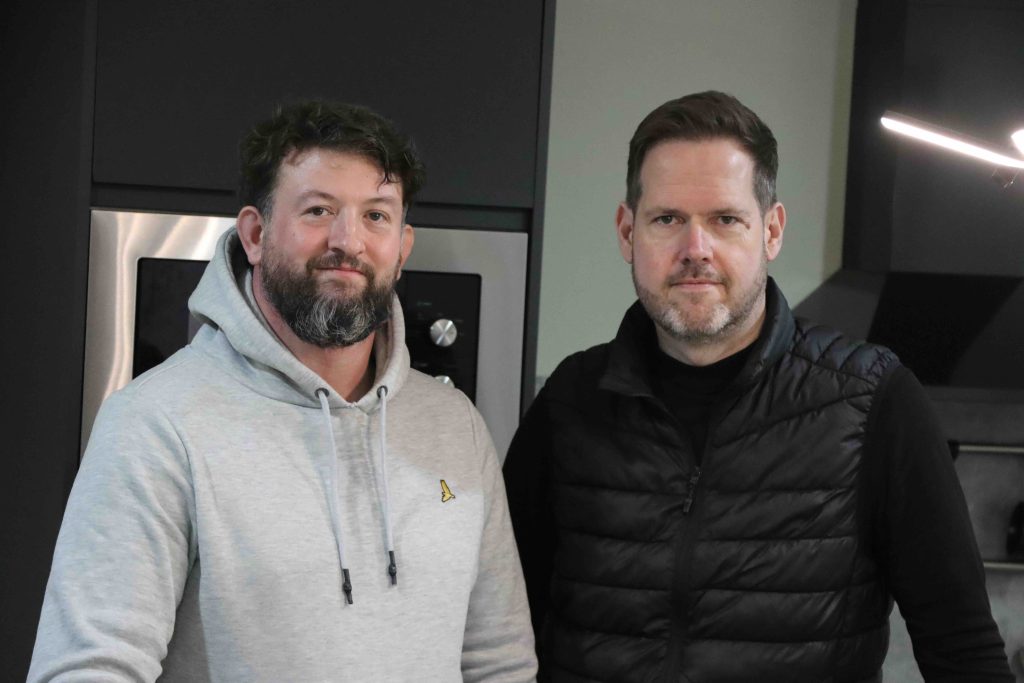
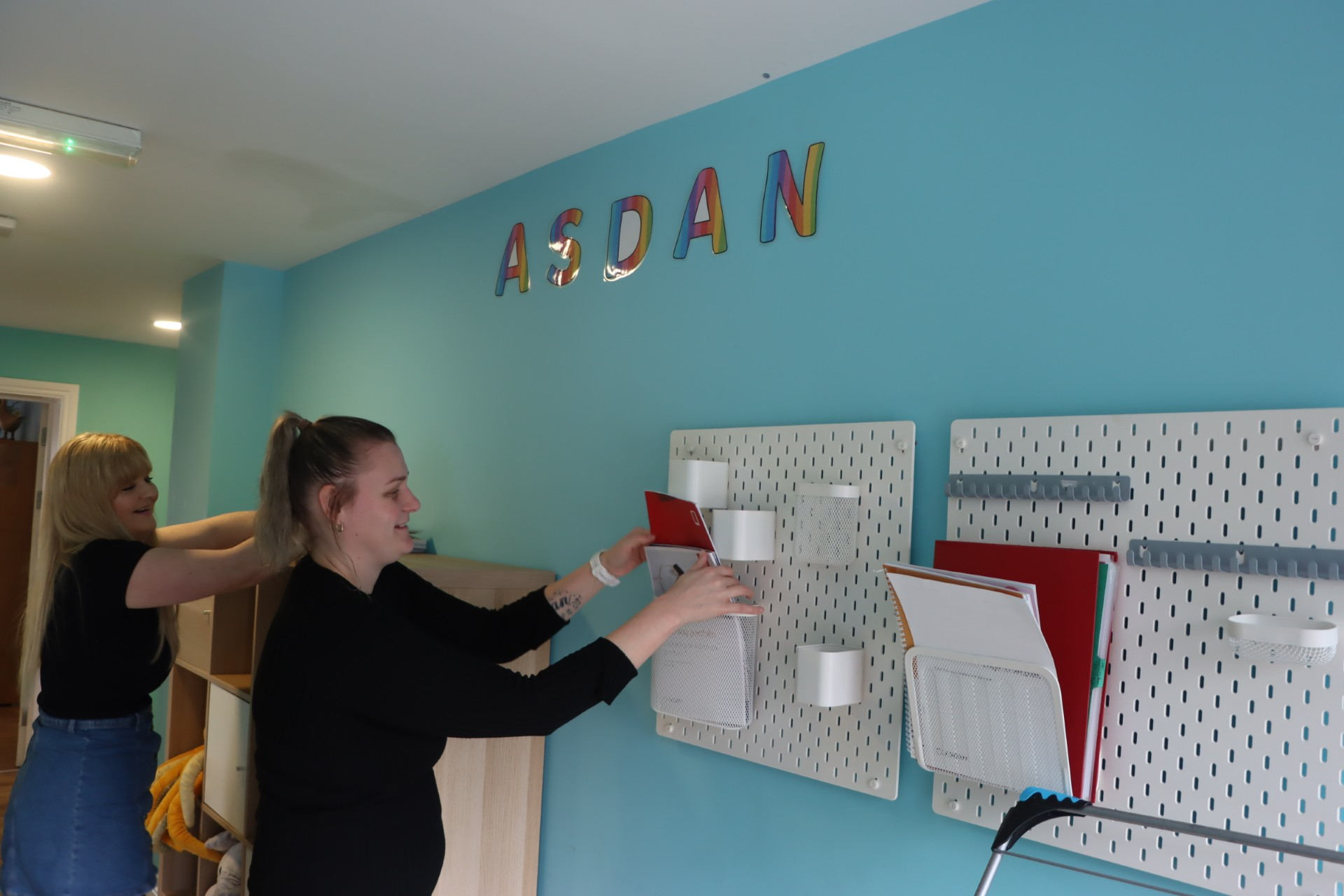
Amanda and her team members have now gotten used to life at Spring Meadow. During their last days at (and as) Stourbridge House (Adults), she reflected on the service’s impacts, journey, fond memories, its transformation and what she’ll miss the most. Her answer was quite surprising. 

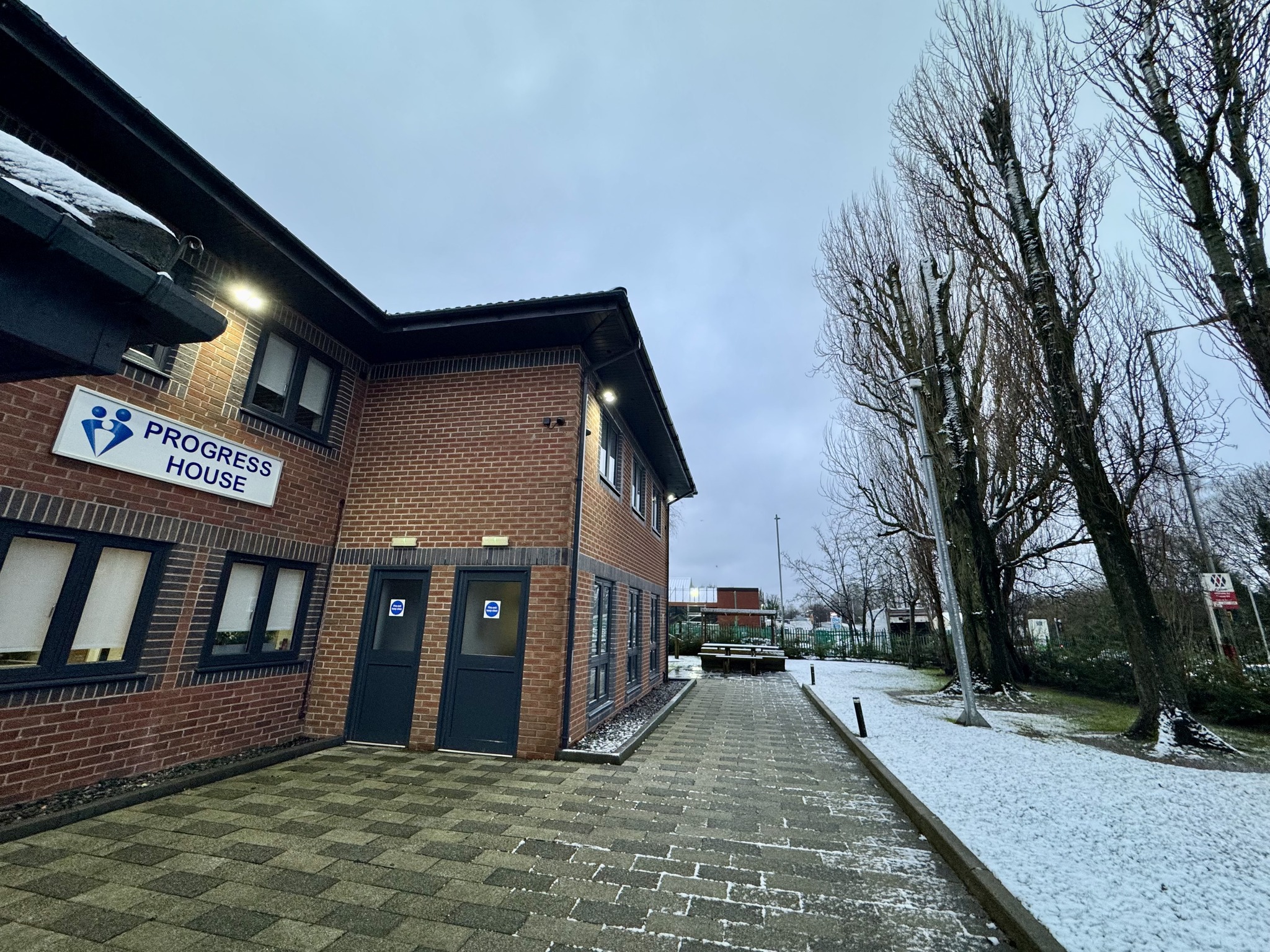
Before the new building, before the referrals, before the first family walked through the door in crisis, there was only a vision. Progress’ belief that care could be done differently. For years, the walls of Stourbridge Adults held more than just the routines of daily care. They have absorbed laughter, stress, quiet breakthroughs, and the steady rhythm of a place determined to make a difference where the system often falls short. Though modest, it has become a trusted refuge for families in crisis and a launchpad for young adults with disabilities stepping into independence—now at the end of one chapter and the beginning of its next. 

Amanda Pugh, the service’s first and current registered manager at Spring Meadow, has led with a commitment that has shaped the culture of care from the very beginning. “Some providers won’t take some young people due to behaviours,” she said. “But we don’t refuse on that basis. If we have the skill set, we support them.” 
The service has built its reputation not just through official referrals but through word of mouth among parents seeking hope and practical help. Families who once stood on the brink of breakdown have found relief, rest, and dignity through the support provided here. And many of the young people who entered unsure of their next step have since moved into homes of their own. 

Among the many success stories that pass through these doors, Pugh is especially moved by Matthew’s. “His mum had it really hard,” she said. “Having him here meant she could get a good night’s sleep, even go on holiday with her daughter. It gave her a piece of her life back.” 

There are other stories, too, of young people who once struggled to express themselves, now confidently advocating for their own futures. Of families who had lost faith in the system but regained trust through the service’s consistent support. Pugh recalls one parent who broke down in tears during an assessment, not out of frustration, but relief that someone was finally listening. 

The transformation isn’t just in the individuals but in the atmosphere of the service itself. Staff are trained to respond not simply with policy, but with presence. Over the years, Pugh has seen carers develop relationships that go far beyond checklists—teaching cooking, managing emotions, navigating friendships. In quiet moments, the young people have learned how to communicate preferences, manage stress, and build daily routines that support independence. 
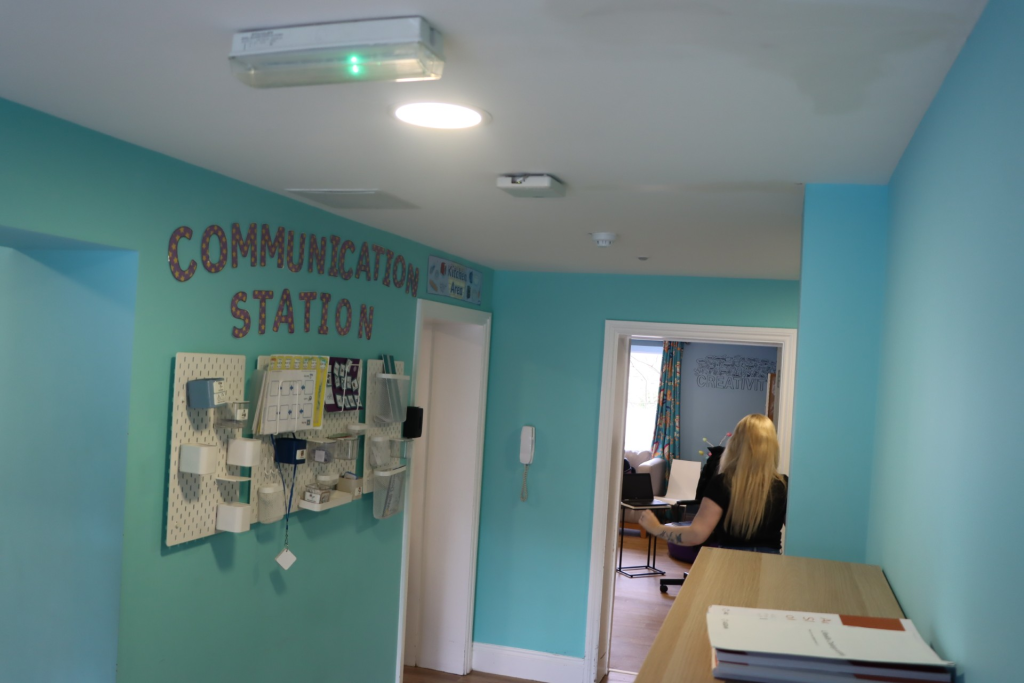
But the building that once felt expansive now strains at the seams. The adults who once arrived as young people have grown taller, stronger, more complex. So too have their needs. A new facility, Spring Meadow, is on the horizon—larger, quieter, and built with therapeutic principles at its core. 

“We’ll have sensory gardens, more open space, and larger rooms,” Pugh explained. “So when someone needs quiet, they don’t have to retreat to a bedroom. They’ll have choices.” 

The outdoor space will also see dramatic improvement. The new space will allow for movement, nature, and calm. For individuals prone to sensory overload, that shift could be life-changing. 

The service has also rolled out “Pathway Journals,” where service users track milestones in independence, document progress with photos, and receive certificates recognising achievements. These journals aren’t just administrative tools. They are, as Pugh sees them, mirrors reflecting each person’s journey into adulthood. 

“It’s about helping them communicate their choices, their beliefs, and what they want to do next,” she said. “We want them to see their own growth, not just be told about it.” 

As the service as now completed its relocation and transformation, Pugh was measured in her sentimentality. She knows what has worked, and she knows what must change. “We thought about replacing quite a lot,” she said. “This building was okay when we were small. But now, our adults need more space.” 

What will she miss? “Honestly,” she paused. “Maybe the memories. But everything that matters, we’re taking with us.” 

From Progress’ Nightingale House to Windsor Castle

On a winter morning, before the traffic thickened on the motorways and before the gates of Windsor Castle opened to welcome hundreds of guests, Caroline, a residential support worker with Progress’ Nightingale House in Derby was already having what she would later describe as “the best and worst day of my life.”

The worst part came first.

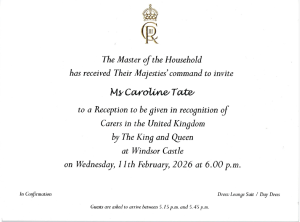
She had set out early for a royal reception honouring care workers. The invitation alone had been surprising. Weeks earlier, the Care Workers’ Charity had contacted her: the King and Queen wanted to host a special event recognising the contribution of carers across the country. Not everyone could attend, of course, but a handful had been selected.

Caroline was one of them.

“It wasn’t the charity that picked us,” she recalled. “It was the palace.”

For a care worker used to long shifts, medication charts, and the quiet rhythms of supporting people with complex disabilities, the idea of being invited to a royal reception felt surreal. But she got in the car anyway and began the journey south.

Then everything went wrong.

Somewhere between leaving home and pulling into Toddington services on the M1, she realised something was missing. Actually, several things were missing.

Her phone.
Her sat-nav.
Her bank card.
Her money.
Even her ID.

Everything was in the phone she had left behind.

“I had a little mini meltdown in the toilet,” she said, laughing now at the memory. But at the time the panic was real. Without navigation, without money, and without the identification required for entry into the castle, the trip suddenly felt impossible.

Still, she carried on.

She knew one thing at least: don’t turn left onto the M25 motorway toward Brighton and Gatwick. Instead, she aimed toward Heathrow. Stuck in traffic, she asked a van driver if she was heading the right way. He didn’t know.

Another passenger leaned forward and offered advice.

“Come off at Heathrow,” he told her. “Join the M4 motorway and follow the signs for Legoland Windsor. That’s near Windsor.”

And somehow, that worked.

She arrived thirsty, stressed, and still without money—but she arrived.

The royal invitation

A room full of care

Inside the castle, the atmosphere felt worlds away from motorway panic.

The reception gathered care workers, advocates and public figures who had personal experience with caring for loved ones. Among the guests were politicians, including Prime Minister Keir Starmer, and well-known figures who had spent years supporting relatives through illness.

But the centre of attention was the King.

When King Charles III entered the reception room, Caroline noticed something unexpected.

“He’s smaller than he looks on television,” she said. “And a bit frailer.”

The monarch had been undergoing treatment for cancer, and the signs of illness were visible. His hair, once grey, had turned nearly white.

Yet when he spoke with guests, something else stood out.

“When he smiled and talked to you, he seemed genuine,” Caroline said. “He really seemed to care about what you were saying.”

The King attempted to greet nearly everyone in the room. When he reached Caroline’s group, he shook hands and thanked them collectively for their work.

For many in the room, that recognition mattered deeply.

Care workers often feel invisible. Their work—feeding, bathing, calming distress, celebrating tiny milestones—happens quietly behind closed doors.

But in that moment, inside the castle, the work was seen.

“What he did putting that reception on for us,” Caroline said, searching for the right word, “it was appreciative.”

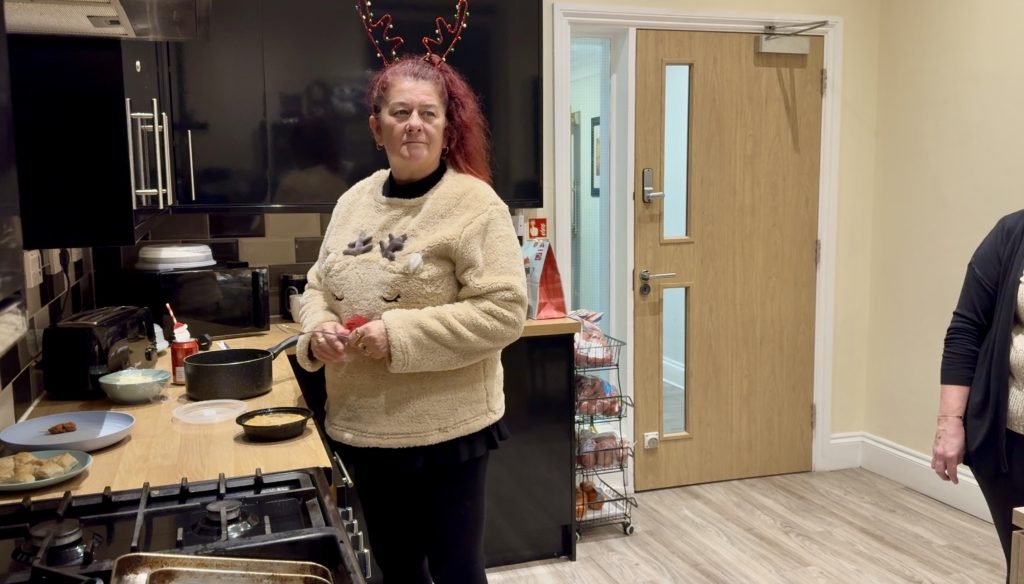
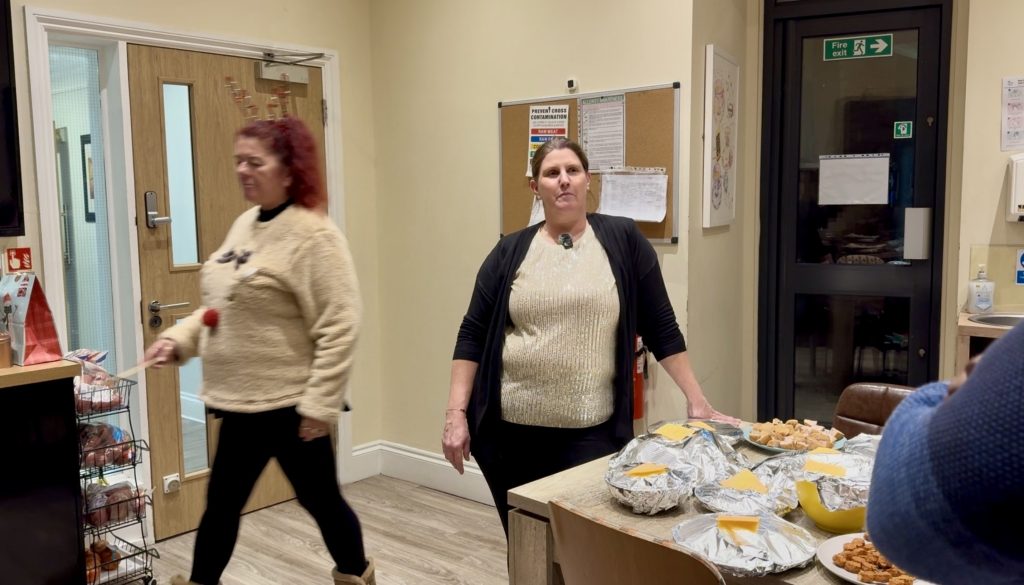
Caroline on duty at Nightingale House’s Christmas party 2025

A profession often overlooked

Caroline has worked in care for about a decade. Before that, she had done other jobs, but none had felt quite as meaningful.

“I wish I’d done it sooner,” she said.

Care work, she believes, attracts a particular kind of person.

“Anybody who applies for these jobs—they’re caring people anyway. Otherwise they’d be working somewhere else.”

Still, recognition doesn’t always match the demands of the job. Care workers across the UK frequently speak about low pay, staff shortages and limited public understanding of what their work entails.

“They say we’re untrained, low-wage workers,” she said. “But someone stacking shelves couldn’t walk into here and do this job. And yet we could go and stack shelves.”

The comment reflects a broader frustration across the sector: the complexity of care work often goes unseen.

At Nightingale House, Progress’ adult residential service in Derby where Caroline works, residents live with severe disabilities. Many are non-verbal. Progress can be slow and subtle.

But sometimes a moment arrives that changes everything.

One resident had always resisted physical contact. “He doesn’t like being touched,” Caroline explained. “If you try to hold his hand, he pushes you away.”

After months of working patiently with him—sitting nearby, talking, building trust—something shifted.

“One day he grabbed my hand and held it.”

For an outsider, that might sound like a small thing.

“For me,” she said, “that’s massive.”

Back at Windsor, the day’s difficulties were not over. Caroline still had no money. But care workers, she says, look after each other too.

Inside the reception she met another attendee, Georgia, who had heard about the motorway ordeal.

“She just shoved some money in my hands,” Caroline said. “She said, ‘Give it me back when you can. You might need fuel. You might need a drink.’”

The gesture was simple but powerful.

“This is just the kind of people we are.”

Finding a voice

Beyond the reception itself, Caroline has recently been involved in advocacy through Progress-backed The Care Workers’ Charity, helping amplify the voices of frontline staff.

The work has taken her into rooms she never imagined entering—from conferences to meetings with regulators such as the Care Quality Commission.

“For years the only time you heard from them was when they were visiting,” she said. “Panic, panic, panic.”

Now, she’s part of conversations shaping how care is delivered and regulated.

“It’s nice to have a voice,” she said. “I’m not really one for speaking in front of people, but it’s nice to know someone somewhere is listening.”

The advocacy has also highlighted another issue close to her heart: the treatment of international care workers. Many migrant carers arrive in the UK under strict visa conditions and face uncertain pathways to citizenship.

Some, she says, endure harsh working conditions.

“We’re lucky where we are at Progress,” she said. “But there are some real nightmare stories out there.”

The hope is that collective voices can help push for change.

Screenshot

Back to everyday care

By the time Caroline returned home, the royal reception had already begun to feel unreal.

At work the next day, colleagues teased her about curtsying etiquette and asked for stories from the palace.

But life quickly returned to its familiar rhythm.

There were residents to support, hydrotherapy sessions to attend, baking activities in the kitchen, and daily routines that make up the heart of care work.

One resident laughs uncontrollably when he’s in the hydrotherapy pool. Another enjoys trips on the bus to nearby towns. These small moments—shared laughter, a held hand, a successful outing—form the real rewards of the job.

And that, Caroline says, is what people outside the sector often miss.

“We just take our caring personalities,” she said, “and do it as a job.”

The royal reception may have lasted only a few hours, but the recognition it represented carried weight. For one day, the quiet work of care stepped into the spotlight—right inside Windsor Castle.

And for Caroline, the memory will always include two things: the panic of navigating motorways without a phone, and the moment a king looked her in the eye and said thank you.

We have exciting career opportunities at Nightingale House in Derby and across Progress’ services across West Midlands. Check out our latest career opportunities: progresscare.co.uk/jobs 

How James Found His Place in Care at Progress

I never thought I’d be in care. But if you don’t give it a go, you won’t know. 

When James talks about work, he doesn’t start with job titles. He starts with people.  For 25 years, his career lived in sales and customer service—banks, telesales, property management, social media. Roles that demanded patience, persuasion and, above all, an ability to read the person in front of him. Trustworthiness mattered. Reliability mattered. Treating people as individuals mattered most of all. What didn’t seem to fit, at least not on paper, was care. 

“For years, people kept saying to me, ‘You’d be good in care,’” James says. He always brushed it off. Sales suited him. Customer service felt familiar. And there was one thing he couldn’t quite get past: personal care. “That was the massive thing for me,” he admits. It felt like a line he wasn’t sure he could cross.  So he kept going. Long hours. New roles. Same people-facing work. Then, at a job fair in Molineux Stadium in Wolverhampton, something shifted. 

James wasn’t there looking for career opportunities in care. He wandered past stalls on internet security, imagining himself there quite comfortably. And then he turned and saw Progress. Louise and the rest of the team from Progress were standing there. Care, again. It seemed to keep appearing at moments of change in his life. 

“I must have looked puzzled,” he laughs. Louise noticed and asked the question James had been dodging for years: had he ever thought about working in care? 

He was honest. Kind of. But the personal care aspect had always put him off.  Louise didn’t push. She simply suggested he give it a go.  That was it. No grand speech. No pressure. Just permission to try. James wanted something different. After decades in customer service and sales, he was ready for a new challenge—one that still involved people, but in a more meaningful way. He wanted flexibility. He wanted something he could stay with. Something that felt rewarding, not just financially, but personally.  Care, he realised, might be that thing. 

His first day at Progress came with nerves. He started on 8 December, walking into induction at the Head Office apprehensive, unsure what to expect. Those nerves didn’t last long. “The staff were lovely,” he says simply. “The building is great. Such a nice place to have.” What stood out most was how visible leadership was. Claire, the Managing Director, was there delivering parts of the training herself. It made an impression. This wasn’t a distant organisation. It felt present. The very next day, James was in someone’s home. 

“That was intimidating,” he admits. “But it happened.” 

He wasn’t thrown in at the deep end. The first shifts were about watching, listening, learning the environment, understanding the person he was supporting and the colleagues alongside him. He learned how behaviours could shift, what might trigger them, what might soothe them. He learned that care isn’t just about tasks—it’s about awareness. One of the young adults James supports has complex needs. At first, the complexity felt like a lot to process. But then James reframed it, the way he always has with people. 

“You start thinking about what issues they’ve had in their life,” he says. “And then you think, how can I help?” 

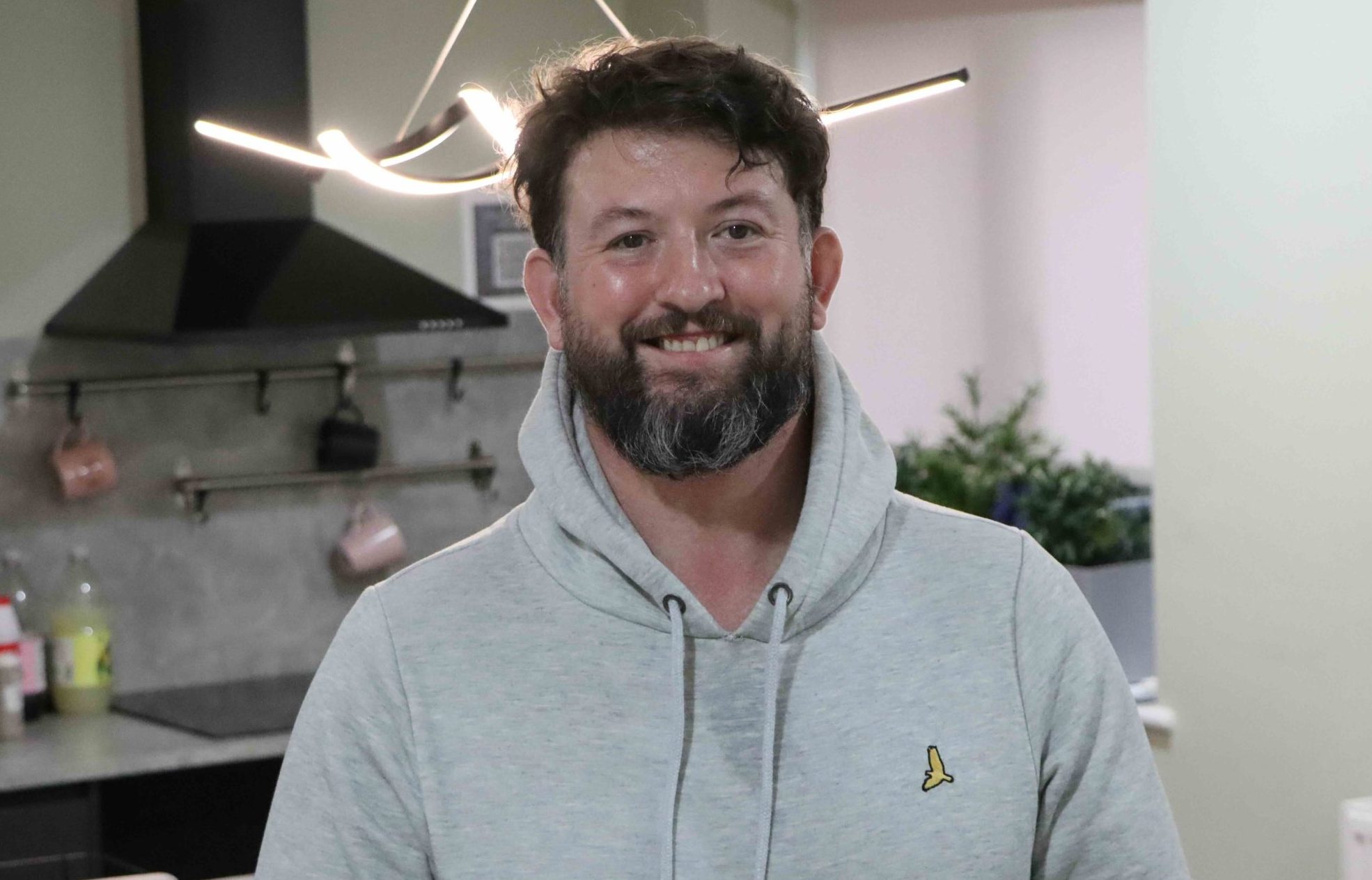
James and Phil, head of Adult Services, Progress

That question now guides him into every shift. “How can I make this person’s day better?” Sometimes that looks like supporting daily activities. Sometimes it’s going out—to Dudley, for example—trying to keep up with someone who moves much faster than you do. Sometimes it’s snowball fights. Sometimes it’s simply being present. 

Not everyone James works with is verbal. That brings a different challenge: learning how to communicate care without words. A gentle touch on the shoulder. A calm presence. Small gestures that say, I’m here, you’re safe. There are moments that stay with him. One service user, in a wheelchair, greets him loudly and joyfully—“Hi! Hello, trouble!”—and dances whenever music comes on. At Progress Christmas Party, the joy was infectious. Another moment caught James off guard more quietly: after only three visits, that same person greeted him by name. 

“That touched me,” he says. “He knows my name already.” 

It’s in those moments that James feels the difference he’s making—and the difference the job is making to him. Care isn’t easy. The hours can be difficult. The needs are complex. Patience is essential. There’s repetition, unpredictability, emotional weight. But James doesn’t shy away from that.  “You’ve got to be focused on the individual,” he says. “You’ve got to be patient. Loyal. Respectful.” 

He sees care as an extension of everything he’s done before. Managing people’s lives, in many ways, isn’t so different from managing teams or handling complaints—it just carries far greater responsibility. The skills transfer. The stakes are higher. Training has been intense, but James welcomes it. He’s tech-savvy, comfortable with computer-based learning, and he understands why the foundation matters. Safeguarding. Medication. Fire safety. Epilepsy. Autism. Each course adds another layer of confidence. 

Recently, he was signed off to administer medication. The first time doing it alone was daunting. “You’ve got to be on your game,” he says. “A tiny mistake can have a massive effect.” He’s developed his own careful process, backed by the knowledge and support of colleagues, mentors and managers who encourage questions rather than discourage them. 

“I ask loads of questions,” he laughs. “And they always reply.” 

That support has made all the difference. James feels trusted, prepared, and backed to succeed. 

One month in, he doesn’t see this as a stopgap or a trial run. He sees a future. He wants to progress within Progress—maybe into a team leader role, maybe into management. He wants to build a career that matters.  Not just for the pay, but for the reward of knowing he’s helped give someone a better life. 

“I never thought I’d be in care,” James says. “But if you don’t give it a go, you don’t know.” 

Now he does. And he’s glad he stopped at that stall.

Progress has rewarding career opportunities. Visit progresscare.co.uk/jobs for the latest career opportunities.

Spring Meadow according to its Team Leaders

When Chloe, Caitlyn and Mary talk about Spring Meadow, they don’t start with the building. They start with how it feels. 

They talk about space. Real space. The kind that gives people room to think, to calm down, to try things without feeling rushed or crowded. For them, Spring Meadow is not just a new service. It is a chance to do what they already believe in, but in a way that feels calmer, kinder and more intentional. 

Spring Meadow is the newest service from Progress, and for its team leaders, it feels like a fresh chapter built on familiar values. 

“It’s the same foundation of care we already have,” Chloe says. “Just on a bigger scale. There are more opportunities for staff, and more opportunities for young people. It really does feel bigger and better.” 

That word, space, keeps coming back. Where they are now, rooms are compact and privacy can be hard to find. One to one time sometimes means working around noise and movement. At Spring Meadow, there are breakout areas, quiet rooms and outdoor spaces that make those moments easier and more meaningful. 

Mary describes it as a clean slate. “We’ll have our own space and our own identity. Staff can step away when they need to. Young people can do the same. Everyone has room.” 

Preparing for the opening has been as thoughtful as the building itself. Staff have been talked through what the new service will look like and shown photos. Young people have been asking questions, lots of them, and the team is taking time to make sure transitions feel safe and familiar. 

“We’re thinking about it from their point of view,” Chloe explains. “How do we make this feel like home from day one?” 

Caitlyn adds that they are even creating a simple guide to the service, explaining the rooms, equipment and daily routines. “It’s about confidence,” she says. “We want staff and young people to walk in and feel comfortable straight away.” 

A typical day at Spring Meadow will look different from what they are used to. With more indoor and outdoor space, activities can happen naturally instead of being squeezed in. There are plans for gardening and small allotments where young people can plant seeds, watch them grow and bring produce into the kitchen. 

“It’s about everyday life,” Chloe says. “Seeing food grow, preparing it, understanding healthy choices. But also having the time to sit with someone and really talk.” 

One to one sessions will be easier too. The team leaders talk about having proper space for key worker conversations, without distractions, and without other young people feeling crowded out. 

Celebrations will also change. At their current service, decorations have to be limited and carefully placed. At Spring Meadow, the team is already imagining something bigger. Decorating inside and outside. Personalising bedrooms. Even creating a Christmas grotto. 

“It’s about making it an experience,” Caitlyn says. “Not just putting decorations up, but creating memories.” 

Spring Meadow is also being shaped as a place that connects with others. With more room comes the chance to host events, welcome other services and build stronger links with the local community. 

Looking back on 2025, they describe a year full of change. Young people moving on to supported living or college. New young people arriving. New staff joining. The team growing quickly and learning together. 

“It’s been busy,” Chloe says. “But it’s also been a year of learning and adapting.” 

Spring Meadow feels like the natural next step after all that movement. A place designed around the people who will use it. A place where support can be shaped around interests, goals and everyday moments, whether that is learning to cook, spending quiet time in a relaxation room, or simply planting seeds and watching them grow. 

For Chloe, Caitlyn and Mary, Spring Meadow is not just fit for purpose. It feels right. 

“It really is a fresh start,” Caitlyn says. “For the young people, and for us too.” 

Come and meet us – no pressure, no application required

Sometimes, the hardest part of applying for a new job isn’t the form or the interview.
It’s figuring out whether a place actually feels right. 

That’s why, this Friday, our adult supported living service, The Hub, is opening its doors for something a little different. We are kickstarting an informal drop-in session for anyone who’s curious about working at The Hub. No presentations. No pressure. Just a chance to come in, meet the people behind the roles, and ask whatever questions you might have. 

Whether you’re actively job-hunting, thinking about a change, or simply want to understand what working in care at Progress is really like, you’re welcome. 

Why we’re doing this 

We know that applying for a role in care is a big decision. Many people want to understand the culture, the support, and the day-to-day reality before they commit to an application. Some want to talk things through first. Others just want to get a feel for the place. 

As Rachael, registered manager for The Hub, put it during planning: sometimes people don’t want to “start the job journey” straight away, they just want to find out a bit more. This drop-in is designed for exactly that. 

What to expect on the day 

If you come along, you’ll be able to: 

  • Meet members of the team and team leads 
  • Ask honest questions about roles, shifts, pay, and progression 
  • Learn more about our services and how we support staff 
  • Get a feel for whether Progress might be right for you 

You don’t need to bring a CV. You don’t need to prepare anything. You don’t even need to decide whether you want to apply. This is simply about conversation. 

We’ve found that some of the best conversations and strongest potential candidates are people who just walk in and start talking 

If you’re curious, that’s enough 

You don’t have to be sure.
You don’t have to be ready.
You just have to be curious. 

If you’ve ever wondered what makes Progress different, what support really looks like behind the scenes, or whether a role in care could be right for you, we’d love to meet you this Friday. 

Sometimes, the best first step isn’t an application, it’s a conversation. 

National Compliment Day Revealed the Heart of The Hub

“You are similar age as my son, but I don’t think my son can do what you are doing, you are a young and hardworking person.” 

In the care sector where outcomes are usually measured in care plans and progress reports, there exists an unseen architecture. It is built of small, human moments—the shared silence over a cup of tea after a difficult day, the infectious laugh that cuts through morning fatigue, the quiet nod that says, “I see you, and you’re not alone.” At The Hub, Progress’ Adult Supported Living Service, this architecture is their most vital asset. Recently, they paused to survey its blueprint.  

For National Compliment Day held over the weekend (on Saturday 24 January 2026), the staff put pen to paper to celebrate one another. What unfolded was a profound map of human connection—dozens of individual testaments to the kindness, strength, and humour that form their foundation. 

To read these pages is to step into the warm, bustling heart of the team. It is to understand that before a single young person is supported, the supporters themselves are engaged in a continuous, gentle practice of holding each other up. This is the story of that practice, told in their own words. 

Chapter 1: The Keepers of the Flame – Cultivating a Human Atmosphere 

Some people don’t just fill a room; they shape its very climate. Here, these individuals are acutely valued. They are the ones who make the space feel safe, warm, and genuinely welcoming, often simply through their presence. 

One colleague is celebrated in these terms: “You are such a genuinely kind and supportive person. Your positive attitude and willingness to help others never goes unnoticed, and you make the workplace a nicer place to be just by being you.” This is perhaps the ultimate compliment in a caring profession—to be told that your essence makes the environment better. It is a quiet, pervasive magic. 

This magic takes many forms. For one, it is a radiant consistency: “You always have a smile on your face and lovely things to say and have a positive attitude.” Their presence is described as “always happy, uplifting those around him and creating a welcoming atmosphere.” For another, it is in a simple greeting: “a lady who has always greeted me with the warmest smile and kind words.” These are not superficial traits; they are the bedrock of psychological safety. In an environment that regularly holds the weight of vulnerability, such consistent warmth is a beacon. It tells everyone who enters, from a nervous new staff member to a struggling young person, that they are in a place of goodwill. 

The role of the calm, steady presence is honoured with equal reverence. One is noted for a “calm and quiet demeanour, making him approachable and easy to learn from.” Another is “approachable, calm, and very helpful.” In the midst of potential chaos, these individuals are the still point. They are the deep breath in the room, their composure a silent reassurance that things can be handled. As one colleague observes, they possess a “reassuring and positive attitude” that makes working alongside them “a really enjoyable experience.” They are the anchors, ensuring the ship remains steady even in rough waters. 

Chapter 2: The Languages of Support – From Loud Laughter to Silent Strength 

If the atmosphere is the climate, then support is the daily weather—and here, it comes in every variety. The compliments celebrate this beautiful diversity, showing that there is no one right way to care. 

There are the architects of joy, those who wield humour as a tool of resilience. “You’re funny without even trying. I always end up laughing on a shift with you,” a colleague writes. Another earns affectionate bewilderment: “You are absolutely insane I never know if you’re being serious or not. Saying that you make shifts a lot of fun.” A third is called “such a lovely, friendly, welcoming and generous guy… you always make me laugh and are fun to be around.” This laughter is not an escape from the work; it is a vital part of it. It releases tension, forges bonds, and reminds everyone that joy and care can coexist. It is, as one note simply puts it, what makes a colleague “shine.” 

Then there are the pillars of practical action, those whose support is expressed in deeds, not just words. They are the “hardworking and dedicated” ones, who have “come on leaps and bounds” and are someone you can “always have a laugh with.” They are the “organised” one and the “handy maintenance guy, handles the shift very well.” They are the person of whom it is said: “You just know without a doubt that if you take over from him everything will be done.” This reliability is a profound form of respect. It communicates: You can rest; I will hold things here. 

The nurturing instinct runs deep, often expressed in beautifully familial terms. One is thanked for looking out for a colleague “like a big sister.” Another is called a “mother hen” who provides comfort. A third is seen to “look after the colleagues like a big brother.” Another is appreciated for looking after the team “like a dad.” These are not casual metaphors. They speak to a bond that transcends professional courtesy, entering the realm of chosen family. It is a bond where one colleague can gently chide another to “please control eating cakes. Start doing exercise. No carb No sugar”—a comment only possible with deep affection and shared history. 

Chapter 3: The Tapestry of Relationship – Colleague, Mentor, Friend 

The most striking theme woven through every page is the seamless blend of roles. Here, a colleague is often also a mentor, a confidant, and a friend. The learning flows in all directions. 

Wisdom and experience are held in high esteem. One is “full of knowledge,” and their lived experience makes them “an invaluable member of the team.” A leader’s approach is praised because “she is also very much on our level, approachable, and relatable – exactly the kind of management that earns respect.” Another sets “a great example for the team and makes it easy to learn from her.” This guidance is not top-down; it is shared, offered with patience. “Thank you for always being so willing to help, your support and kind gestures means a lot,” one note reads. 

Yet, there is equal celebration of the fresh perspective and eagerness of newer members. One person’s “eagerness to learn and adapt makes him an invaluable asset to the team.” A colleague tells another, “I’m also learning lots from you.” The culture is one of mutual growth, where a younger colleague can be told, “you are similar age as my son, but I don’t think my son can do what you are doing, you are young and hardworking person.” 

Beneath the professional respect flows a deep current of personal friendship. The notes are peppered with heartfelt declarations: “You are my colleague and a friend. You are a special person with the heart of gold.” “I really want to say thank you for always being there as a friend and colleague. It means a lot to me my brother.” “Hey you are funny, talkative, thoughtful, very caring, kind and helpful, I am very lucky to have you in my life as a friend and as a colleague.” This is the extraordinary alchemy of the team—the transformation of a workforce into a community, where work relationships are underpinned by genuine love and care. 

Epilogue: The Collective Heartbeat 

Perhaps the most powerful summary comes not in a compliment to one person, but to all. One note reflects on the team as a whole, describing them as “welcoming, collaborative, and consistently supportive.” It observes: “Everyone brings something unique to the table, combining their skills, experience, and personalities in a way that makes the team stronger. They approach their work with genuine compassion… Above all, they are a pleasure to work alongside, making it easy to feel comfortable, learn quickly, and enjoy being part of the team.” 

This is the ultimate result of all those individual acts of kindness, all that shared laughter, and all that quiet reliability. For the young people they serve, this is the environment they enter. They are not met by a system, but by a living, breathing community that is already practising what it preaches. They are met by a group that has learned, through caring for each other, how to better care for others. 

The story told in these dozens of compliments is a masterclass in humanity. It reveals that the foundation of exceptional support work is not found in a manual, but in the daily, conscious choice to see the best in one another, to lift each other up, and to build, together, a home for the heart. Here, they haven’t just built a service. They have built a sanctuary, for themselves and, in turn, for every young person who walks through their door. 

This Thursday, Progress will be holding its first recruitment event for the year, and it is for The Hub. If you know anyone that will thrive in the service, encourage them to apply to participate. They can register here: progresscare.co.uk/events/jan29  

Spring Meadow: Designed for the Next Step

When Dawn and Amanda talk about Spring Meadow, they keep coming back to one idea. This is not a place where life pauses. It is a place designed to help young people move forward. Spring Meadow is the newest short breaks service from Progress, and for its deputy manager and registered manager, it represents a clear shift in what support can look like when a home is built with purpose from the ground up. 

The journey to get here has not been quick. For nearly a year, plans changed, dates moved and expectations had to be carefully managed. Staff were shown images, talked through ideas and asked to be patient while the building slowly took shape. Dawn and Amanda describe it as a lesson in persistence, but also in trust. Trust that the wait would be worth it. 

Now that Spring Meadow is finally opening its doors, the focus is firmly on what comes next for the young people who will live there. 

At the heart of the service is independence. Not independence as a buzzword, but independence in the small, everyday moments that shape adult life. Cooking meals. Cleaning. Doing laundry. Taking responsibility for shared spaces. Being part of a household, rather than simply living in a building. 

“This is a home,” Amanda explains. “Not a three-storey block shared with others, but a proper house where young people can contribute to all aspects of daily life. That sense of belonging makes a huge difference.” 

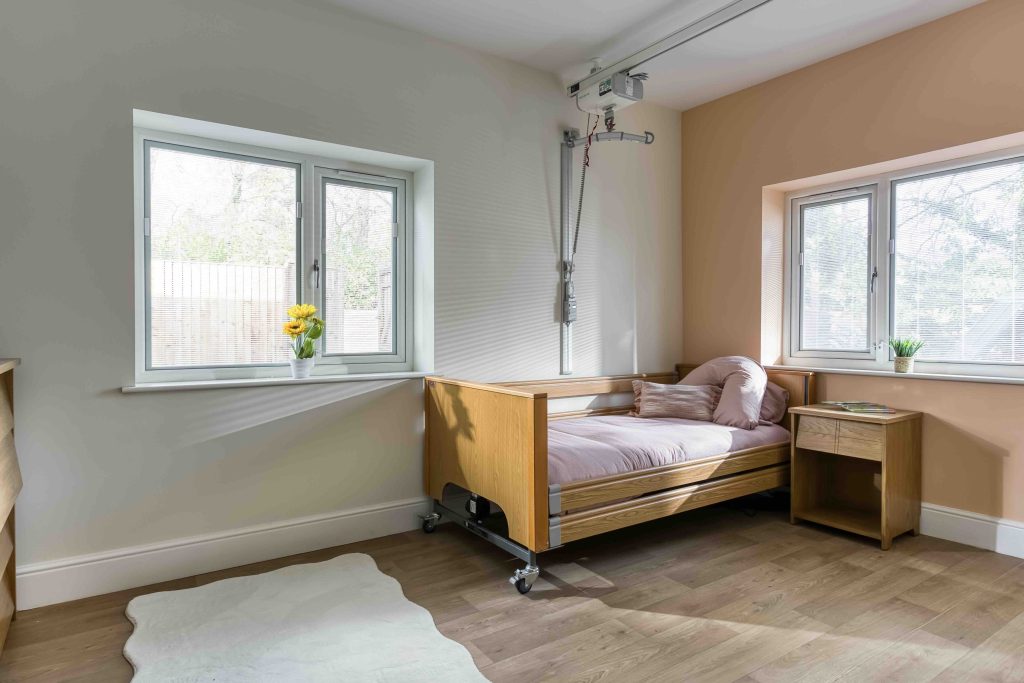
Space plays a big role in that. At Spring Meadow, the environment works with the support, not against it. Adaptations are built in. Rooms are purposeful. Young people can choose calm or activity, privacy or connection. 

For Dawn, that difference is transformative. “The space alone reduces triggers,” she says. “Young people do not have to be on top of each other. They can step away, regulate themselves and come back when they are ready.” 

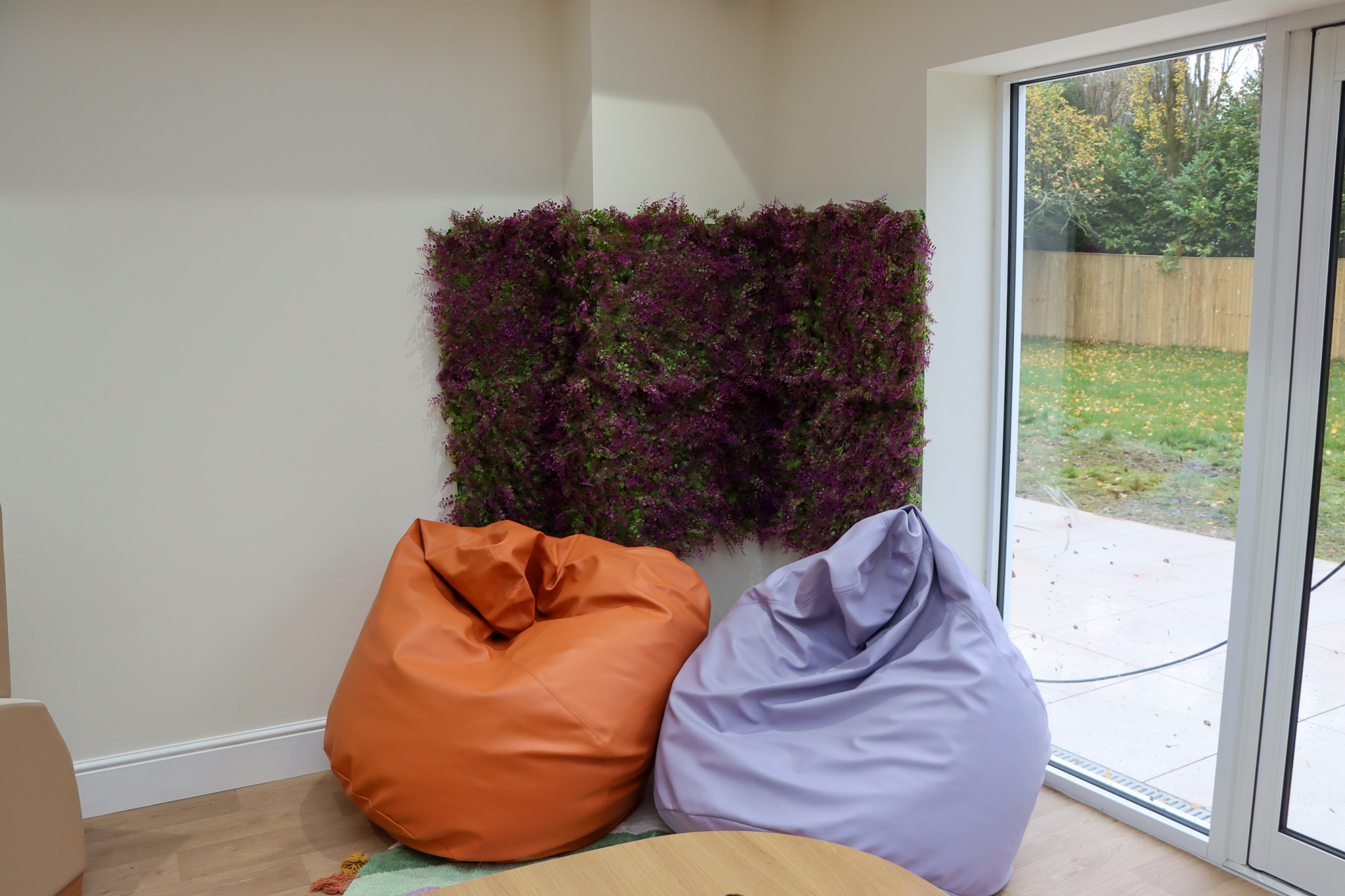
The garden has become a symbol of what Spring Meadow stands for. There are plans to grow fruit and vegetables, bring them into the kitchen and prepare meals together. It is about understanding where food comes from, making healthy choices and taking pride in something you have helped to create. 

But the thinking goes further. Dawn and Amanda talk about future possibilities. Small enterprise ideas like sharing produce with other services. Building confidence that could lead to volunteering or work placements. Each step is designed to gently prepare young people for supported living and life beyond the service. 

“It is about the next destination,” Dawn says. “Helping them feel ready for whatever comes after this.” 

Location matters too. Spring Meadow sits in a quieter, greener area, away from heavy traffic and constant noise. Windows can be opened to fresh air and birdsong instead of engines. For young people with complex health needs, that calmer environment is more than pleasant. It supports wellbeing in a very real way. 

At the same time, the service is not isolated. Shops, buses and transport links are still close by, giving young people access to the wider community while enjoying the benefits of a peaceful setting. Dawn describes it as the best of both worlds. 

The team is also thinking carefully about culture and identity. With more space comes the ability to celebrate properly. Not just Christmas, but different religions, cultures and traditions throughout the year. Food, music and decorations will be shaped around the young people who live there, with families involved where needed. For Dawn and Amanda, these moments are not extras. They are part of preparing young people for adult life. Learning about each other. Sharing experiences. Feeling seen and respected. 

Staff preparation has been just as deliberate. A detailed service manual, walkthroughs, short videos and phased inductions are all part of helping the team feel confident in a new and much larger environment. The expectation is not perfection from day one, but curiosity, creativity and a willingness to support young people to take their next steps. 

“It will feel overwhelming at first,” Amanda admits. “But once staff see the young people thriving, they will thrive too.” Spring Meadow is ready. Ready to support a wider range of needs. Ready to remove barriers. Ready to help young people move forward with confidence.  

When asked to sum it up, Amanda calls it holistic, calming and beautiful. Dawn chooses a simpler word. 

“Magical,” she says. “Because in this home, we really can make a difference.” 

Designed for the next step, Spring Meadow is exactly that. A place where growing up is supported, independence is nurtured, and the future feels a little closer than before. 

Inquire about our short break offerings today. Send an email to our Placements Team: referral@progresscare.co.uk

Spring Meadow Opens a New Chapter in Short Breaks and Adult Support

Progress is set to open Spring Meadow, a purpose-built service created to support young people and adults who need stability, space and meaningful opportunities to grow. 

Spring Meadow represents the next chapter in Progress’ short breaks and adult services. After years of growing demand at Stourbridge House, where the organisation now supports more than 50 families each month and delivers between 150 and 180 nights of short breaks, the need for a larger, bespoke home became clear. 

For Managing Director Claire Rogers, Spring Meadow reflects both perseverance and purpose. 

“Spring Meadow shows our commitment to developing services properly, learning from experience and creating environments that genuinely support people to thrive,” Claire said. 

Built with calm, light and flexibility in mind, Spring Meadow has been shaped by the voices of the people who will use it. Young people and families who already access Progress short breaks were involved in decisions around colour schemes, furniture and how communal spaces should feel and function. 

Phil McDonald, Head of Adult Services, describes the new service as a natural evolution. 

“Our short breaks are a lifeline for families,” Phil said. “They give carers room to breathe and young people a safe place to build confidence and explore independence. Spring Meadow gives us the space to continue doing that at the level of quality we believe in.” 

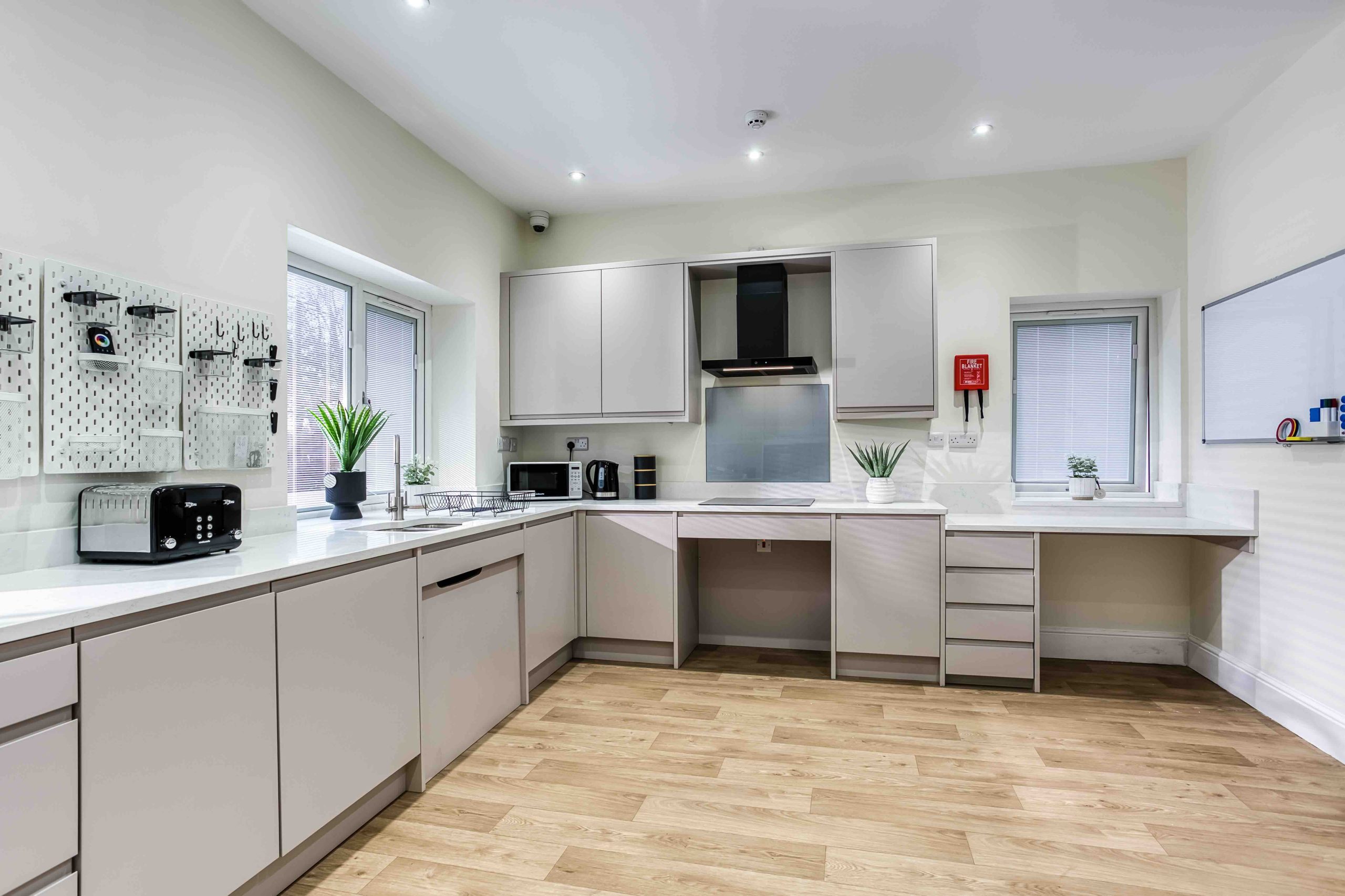
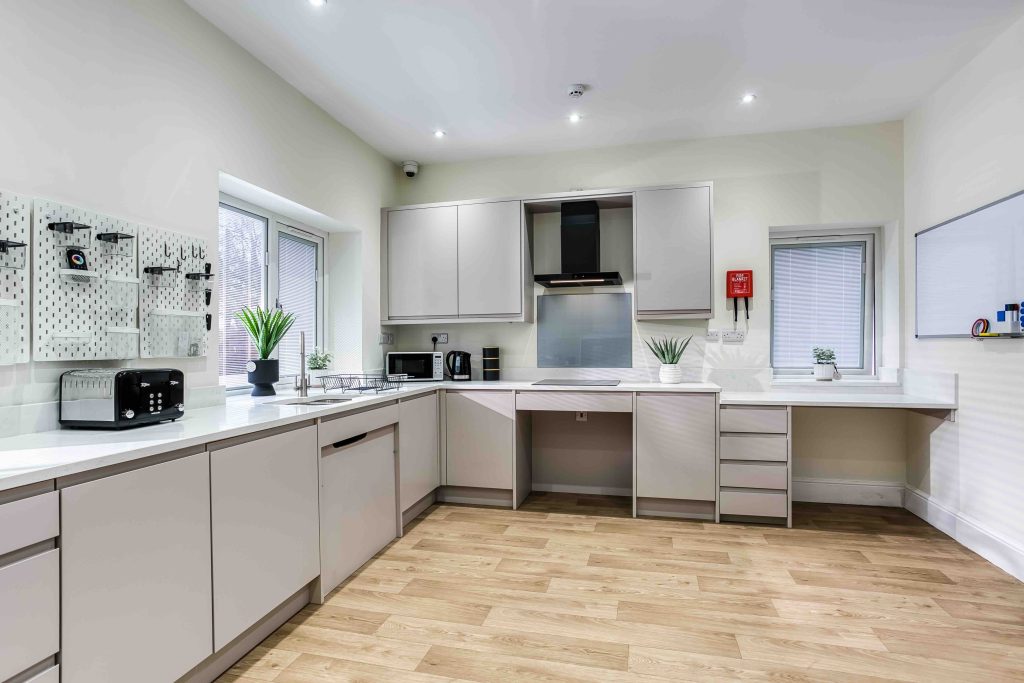
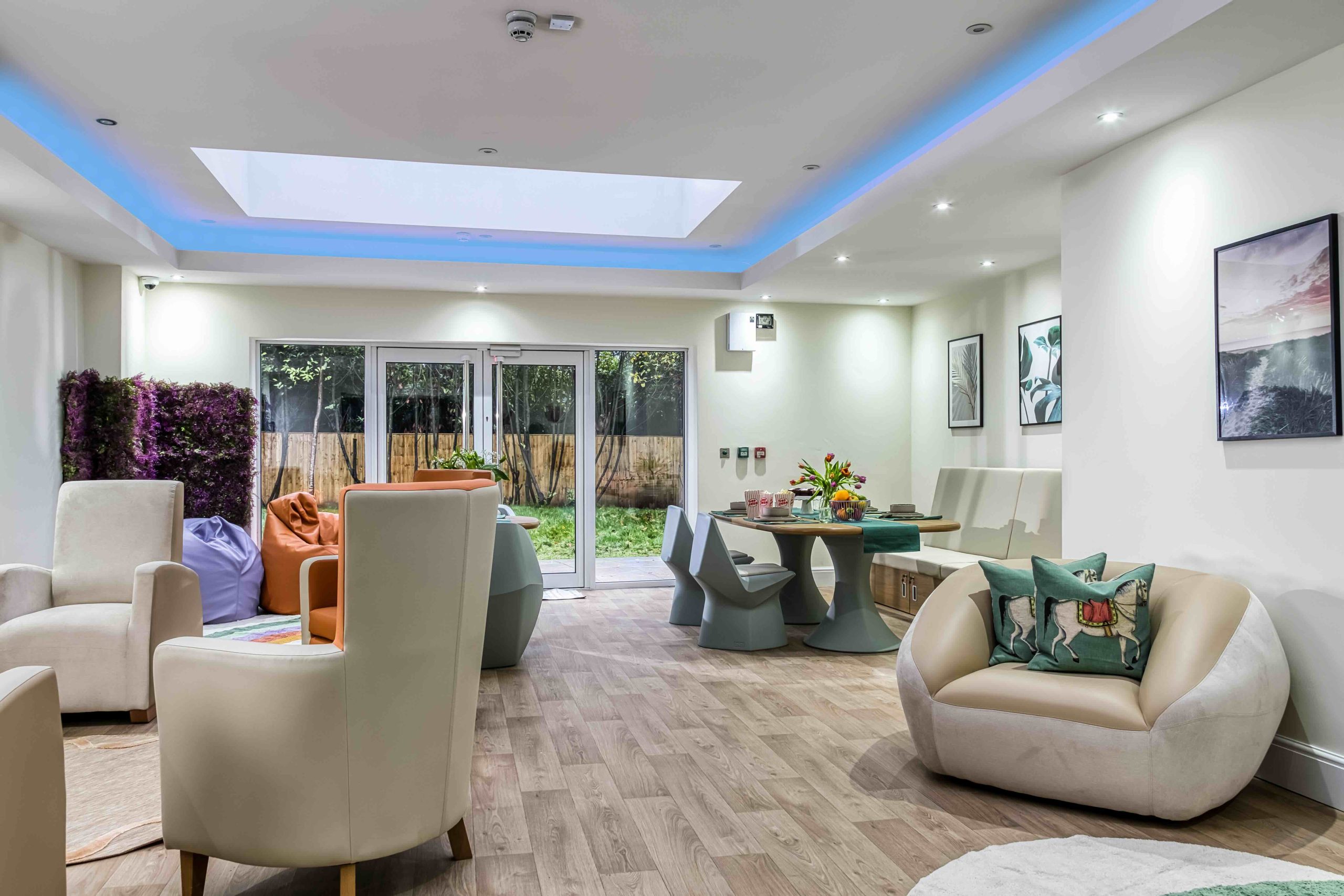
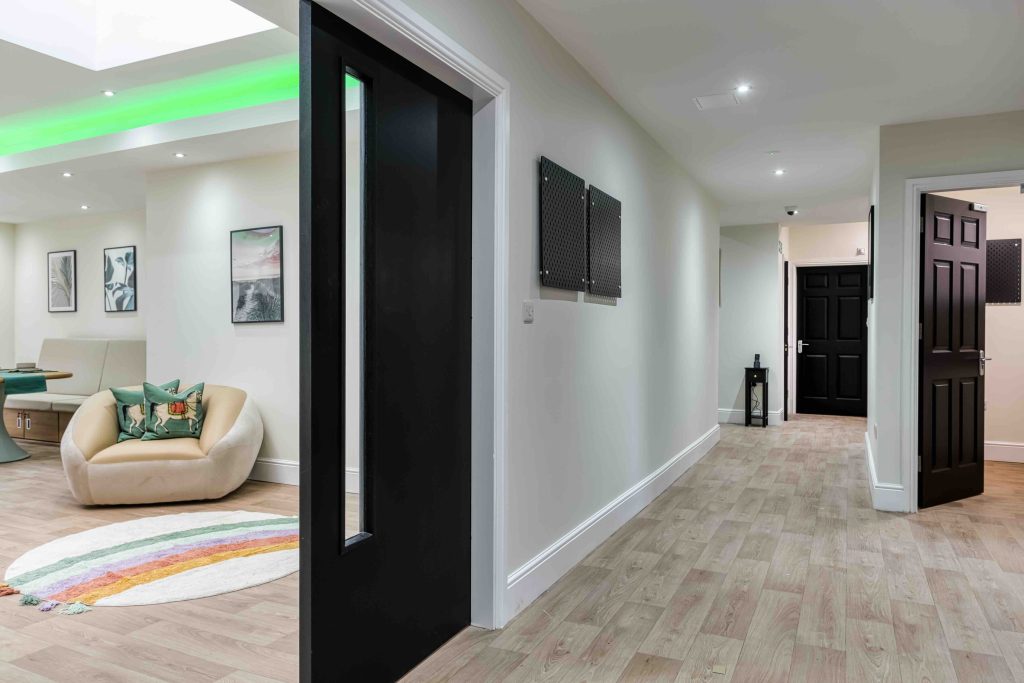
The service has been designed to feel like a home rather than an institution. Open plan communal areas flow into the garden, with thoughtfully created zones that allow people to come together or find quieter corners when they need space. 

“Not everybody wants to sit close to others,” Phil explained. “So we’ve created different areas where people can choose what feels right for them. Those insights come directly from years of learning at Stourbridge House.” 

Service leaders believe the new environment will make a meaningful difference to daily life. Dawn, Deputy Manager, sees Spring Meadow as a place where independence can grow naturally. 

“This is a proper home,” she said. “Not a shared building with lots of restrictions, but a house where people can be involved in everyday life. Cooking, caring for the garden, having quiet time when they need it. That sense of belonging really matters.” 

Amanda, Registered Manager, highlights the impact of space and calm. 

“The space alone reduces triggers,” she said. “People don’t have to be on top of each other. They can step away, regulate themselves and come back when they’re ready. That can make a huge difference, especially for young people with complex needs.” 

Team leaders preparing to work at Spring Meadow echo that view from the frontline. 

“It’s the same care we already deliver,” Chloe, one of the Team Leaders said, “just with more room to do it properly. More space for one-to-one time, more opportunities for independence and more choice for young people.” 

Spring Meadow will support up to eight people at a time and includes generous outdoor areas that will be developed into kitchen gardens and activity spaces. Plans include growing fruit and vegetables, bringing produce into the kitchen and using everyday activities to build skills, confidence and wellbeing. 

For Phil, the service is about far more than overnight breaks. 

“This can be a launch pad,” he said. “For some people, short breaks help them remain at home longer. For others, it’s the first step towards adulthood and independence. What matters is that people have the space to make informed choices about their future.” 

Located just minutes from Stourbridge House but within a new local authority area, Spring Meadow will extend access to Progress support for more families and communities. 

Final preparations are now underway, with teams completing checks, finishing touches and staff inductions. Progress will open the service only when everything feels right. 

“We want the first experience to be the right one,” Phil said. “People deserve that.” 

As Spring Meadow prepares to open its doors, it stands as more than a new building. It is a service shaped by experience, guided by leadership and built around the belief that everyone deserves a place where they feel safe, supported and able to grow.

Soft light, calm sight, Spring Meadow feels right

There are buildings that hold people, and then there are buildings that hold space for people. Spring Meadow is the latter, and its gentle light tells you that the moment you step inside. 

The first thing you notice when you walk into Spring Meadow is the light. It pours in through the large skylights, settles softly across the open-plan living area and flows through to the garden outside. Even before the service officially opens, the space already feels lived in. It feels ready. 

Spring Meadow is Progress’ newest short breaks service, designed for young people and adults who need stability, meaningful support and a place to recharge. It is the next chapter for the extensively impactful Stourbridge House, which has long been the heart of Progress’ respite provision. But after years of growth, the demand for short breaks has outgrown the current building. Progress now supports upwards of 50 families each month and provides between 150 and 180 nights of support. The move to a larger, purpose-built home was no longer a future plan. It became a necessity. 

For Phil McDonald, Head of Adult Services, Spring Meadow is the natural next step in a journey shaped almost entirely by the people who use the service. 

“Our short breaks are a lifeline for families,” he said. “They give carers room to breathe. They give young people a safe and supportive environment to build confidence and explore independence. Spring Meadow gives us the space to continue doing that with the level of quality we believe in.” 

Designed by the people who will stay there 

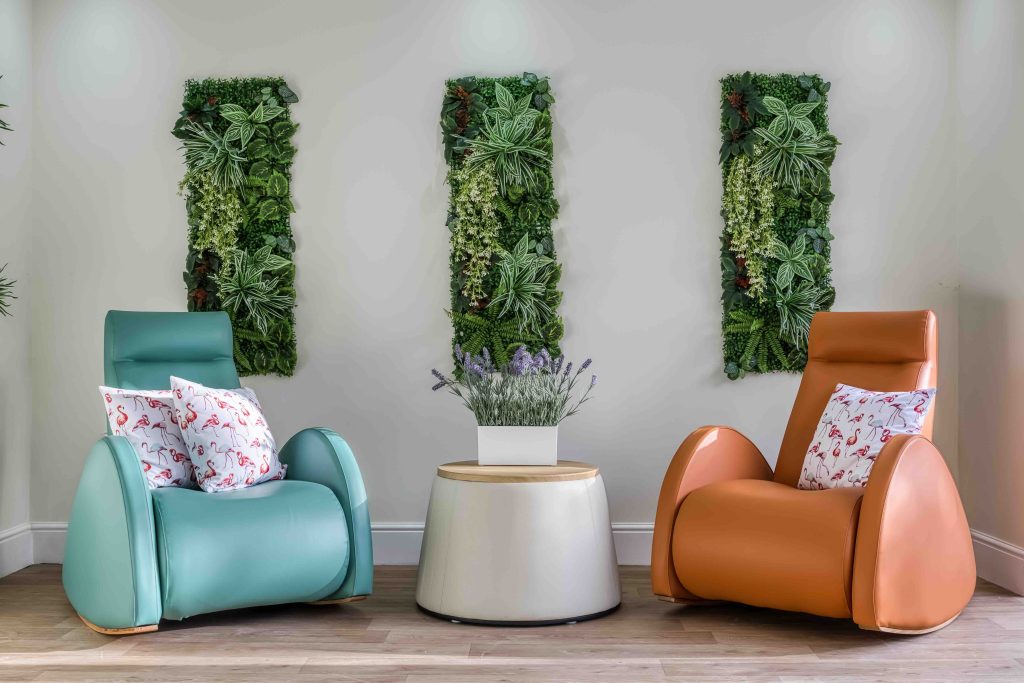
Progress has long understood that the success of a service is built in the details. The shape of a room. The colour of a wall. The presence of a chair that allows someone to sit alone when they want quiet. These small choices can make a space feel welcoming or overwhelming. 

Because of that, the young people and families who currently use Progress short breaks have helped shape Spring Meadow from the start. They chose colour schemes, looked at furniture options and guided decisions about how communal areas should be laid out. Many of those choices are visible the moment you walk in. 

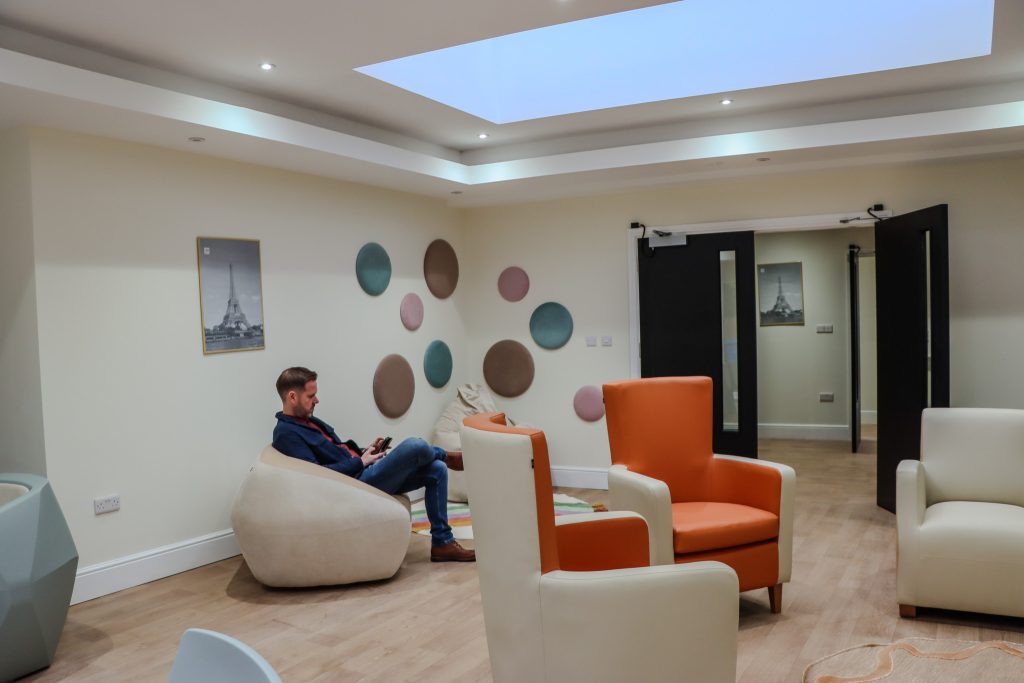
“Not everybody wants to sit close to others,” Phil said, looking around the main living space. “So we created zones. People can gather in the centre or find a corner that feels calmer. These are insights we learned over many years at Stourbridge House, and we brought all those lessons here.” 

The space is intentionally warm, not clinical. Every part of it has been planned with genuine use in mind. Even visiting managers from across Progress have reacted with a mix of admiration and playful jealousy. The natural light, the generous rooms and the sense of openness have created something that feels refreshing in a sector where many buildings struggle to offer that atmosphere. 

A favourite room and a heart of the home 

Phil’s favourite part of Spring Meadow is the main communal room. It is the first room you see when you step inside and will become the hub of daily life once the service opens. It has enough space for activity, creativity and quiet moments, and it opens straight onto the garden. 

“It feels like the heart of the home,” he said. “I can already picture people cooking, relaxing, playing games and spending time outdoors. It is a space that will evolve with the people who use it.” 

Spring Meadow is built for eight people at a time, with large communal areas and a wide outdoor space that will grow into something even more meaningful. Plans include a kitchen garden and workshop-style activities that support sensory engagement, wellbeing and hands-on learning. It is not just a larger service. It is a service with room to evolve. 

“It is a base for more than overnight breaks,” Phil explained. “In the long run, this space will allow different types of support to run from here, inside and outside. It will give people room to explore skills that help them build independence.” 

That focus on independence is central to adult services at Progress. Short breaks are often the first step in a young person’s journey toward adulthood. For some, it marks the beginning of decisions about living arrangements, daily routines or future goals. For others, it provides the stability needed to remain at home. Many families describe short breaks as the reason they can continue caring safely and sustainably. 

“It can be a launch pad,” Phil said. “Everyone’s journey looks different, but what is consistent is that short breaks give people space to make informed choices about their life.” 

A new area, new opportunities 

Spring Meadow sits just five minutes from Stourbridge House, but it crosses into a new local authority area. That small shift matters. It opens the door for more families to access Progress support and introduces a modern, bespoke service in a community that has not had this type of provision before. 

Staff are now completing the final round of checks and finishing touches. Progress will not open the doors until everything is exactly as it should be. The snagging lists are still active, the final pieces of furniture are being positioned and the team is making sure the environment feels perfect before any young person stays overnight. “We want it to feel right from the very first moment,” Phil said. “People deserve that.”

Spring Meadow is nearly ready. When the doors open, families, carers and professionals will walk into a space that has been shaped by their voices, informed by their experiences and designed with the future in mind. 

It is more than a new building. It is the next chapter in a service built on warmth, creativity and the belief that everyone deserves a place where they feel safe, supported and able to grow. 

The Smith’s Team Honoured with Supportive Colleague Award at Superstar Awards 2025

At this year’s Progress Superstar Awards, The Smith’s Team, part of The Hub Service within Progress Adult Services, received the Supportive Colleague Award for their compassion, strength and togetherness during a truly challenging year.

The award was presented by Phil McDonald, Head of Adult Services at Progress, who praised the team for the way they supported each other through loss while continuing to care for the people they support every day.

“Rather than one person, this is going to a team of people,” Phil said. “A young person they support passed away this year, and the team around that situation have kept each other going while continuing to care for the people they support.”

The room was filled with emotion as colleagues applauded The Smith’s Team. Their award recognised not only their professionalism but also their compassion and ability to stand by one another through difficult times.

Phil spoke about how their strength and unity reflect the heart of Progress and what it means to truly care for one another.

“What you’ve done for each other this year speaks volumes about who you are as a team,” Phil said. “You’ve shown what real support looks like.”

The Smith’s Team are part of The Hub Service within Progress Adult Services, where teamwork, empathy and resilience are at the centre of everything they do. Their award is a celebration of the quiet, consistent kindness that defines the Progress community.

Congratulations to everyone in The Smith’s Team for showing what it really means to look out for one another.

If their story inspires you and you’d like to be part of a team that values care and connection, we’d love to meet you at one of our upcoming recruitment events:

Children’s Services Recruitment Day – Progress Head Office, 11 November

Fill in the form below to let us know you’re coming and start your own Progress journey: