



Understanding Step Across Fostering

When Tom first met the young person he would be fostering, it was over hot chocolate at a local café. the young person, aged 9, had spent most of his childhood in residential care after several placement breakdowns. But this meeting felt different, it was calm, unhurried, and full of possibility. Over the next few weeks, they met again: at the park, during school pickup, and eventually for an overnight stay. By the time he moved in, it wasn’t to a stranger’s house—it was to a home he had helped choose. This is the heart of Step Across Fostering at Progress. 

At Progress, we’re passionate about giving every child the best possible environment to grow, thrive and feel safe. One of the ways we do this is through our Step Across Fostering model which is a unique approach designed to support children moving from residential care into a stable, loving family home. 

Unlike conventional fostering, Step Across offers a carefully planned and supported transition for children who may have experienced significant adversity. These children often come from residential settings where they’ve had multiple carers and a structured group environment. While this model meets many needs, it doesn’t always offer the consistency and emotional stability of family life. Step Across aims to change that. 

What makes this model stand out is the tailored matching process. Because the young persons are often already supported within Progress’ residential services, our team knows them well. This gives us a unique ability to match them with foster families who are not only available but suitable—in personality, environment and expectations. From school logistics to shared interests and cultural considerations, every detail can be factored in to get the match right from the start. 

For potential step across foster carers, Step Across offers a more gradual and informed route into fostering. It is ideal for those who value planning, relationship-building and long-term commitment. Rather than reactive placements, this model enables carers to meet the child beforehand, build rapport and introduce them to the wider family at the young person’s pace. 

Foster carers are not alone in this journey. They are supported every step of the way with therapeutic input, ongoing training, regular respite, and the chance to connect with other carers who have experienced Step Across placements. What’s more, before welcoming a child into their home, carers can shadow staff in Progress’ residential services, giving them valuable exposure to the behaviours and routines of children with complex needs. 

The children themselves are also actively supported during this process. Each young person is assigned a dedicated family support worker who checks in with them throughout the transition—asking how they’re feeling, what is going well and what needs to change. This input ensures the move into family life feels safe, empowering and right for the child. 

This approach isn’t for everyone, and that’s okay. Step Across is designed for people who are patient, empathetic, resilient and ready to commit long-term. If you are someone who struggles with saying goodbye or who values deep, lasting bonds, this path may be for you. Because ultimately, the goal of Step Across is to offer consistency, familiarity and a true sense of family to children who have often gone without. 

At its heart, Step Across is about restoring normality, building family bonds and giving children the chance to feel safe, seen and loved every single day. 

Interested in becoming a Step Across foster carer? 

We’re here to guide you every step of the way. 

Visit our fostering page or call our team on 01902 561066 to learn more about how you can make a lasting difference in a child’s life. 
What Really Happens in a Form F Assessment

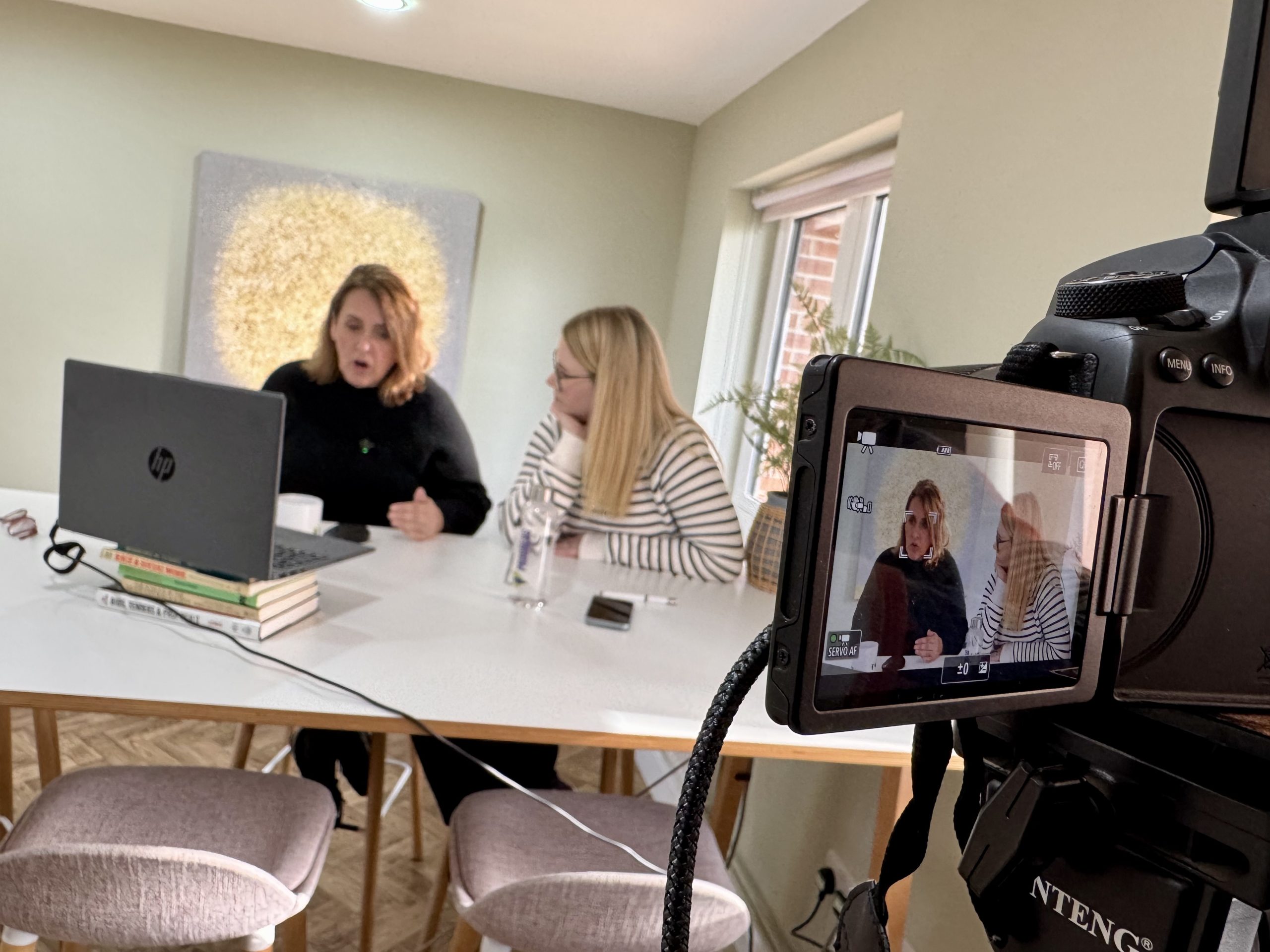
In our latest Progress Fostering Live session, we explored a stage of the fostering journey that many people find both important and mysterious. The Form F assessment is a long, thoughtful process that prepares applicants for the realities of caring for a child who may have experienced trauma. To help make sense of it, we were joined by Supervising Social Worker and experienced assessor Sharon Lee, who has spent almost twenty years guiding people through this stage.

During the session we talked through what the assessment involves, how long it takes, the types of conversations applicants can expect, the role of references, how family members are included and what happens at panel. Sharon also spoke openly about the emotional side of the process and why many applicants describe it as reflective and meaningful.

Below is a more personal and detailed look at the discussion in a Q and A format.

What is a Form F assessment and why does it matter?

The Form F assessment is a detailed process led by a qualified social worker. It helps us understand whether someone can safely and emotionally care for a child who may have had a difficult start in life. Sharon describes it simply. Her role is to understand who the applicant is, what experiences have shaped them and how prepared they are to offer stability. The assessment is not about catching people out. It is about getting to know them well enough to understand the kind of care they can offer.

How long does the assessment take?

Most people complete the assessment within four to six months. This gives enough time to build a relationship, explore important areas of life history and gather all the necessary checks and references. Applicants who are transferring from another agency or local authority may move through more quickly because some of the information is already available.

What actually happens during the assessment?

Applicants usually meet with their assessor between eight and ten times. Some sessions can be held on Teams or WhatsApp, especially when gathering basic information. When the conversations are sensitive, such as exploring childhood memories or past relationships, the meeting is always face to face. These deeper conversations help the assessor understand how someone manages difficult emotions and how they might respond to a child who has had similar experiences. Alongside these conversations, the assessment includes DBS checks, medicals, work and school references, personal references and information about the household’s support network.

Why does the assessment explore someone’s childhood and personal history?

Understanding an applicant’s past helps assess how they will support a child who arrives with trauma or uncertainty. Not everyone has had a positive childhood and that is absolutely fine. What matters is whether the applicant has processed their experiences. Sharon often finds that these discussions can be surprisingly therapeutic. Many people leave these sessions with a stronger understanding of themselves and how far they have come.

How important is honesty?

Honesty is essential. Sharon encourages applicants to be open from the very first conversation, even if the topic feels uncomfortable. Past mistakes, mental health struggles or challenging moments in life do not automatically prevent someone from fostering. In many cases, seeking support or working through personal challenges shows resilience and self awareness. What concerns assessors more is when people hide things or avoid talking about them.

Why are ex partner references requested?

This is a part of the assessment that often causes worry, but Sharon explains that the purpose is very simple. Assessors are not interested in the details of a past relationship. They only want to understand what the applicant was like as a parent. If speaking to an ex partner is not safe or possible, there are other ways to verify a person’s history, such as speaking to adult children, close relatives or trusted friends.

How involved are the applicant’s family members?

Everyone who lives in the home is part of the journey in some way. Younger children are spoken to separately in gentle, age appropriate ways. Sometimes assessors use picture books about fostering to help them understand the idea of another child joining the family. Adult children and supportive relatives may also be included, especially if they play a role in the household’s support network. Backup carers are assessed too and will need DBS checks.

What happens if one partner is unsure about fostering?

It is common for one partner to feel more confident than the other. During the assessment, Sharon explores this carefully. The aim is not to pressure anyone. It is simply to understand what is behind the uncertainty and to make sure both partners feel informed. Many couples find clarity after attending the Skills to Foster preparation sessions, which offer a realistic picture of what fostering involves. Both partners do eventually need to be fully on board.

Can someone work full time while going through the assessment?

Yes. Assessors work flexibly and fit sessions around people’s existing routines. Sharon schedules meetings during mornings, afternoons, evenings and occasionally weekends. Flexibility during the assessment is important because fostering itself often involves appointments, meetings and unexpected changes.

What happens once the Form F assessment is complete?

When the assessment is finished, applicants are given time to read the full report and discuss any points they would like changed or clarified. The assessment is then reviewed by the assessing manager and shared with the fostering panel. Panel meetings at Progress take place on Teams and are designed to be welcoming and reassuring. The panel reads the report, asks a few questions and then makes a recommendation. The final decision is made by the Agency Decision Maker, who usually responds within two weeks.

What support is available during the process?

Support is woven throughout the journey. Applicants can be linked with mentors, connect with experienced foster carers and speak with households offering the type of fostering they are interested in. The aim is to make sure no one ever feels alone or unsure about what comes next.


If you are thinking about fostering and would like to understand the next steps, our team is ready to help. You can contact us through our website, send us a message on Facebook or give us a call. Our next Progress Fostering Live session will explore the matching process and what it is like to welcome your first child into your home.