Fostering is my way of making a positive difference in the world. If you can offer a child a home and the support they need at a difficult time in their life, then you must get involved.
In many ways, 2025 at Progress Fostering Service has been defined by the quiet, consistent work of care. Not the kind that announces itself loudly, but the kind that shows up every day. In living rooms and kitchens, at school gates, in meetings that stretch long into the afternoon, and in moments that matter deeply to children and young people who need stability, patience and belief.
Across the year, fostering at Progress has continued to be rooted in relationships. The sort that grow slowly, built on trust, listening and reassurance. During Foster Care Fortnight, this idea took centre stage as carers, staff and supporters reflected on the power of connection. What emerged was not a single story, but many. Stories of children beginning to settle, of carers learning alongside young people, and of teams working together to make homes feel safe and supportive.
This year also marked a significant milestone in the organisation’s journey, with Progress celebrating 25 years of care. The anniversary was not simply about looking back, but about recognising the people who make fostering what it is today. Foster carers who open their homes. Social workers who walk alongside families through challenges and change. Support staff whose work often happens behind the scenes but is felt every day. It was a moment to reflect on how far the organisation has come, and how much care continues to shape its future.
Throughout 2025, Progress has remained focused on growing and strengthening its fostering community. Information events, conversations online and open discussions about what fostering really involves have helped invite new voices into the space. These were not glossy recruitment drives, but honest conversations. They acknowledged the challenges, the learning curve, and the realities of caring for children who may have experienced loss or instability. At the same time, they highlighted the rewards. The moments of progress, laughter, resilience and shared achievement that carers speak about with quiet pride.
Celebration has also been a key thread running through the year. Progress has made space to recognise both staff and young people, understanding that encouragement and recognition matter. From internal awards celebrating mentorship and dedication, to young people being recognised in their wider communities, these moments reflected something deeper. They showed what can happen when children are supported by adults who believe in them and services that invest in their potential.
Within fostering and residential services alike, storytelling has played an important role in 2025. Features shared across Progress website and social channels have given voice to lived experiences. They have explored themes such as keeping siblings together, the importance of teamwork, and the everyday realities of care. These stories have not been about perfection, but about progress. They have shown the complexity of care work, and the humanity at its centre.
All of this has taken place against a wider backdrop of national challenges in fostering. Across the UK, services continue to face pressures around recruitment, retention and support. In that context, Progress has focused on what it can control. Investing in carers, listening to staff, and keeping children’s needs at the heart of decision-making. The result has been a year that feels grounded and purposeful, even in uncertain times.
As 2025 draws to a close, what stands out most is not a single campaign or event, but a collective sense of care. A feeling that fostering at Progress is shaped by people who are committed to doing the work thoughtfully and with compassion. It is a year that reflects growth, reflection and community, and one that sets a steady foundation for what comes next.
Looking ahead, the message from 2025 is a hopeful one. When relationships are valued, when carers are supported, and when children are given the time and space to be themselves, meaningful change becomes possible. That has been the story of fostering at Progress this year, and it is a story still being written.
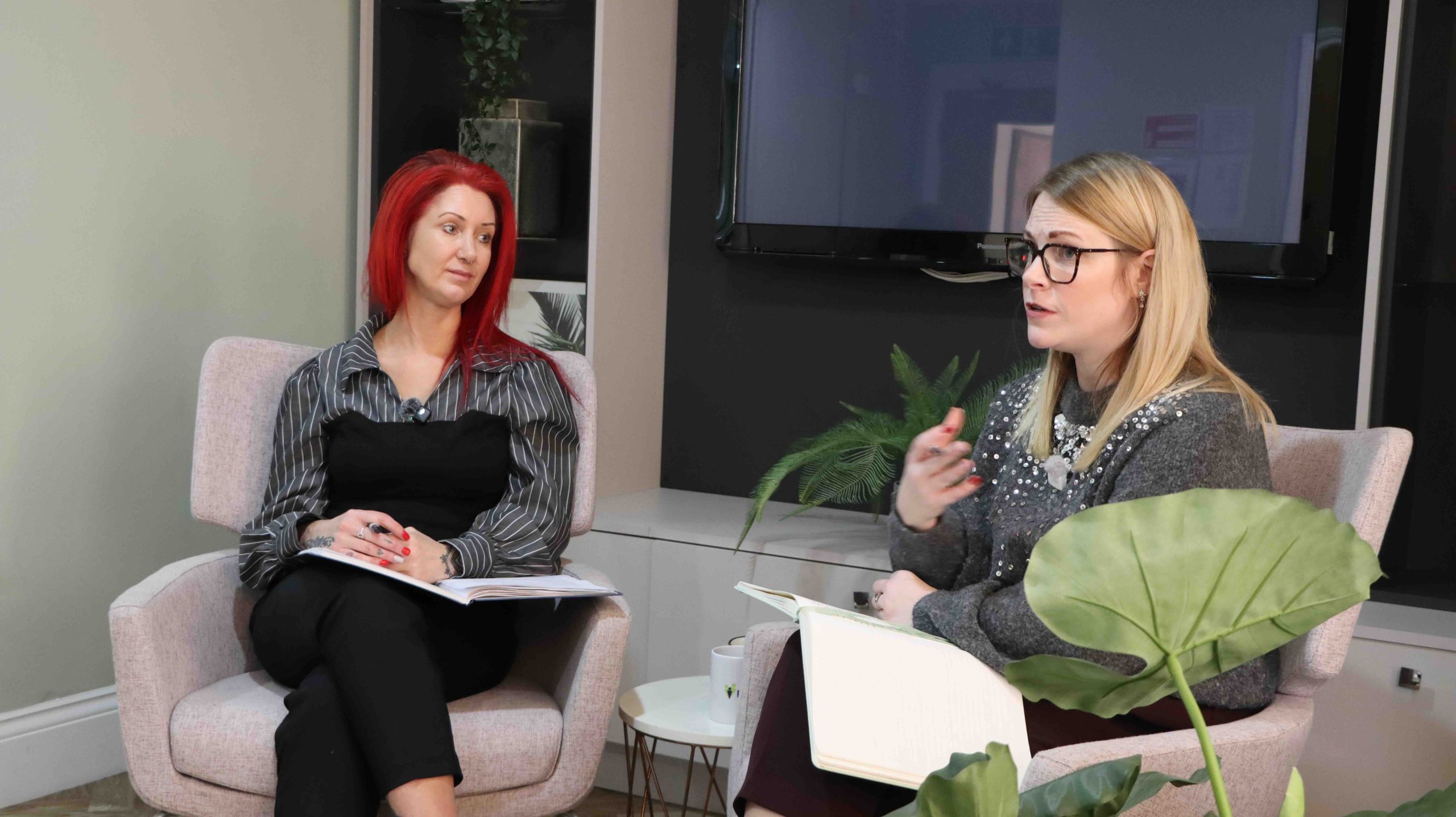
Prior to our latest Fostering Live with Progress session, an attendee might have expected a simple conversation about fostering. What happened instead was the start of a bigger realisation: fostering is not one fixed route. It is a whole landscape of possibilities shaped around the very different children who need families.Many people thought fostering meant only one thing — a child moving in full time, for an indefinite period, into a home that already has space and availability. But as Michelle and Kirsty explained during the session, fostering offers far more flexibility, and many more pathways, than most people realise.
And once that becomes clear, prospective foster carers can begin to see where they might fit too.
Demand for foster families continues to rise across the UK, but what children need is not just more homes, they need the right homes. A child who needs one-to-one attention requires a different kind of placement from a sibling group. A teenager navigating trauma needs something different again. A parent and baby rebuilding their bond need something else entirely.
The purpose of the event was not simply to list the types of fostering. It was to show why those types exist, and why each one plays a vital role in making sure children are matched with the kind of environment that helps them thrive.
Below is a deeper look at those fostering paths, shaped by the insights shared during the session and enriched by what we know from social care practice across the UK.
Solo placements: when one child needs the whole home
The session highlighted that people were surprised that some children must be the only young person in a foster home. Solo placements are not restrictive, they are protective.
Children who have experienced significant trauma, or who struggle to regulate emotions, often need uninterrupted focus from their carer. Some have come from large sibling groups where they never received individual attention; solo fostering becomes their first chance to be truly seen.
It is intense but incredibly rewarding. Many carers say they witness the most dramatic emotional growth in solo placements because the child finally has the space to breathe.
Specialist fostering and the step from residential into family life
One of the strongest themes of the session was the urgent need for carers who can support children with additional needs. This includes learning disabilities, autism, complex behaviours or sensory needs.
Progress, with its unparalleled experience in specialist residential care, offers highly tailored training which is something many do not realise existed. This is important, because a growing number of children are entering residential homes simply because there is not enough specialist foster carers. Some of these children are as young as five.
This is where step-across fostering becomes life-changing: rebuilding a child’s sense of belonging by helping them transition slowly and safely out of a residential setting and into a nurturing family home. It is planned, paced and supported every step of the way, often involving joint visits, familiarisation time and wraparound therapeutic support.
Short breaks and respite: fostering that flexes around real life
Many people at the event said they had assumed fostering always meant full-time care. This misconception is common, and it prevents great potential carers from stepping forward.
Short breaks and respite fostering give families and long-term carers breathing space. For children with additional needs, consistent overnight stays with a trusted carer can make a world of difference.
For new carers, it is a gentle, flexible way to begin fostering while balancing work or family life.
Short breaks carers become a steady presence in a child’s life, often seeing them month after month, year after year. Stability can be built in many ways, not just through full-time care.
Parent and child fostering: a lifeline many never knew existed
One of the most eye-opening parts of the event was the discussion around parent and child fostering. Many attendees admitted they had never heard of it.
Parent and child placements welcome both a parent and their baby into the foster home. The aim is to help parents learn and develop the skills they need to care safely. Sometimes the placement is supportive. Sometimes it is part of a court assessment. In both cases, carers play a crucial role in helping families stay together whenever possible.
This specialism is emotionally demanding but incredibly meaningful. For many babies, it prevents separation. For many parents, it is their first real chance to succeed.
Long term, short term and the rhythm of everyday stability
The event also unpacked the difference between long-term and short-term fostering. Long-term placements give a child a home until adulthood. Short-term placements support them while the future is still being planned.
Both require patience, openness and consistency. Both involve the everyday work of building stability — the school runs, the bedtime routines, the quiet car chats, the hard days and the heartwarming moments.
Children do not remember the label of their placement. They remember the warmth of the home.
Siblings: why extra bedrooms change lives
One of the most heartfelt sections of the session focused on sibling groups. There is a nationwide shortage of families who have enough space to keep siblings together, and it is one of the greatest unmet needs in fostering today.
Michelle and Kirsty spoke about the joy of recent sibling reunifications within Progress. When brothers and sisters come back together, everything softens. Their sleep improves. Their behaviours settle. Their anxiety lifts. Their identity feels intact again. They also explained why sibling placements are such a priority for fostering services right now.
Teenagers: the most misunderstood group in care
Teenagers often face the most barriers when it comes to finding foster families. At the event, viewers shared their fears about fostering teens and then heard the reality.
Teenagers are not “problems”. They are young people navigating adolescence, trauma and identity all at once. They need patience, predictable boundaries, humour and adults who will not give up on them.
Progress offers strong therapeutic support to help carers build these relationships, and the session helped demystify what caring for a teenager truly looks like. Many attendees left feeling far more open to it than when they arrived.
Unaccompanied asylum-seeking children: offering safety and belonging
Another topic that resonated deeply was the rise in unaccompanied asylum-seeking children needing homes. These young people have often endured dangerous journeys and significant loss. They need stability, cultural sensitivity and emotional grounding.
For carers, offering a home to an asylum-seeking child is both challenging and profoundly moving. At the event, people spoke about wanting to provide the kind of welcome every child deserves.
Why conversations like this matter
The purpose of Fostering Live with Progress is simple: to educate, to demystify and to help people see where fostering might fit into their lives.
Not everyone will be drawn to every type of fostering. But almost everyone who attended the session realised there is some path that could suit their strengths, lifestyle or experience.
That is the power of understanding the options.
Our next face-to-face information event is on Saturday, 17 January, at Progress’ head office. For anyone inspired by the online session, or simply curious, it is a space to ask questions, explore the different fostering paths and imagine what role you might play in a child’s life next year.
There are no pressure and no commitment. Just conversation, clarity and a warm welcome.
Because fostering begins long before a child moves in. It begins with understanding who they are and discovering which type of care might be the right fit for you.
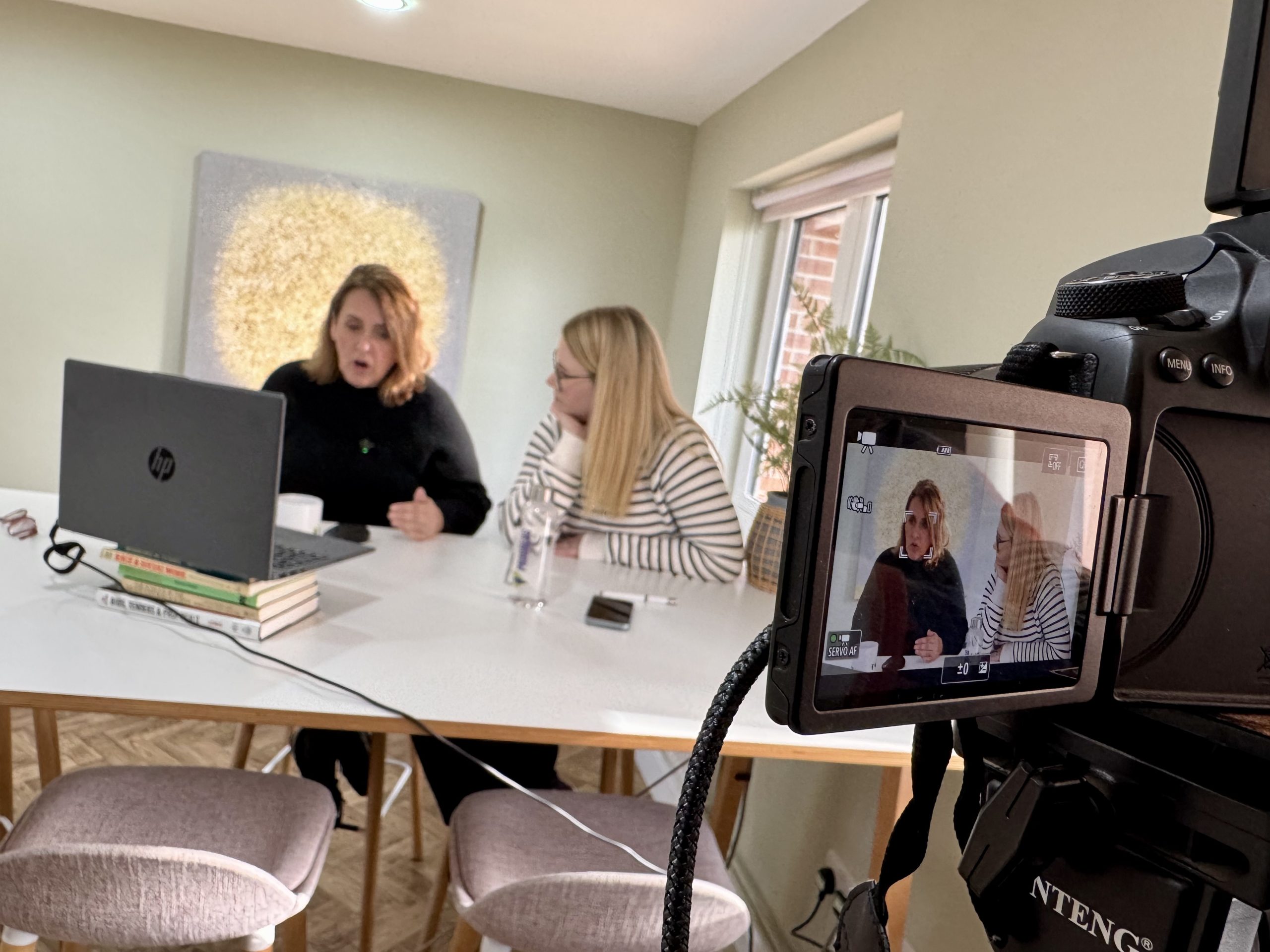
In our latest Progress Fostering Live session, we explored a stage of the fostering journey that many people find both important and mysterious. The Form F assessment is a long, thoughtful process that prepares applicants for the realities of caring for a child who may have experienced trauma. To help make sense of it, we were joined by Supervising Social Worker and experienced assessor Sharon Lee, who has spent almost twenty years guiding people through this stage.
During the session we talked through what the assessment involves, how long it takes, the types of conversations applicants can expect, the role of references, how family members are included and what happens at panel. Sharon also spoke openly about the emotional side of the process and why many applicants describe it as reflective and meaningful.
Below is a more personal and detailed look at the discussion in a Q and A format.
What is a Form F assessment and why does it matter?
The Form F assessment is a detailed process led by a qualified social worker. It helps us understand whether someone can safely and emotionally care for a child who may have had a difficult start in life. Sharon describes it simply. Her role is to understand who the applicant is, what experiences have shaped them and how prepared they are to offer stability. The assessment is not about catching people out. It is about getting to know them well enough to understand the kind of care they can offer.
How long does the assessment take?
Most people complete the assessment within four to six months. This gives enough time to build a relationship, explore important areas of life history and gather all the necessary checks and references. Applicants who are transferring from another agency or local authority may move through more quickly because some of the information is already available.
What actually happens during the assessment?
Applicants usually meet with their assessor between eight and ten times. Some sessions can be held on Teams or WhatsApp, especially when gathering basic information. When the conversations are sensitive, such as exploring childhood memories or past relationships, the meeting is always face to face. These deeper conversations help the assessor understand how someone manages difficult emotions and how they might respond to a child who has had similar experiences. Alongside these conversations, the assessment includes DBS checks, medicals, work and school references, personal references and information about the household’s support network.
Why does the assessment explore someone’s childhood and personal history?
Understanding an applicant’s past helps assess how they will support a child who arrives with trauma or uncertainty. Not everyone has had a positive childhood and that is absolutely fine. What matters is whether the applicant has processed their experiences. Sharon often finds that these discussions can be surprisingly therapeutic. Many people leave these sessions with a stronger understanding of themselves and how far they have come.
How important is honesty?
Honesty is essential. Sharon encourages applicants to be open from the very first conversation, even if the topic feels uncomfortable. Past mistakes, mental health struggles or challenging moments in life do not automatically prevent someone from fostering. In many cases, seeking support or working through personal challenges shows resilience and self awareness. What concerns assessors more is when people hide things or avoid talking about them.
Why are ex partner references requested?
This is a part of the assessment that often causes worry, but Sharon explains that the purpose is very simple. Assessors are not interested in the details of a past relationship. They only want to understand what the applicant was like as a parent. If speaking to an ex partner is not safe or possible, there are other ways to verify a person’s history, such as speaking to adult children, close relatives or trusted friends.
How involved are the applicant’s family members?
Everyone who lives in the home is part of the journey in some way. Younger children are spoken to separately in gentle, age appropriate ways. Sometimes assessors use picture books about fostering to help them understand the idea of another child joining the family. Adult children and supportive relatives may also be included, especially if they play a role in the household’s support network. Backup carers are assessed too and will need DBS checks.
What happens if one partner is unsure about fostering?
It is common for one partner to feel more confident than the other. During the assessment, Sharon explores this carefully. The aim is not to pressure anyone. It is simply to understand what is behind the uncertainty and to make sure both partners feel informed. Many couples find clarity after attending the Skills to Foster preparation sessions, which offer a realistic picture of what fostering involves. Both partners do eventually need to be fully on board.
Can someone work full time while going through the assessment?
Yes. Assessors work flexibly and fit sessions around people’s existing routines. Sharon schedules meetings during mornings, afternoons, evenings and occasionally weekends. Flexibility during the assessment is important because fostering itself often involves appointments, meetings and unexpected changes.
What happens once the Form F assessment is complete?
When the assessment is finished, applicants are given time to read the full report and discuss any points they would like changed or clarified. The assessment is then reviewed by the assessing manager and shared with the fostering panel. Panel meetings at Progress take place on Teams and are designed to be welcoming and reassuring. The panel reads the report, asks a few questions and then makes a recommendation. The final decision is made by the Agency Decision Maker, who usually responds within two weeks.
What support is available during the process?
Support is woven throughout the journey. Applicants can be linked with mentors, connect with experienced foster carers and speak with households offering the type of fostering they are interested in. The aim is to make sure no one ever feels alone or unsure about what comes next.
If you are thinking about fostering and would like to understand the next steps, our team is ready to help. You can contact us through our website, send us a message on Facebook or give us a call. Our next Progress Fostering Live session will explore the matching process and what it is like to welcome your first child into your home.