Fostering is my way of making a positive difference in the world. If you can offer a child a home and the support they need at a difficult time in their life, then you must get involved.
When Chloe, Caitlyn and Mary talk about Spring Meadow, they don’t start with the building. They start with how it feels.
They talk about space. Real space. The kind that gives people room to think, to calm down, to try things without feeling rushed or crowded. For them, Spring Meadow is not just a new service. It is a chance to do what they already believe in, but in a way that feels calmer, kinder and more intentional.
Spring Meadow is the newest service from Progress, and for its team leaders, it feels like a fresh chapter built on familiar values.
“It’s the same foundation of care we already have,” Chloe says. “Just on a bigger scale. There are more opportunities for staff, and more opportunities for young people. It really does feel bigger and better.”
That word, space, keeps coming back. Where they are now, rooms are compact and privacy can be hard to find. One to one time sometimes means working around noise and movement. At Spring Meadow, there are breakout areas, quiet rooms and outdoor spaces that make those moments easier and more meaningful.
Mary describes it as a clean slate. “We’ll have our own space and our own identity. Staff can step away when they need to. Young people can do the same. Everyone has room.”
Preparing for the opening has been as thoughtful as the building itself. Staff have been talked through what the new service will look like and shown photos. Young people have been asking questions, lots of them, and the team is taking time to make sure transitions feel safe and familiar.
“We’re thinking about it from their point of view,” Chloe explains. “How do we make this feel like home from day one?”
Caitlyn adds that they are even creating a simple guide to the service, explaining the rooms, equipment and daily routines. “It’s about confidence,” she says. “We want staff and young people to walk in and feel comfortable straight away.”
A typical day at Spring Meadow will look different from what they are used to. With more indoor and outdoor space, activities can happen naturally instead of being squeezed in. There are plans for gardening and small allotments where young people can plant seeds, watch them grow and bring produce into the kitchen.
“It’s about everyday life,” Chloe says. “Seeing food grow, preparing it, understanding healthy choices. But also having the time to sit with someone and really talk.”
One to one sessions will be easier too. The team leaders talk about having proper space for key worker conversations, without distractions, and without other young people feeling crowded out.
Celebrations will also change. At their current service, decorations have to be limited and carefully placed. At Spring Meadow, the team is already imagining something bigger. Decorating inside and outside. Personalising bedrooms. Even creating a Christmas grotto.
“It’s about making it an experience,” Caitlyn says. “Not just putting decorations up, but creating memories.”
Spring Meadow is also being shaped as a place that connects with others. With more room comes the chance to host events, welcome other services and build stronger links with the local community.
Looking back on 2025, they describe a year full of change. Young people moving on to supported living or college. New young people arriving. New staff joining. The team growing quickly and learning together.
“It’s been busy,” Chloe says. “But it’s also been a year of learning and adapting.”
Spring Meadow feels like the natural next step after all that movement. A place designed around the people who will use it. A place where support can be shaped around interests, goals and everyday moments, whether that is learning to cook, spending quiet time in a relaxation room, or simply planting seeds and watching them grow.
For Chloe, Caitlyn and Mary, Spring Meadow is not just fit for purpose. It feels right.
“It really is a fresh start,” Caitlyn says. “For the young people, and for us too.”
Sometimes, the hardest part of applying for a new job isn’t the form or the interview. It’s figuring out whether a place actually feels right.
That’s why, this Friday, our adult supported living service, The Hub, is opening its doors for something a little different. We are kickstarting an informal drop-in session for anyone who’s curious about working at The Hub. No presentations. No pressure. Just a chance to come in, meet the people behind the roles, and ask whatever questions you might have.
Whether you’re actively job-hunting, thinking about a change, or simply want to understand what working in care at Progress is really like, you’re welcome.
Why we’re doing this
We know that applying for a role in care is a big decision. Many people want to understand the culture, the support, and the day-to-day reality before they commit to an application. Some want to talk things through first. Others just want to get a feel for the place.
As Rachael, registered manager for The Hub, put it during planning: sometimes people don’t want to “start the job journey” straight away, they just want to find out a bit more. This drop-in is designed for exactly that.
What to expect on the day
If you come along, you’ll be able to:
Meet members of the team and team leads
Ask honest questions about roles, shifts, pay, and progression
Learn more about our services and how we support staff
Get a feel for whether Progress might be right for you
You don’t need to bring a CV. You don’t need to prepare anything. You don’t even need to decide whether you want to apply. This is simply about conversation.
We’ve found that some of the best conversations and strongest potential candidates are people who just walk in and start talking
If you’re curious, that’s enough
You don’t have to be sure. You don’t have to be ready. You just have to be curious.
If you’ve ever wondered what makes Progress different, what support really looks like behind the scenes, or whether a role in care could be right for you, we’d love to meet you this Friday.
Sometimes, the best first step isn’t an application, it’s a conversation.
On a Wednesday afternoon, Progress Fostering Live returned for its fourth edition with a conversation that was never meant to feel like a presentation. Hosted by Kirsty, Relationship Manager at Progress, the session invited viewers into an honest, open discussion about fostering, lived experience, and what it really takes to support young people with complex needs.
At the heart of the conversation was Tom — a Step Across foster carer with nearly four years of fostering experience and more than a decade working across Progress’ residential services. What made this session resonate was not just Tom’s professional background, but his personal story. Tom grew up in care himself. Today, he is a foster dad supporting a young person.
This was not a polished success story. It was a lived one.
Growing up in care
When Tom speaks about his childhood, he does so plainly. Like many care-experienced people, he describes it as unstable and emotionally difficult. Going into care was not a decision imposed without thought. His mum made the choice voluntarily, through the courts, believing it was the best way for him to receive the support he needed.
At the time, Tom struggled to see it that way. “I was angry,” he says. “Angry at the system.” That anger sometimes spilled over onto residential staff and carers. Looking back now, Tom recognises that what he felt was not rejection of the people around him, but frustration at circumstances he did not yet understand.
With time and distance, his perspective changed. “That decision allowed me to come back on the right path,” he reflects. “It gave me the support I needed.” That understanding now underpins how he approaches fostering. When behaviour is challenging, when emotions come out sideways, Tom doesn’t take it personally. He recognises it as communication.
“I know it’s not about me,” he says. “It’s about something they’re struggling to explain.”
Finding his way into care work
Fostering was not Tom’s first role in the care sector. After leaving care, he tried various jobs, including work in banking and administration. None of them felt fulfilling. Everything shifted when he began volunteering with The Children’s Society and SOVA, now Change Grow Live. In 2016, he received an award at Lambeth Palace for his voluntary work. That moment gave him clarity.
“I realised I needed to work in care,” he says. “I wanted to enjoy what I was doing. I wanted to make a difference.”
He started in a respite home, then joined Progress, working across residential services including Regis House and Oak Cottage. Over the years, he built experience, became a Deputy Manager, and developed a deep understanding of children’s needs in residential settings. Fostering, he says, felt like the natural next step.
What appealed to Tom most about fostering was the shift away from rotas and shifts. “My life wasn’t determined by a rota anymore,” he explains. “I wasn’t worrying about whether staff would turn up. I was the staff member.”
But more importantly, he was something else entirely. “I wasn’t just staff,” he says. “I was his foster dad.” Fostering stopped feeling like work. It became a way of life. A home. A relationship.
Understanding Step Across fostering
During the live session, Tom was asked to explain Step Across fostering in simple terms. He didn’t reach for definitions. He spoke about people.
His young person had been living in residential care, supported by structure, staffing and constant supervision. While residential care met many needs, it wasn’t where he needed to stay long term.
Through careful planning and assessment, it was agreed that a move into foster care would offer greater emotional stability and a more relaxed environment. “Step Across is that chance,” Tom says. “A chance at real family life before adulthood hits at 18.”
For older children, that opportunity is often harder to come by. Step Across creates space for transition rather than sudden change, allowing young people to move at their own pace.
Building trust before moving in
One of the defining features of Step Across fostering is the opportunity to build a relationship before a child moves in. For Tom and his young person, that process was central.
Their first meeting was informal. They played video games together in the care home. They talked about shared interests, including gaming and football. There was no pressure. “He needed time,” Tom explains. “And that was okay.”
It took a month before the young person chose to meet again. That choice mattered. Step Across allows young people to say no at any stage. “This is their home,” Tom says. “They have to feel comfortable too.” Visits gradually increased. Short visits. Day visits. Overnight stays. When the move eventually happened, it didn’t feel like a leap into the unknown.
“That’s why Step Across works,” Tom reflects. “It’s built on consent and trust.”
Settling into family life
Confidence didn’t arrive overnight. Tom describes the early months as a period of learning and adjustment for both of them. It was around six months in that things truly settled. “We knew each other’s routines,” he says. “What worked, what didn’t.”
Challenges remained, but they no longer felt destabilising. Having previously fostered in a respite capacity, Tom noticed how long-term fostering allowed deeper connections to form. “I enjoy it,” he says. “I know I’ve made the right decision.”
Support behind the scenes
Throughout the session, Tom was clear about one thing: he is not doing this alone.
As a Step Across foster carer supporting a young person with complex needs, he receives ongoing therapeutic input, regular supervision, respite, and training. He works closely with a therapist to reflect on behaviour, communication and strategies. “It helps you check you’re doing the right things,” he says. “And it helps take the pressure off.”
Support is flexible and responsive. Even when sessions can’t take place, help is only an email or phone call away. “That reassurance matters,” Tom adds.
Who Step Across is really for
When asked who Step Across fostering is suited to, Tom doesn’t limit his answer to professionals or people with experience. “Anyone can do it,” he says. Even with years in residential care, he had doubts. What matters most, he believes, is openness, patience and willingness to learn.
“We all know how to care,” he says. “This is about extending that care.” At a time when the need for Step Across foster carers is growing, Tom sees the model as vital.
Fear is one of the most common emotions for people considering fostering. Tom doesn’t dismiss it.
“You have every right to feel scared,” he says. What makes the difference is support — from supervising social workers, therapists and other carers. Relationships that feel human, not hierarchical.
Attachment, he believes, is unavoidable. And necessary. Many of the young people Tom supported through respite remain in touch. Some visit. Some message. Some return years later to say thank you. “You don’t really lose them,” he reflects. “They come back when they’re ready.”
His door, he says, will always be open.
Why it’s worth it
On the hardest days, Tom’s motivation is simple. “I’m there for him,” he says. “He deserves a second chance.” He speaks about pride in educational progress, about supporting independence, about seeing a young person begin to imagine a future.
Step Across fostering, for Tom, offers something residential care often cannot: a gentler transition into adulthood. “That step into the real world doesn’t have to be sudden,” he says. “It can be gradual.”
At its heart, this is what the live session revealed. Step Across fostering is not about rescuing or fixing. It is about consistency, patience and showing up, day after day. For Tom, it is about being the person he once needed — and offering a sense of home that lasts well beyond placement endings.
Progress brought its foster carers, residential teams, senior leaders, and corporate staff together this year for its Annual Foster Carers’ Conference and Awards, a day that combined celebration with honest reflection on the realities of fostering today.
Held as a space to connect, learn, and recognise outstanding commitment, the conference also created room for open conversations about the emotional complexity of fostering, the needs of children in care, and the shared responsibility of supporting both.
From the outset, the tone was clear. This was not only a day to applaud achievements, but to acknowledge the depth of the work foster carers do every day, often quietly and without recognition.
Throughout the day, speakers returned to a central truth. Fostering is not simply about providing a placement. It is about offering safety, consistency, and care to children who may have experienced repeated loss and instability.
During the facilitated sessions, fostering was described as a form of co-parenting. Foster carers open their homes and hearts to children, love them as their own, and walk alongside them through everyday life, while also navigating decisions that ultimately sit with local authorities and wider systems.
This emotional contradiction was openly acknowledged. Carers were recognised not only for what they do, but for what they carry. The love, the uncertainty, and the resilience required to keep showing up even when outcomes are unclear.
One of the strongest themes to emerge was the importance of recognising foster carers as experts in the lives of the children they care for. Their insight, gained through daily routines and shared moments, was repeatedly highlighted as vital to achieving stability and positive outcomes.
Understanding children and supporting foster carers
A key focus of the conference was understanding children’s behaviour in the context of their experiences. Speakers explored how behaviours often described as challenging are, in reality, expressions of fear, uncertainty, and attempts to test whether a placement will last.
Children who have experienced multiple moves often develop protective responses. They push boundaries not to reject care, but to check whether the adults around them will remain when things become difficult. This understanding reframes behaviour as communication rather than defiance, and highlights the importance of patience, consistency, and relational safety.
The sessions encouraged carers to reflect on how healing often happens in subtle ways. A child feeling safe enough to retreat to their bedroom. A calm night where nothing escalates. These moments, while easily overlooked, were recognised as meaningful progress.
There was also acknowledgement that children do not heal on timetables. Stability, when it comes, takes time. The conference emphasised the value of slowing down, building trust, and recognising that presence itself can be transformative.
Alongside discussions about children, there was a strong focus on the wellbeing of foster carers. Progress’ senior leaders spoke candidly about the emotional demands of fostering and the importance of creating a culture where carers feel supported, listened to, and able to speak openly without fear of judgement.
The message was clear. Support is not just about processes and paperwork. It is about relationships, trust, and knowing that someone has your back when decisions feel difficult or when risk feels unavoidable.
The conference highlighted that sustaining foster care depends as much on retaining carers as it does on recruiting new ones. Creating psychologically safe spaces, valuing carers’ voices, and recognising the emotional labour involved were identified as essential to keeping carers engaged and supported over the long term.
Celebrating commitment and achievement
Alongside these important conversations, the day was also a celebration. The Annual Foster Carers’ Awards recognised individuals and families who have gone above and beyond in their care, commitment, and advocacy for children.
Awards were presented to foster carers marking significant milestones in their fostering journeys, those whose dedication has made a lasting difference to the lives of children and young people. Moments of reflection, shared stories, and visible pride filled the room as carers were thanked for the impact they have made.
The conference also celebrated the wider Progress community. Residential managers, social workers, therapists, and corporate teams were recognised for the roles they play behind the scenes, supporting carers and children alike. The day reinforced the idea that fostering does not happen in isolation, but as part of a wider network working together to achieve stability and positive change.
Looking ahead together
As Progress Fostering Service continues to grow and evolve, the conference reinforced a shared vision. One that places children at the centre, values relationships over quick fixes, and recognises the people who make fostering possible. By bringing celebration and honest conversation into the same space, this year’s Annual Foster Carers’ Conference and Awards reflected Progress’ commitment to learning, to listening, and to supporting both children and the foster carers who open their homes to them.
Above all, the day served as a reminder that fostering is deeply human work. It requires courage, patience, and compassion. And it deserves recognition, respect, and sustained support.
When Dawn and Amanda talk about Spring Meadow, they keep coming back to one idea. This is not a place where life pauses. It is a place designed to help young people move forward. Spring Meadow is the newest short breaks service from Progress, and for its deputy manager and registered manager, it represents a clear shift in what support can look like when a home is built with purpose from the ground up.
The journey to get here has not been quick. For nearly a year, plans changed, dates moved and expectations had to be carefully managed. Staff were shown images, talked through ideas and asked to be patient while the building slowly took shape. Dawn and Amanda describe it as a lesson in persistence, but also in trust. Trust that the wait would be worth it.
Now that Spring Meadow is finally opening its doors, the focus is firmly on what comes next for the young people who will live there.
At the heart of the service is independence. Not independence as a buzzword, but independence in the small, everyday moments that shape adult life. Cooking meals. Cleaning. Doing laundry. Taking responsibility for shared spaces. Being part of a household, rather than simply living in a building.
“This is a home,” Amanda explains. “Not a three-storey block shared with others, but a proper house where young people can contribute to all aspects of daily life. That sense of belonging makes a huge difference.”
Space plays a big role in that. At Spring Meadow, the environment works with the support, not against it. Adaptations are built in. Rooms are purposeful. Young people can choose calm or activity, privacy or connection.
For Dawn, that difference is transformative. “The space alone reduces triggers,” she says. “Young people do not have to be on top of each other. They can step away, regulate themselves and come back when they are ready.”
The garden has become a symbol of what Spring Meadow stands for. There are plans to grow fruit and vegetables, bring them into the kitchen and prepare meals together. It is about understanding where food comes from, making healthy choices and taking pride in something you have helped to create.
But the thinking goes further. Dawn and Amanda talk about future possibilities. Small enterprise ideas like sharing produce with other services. Building confidence that could lead to volunteering or work placements. Each step is designed to gently prepare young people for supported living and life beyond the service.
“It is about the next destination,” Dawn says. “Helping them feel ready for whatever comes after this.”
Location matters too. Spring Meadow sits in a quieter, greener area, away from heavy traffic and constant noise. Windows can be opened to fresh air and birdsong instead of engines. For young people with complex health needs, that calmer environment is more than pleasant. It supports wellbeing in a very real way.
At the same time, the service is not isolated. Shops, buses and transport links are still close by, giving young people access to the wider community while enjoying the benefits of a peaceful setting. Dawn describes it as the best of both worlds.
The team is also thinking carefully about culture and identity. With more space comes the ability to celebrate properly. Not just Christmas, but different religions, cultures and traditions throughout the year. Food, music and decorations will be shaped around the young people who live there, with families involved where needed. For Dawn and Amanda, these moments are not extras. They are part of preparing young people for adult life. Learning about each other. Sharing experiences. Feeling seen and respected.
Staff preparation has been just as deliberate. A detailed service manual, walkthroughs, short videos and phased inductions are all part of helping the team feel confident in a new and much larger environment. The expectation is not perfection from day one, but curiosity, creativity and a willingness to support young people to take their next steps.
“It will feel overwhelming at first,” Amanda admits. “But once staff see the young people thriving, they will thrive too.” Spring Meadow is ready. Ready to support a wider range of needs. Ready to remove barriers. Ready to help young people move forward with confidence.
When asked to sum it up, Amanda calls it holistic, calming and beautiful. Dawn chooses a simpler word.
“Magical,” she says. “Because in this home, we really can make a difference.”
Designed for the next step, Spring Meadow is exactly that. A place where growing up is supported, independence is nurtured, and the future feels a little closer than before.
Inquire about our short break offerings today. Send an email to our Placements Team: referral@progresscare.co.uk
Progress is set to open Spring Meadow, a purpose-built service created to support young people and adults who need stability, space and meaningful opportunities to grow.
Spring Meadow represents the next chapter in Progress’ short breaks and adult services. After years of growing demand at Stourbridge House, where the organisation now supports more than 50 families each month and delivers between 150 and 180 nights of short breaks, the need for a larger, bespoke home became clear.
For Managing Director Claire Rogers, Spring Meadow reflects both perseverance and purpose.
“Spring Meadow shows our commitment to developing services properly, learning from experience and creating environments that genuinely support people to thrive,” Claire said.
Built with calm, light and flexibility in mind, Spring Meadow has been shaped by the voices of the people who will use it. Young people and families who already access Progress short breaks were involved in decisions around colour schemes, furniture and how communal spaces should feel and function.
Phil McDonald, Head of Adult Services, describes the new service as a natural evolution.
“Our short breaks are a lifeline for families,” Phil said. “They give carers room to breathe and young people a safe place to build confidence and explore independence. Spring Meadow gives us the space to continue doing that at the level of quality we believe in.”
The service has been designed to feel like a home rather than an institution. Open plan communal areas flow into the garden, with thoughtfully created zones that allow people to come together or find quieter corners when they need space.
“Not everybody wants to sit close to others,” Phil explained. “So we’ve created different areas where people can choose what feels right for them. Those insights come directly from years of learning at Stourbridge House.”
Service leaders believe the new environment will make a meaningful difference to daily life. Dawn, Deputy Manager, sees Spring Meadow as a place where independence can grow naturally.
“This is a proper home,” she said. “Not a shared building with lots of restrictions, but a house where people can be involved in everyday life. Cooking, caring for the garden, having quiet time when they need it. That sense of belonging really matters.”
Amanda, Registered Manager, highlights the impact of space and calm.
“The space alone reduces triggers,” she said. “People don’t have to be on top of each other. They can step away, regulate themselves and come back when they’re ready. That can make a huge difference, especially for young people with complex needs.”
Team leaders preparing to work at Spring Meadow echo that view from the frontline.
“It’s the same care we already deliver,” Chloe, one of the Team Leaders said, “just with more room to do it properly. More space for one-to-one time, more opportunities for independence and more choice for young people.”
Spring Meadow will support up to eight people at a time and includes generous outdoor areas that will be developed into kitchen gardens and activity spaces. Plans include growing fruit and vegetables, bringing produce into the kitchen and using everyday activities to build skills, confidence and wellbeing.
For Phil, the service is about far more than overnight breaks.
“This can be a launch pad,” he said. “For some people, short breaks help them remain at home longer. For others, it’s the first step towards adulthood and independence. What matters is that people have the space to make informed choices about their future.”
Located just minutes from Stourbridge House but within a new local authority area, Spring Meadow will extend access to Progress support for more families and communities.
Final preparations are now underway, with teams completing checks, finishing touches and staff inductions. Progress will open the service only when everything feels right.
“We want the first experience to be the right one,” Phil said. “People deserve that.”
As Spring Meadow prepares to open its doors, it stands as more than a new building. It is a service shaped by experience, guided by leadership and built around the belief that everyone deserves a place where they feel safe, supported and able to grow.
When Tadi joined Progress in April 2024, his induction photo captured a bright, easy smile. Months on, that same warmth still greets colleagues and families alike—but it is now paired with a growing confidence and a clear sense of purpose shaped by a year of change, learning, and steady progress.
By 2025, Tadi describes the year as “interesting”. Not rushed, not neatly packaged, but genuinely good. A year marked by movement and improvement, where small steps have added up to meaningful growth.
At Stourbridge House, that sense of momentum has been visible in everyday life. New children have arrived and moved on. The service has continued to evolve, including preparations for the opening of the second floor, bringing both fresh energy and new responsibilities. Through it all, the team has approached change with calm assurance—less something to brace for, more something to shape together. From the beginning of the year, a positive tone was set, carrying the service through busy weeks and new challenges, always with a focus on getting better, step by step.
That mindset was reflected clearly in this year’s Parents’ Day. Only the second Parents’ Day hosted by Stourbridge House, the team made a deliberate choice to centre the experience on parents themselves. Rather than focusing solely on updates or progress reports, the day created space for a more human question: how are parents really doing when their child is not with them, when respite ends, and everyday pressures return? It was a chance to listen with care, acknowledging the unspoken emotions staff often notice even when parents do not voice them directly.
For Tadi personally, 2025 has also brought significant milestones. One of the most meaningful has been stepping into his role as a Team Leader. It is a role he speaks about with pride, but also with the understanding that it represents a beginning rather than an endpoint—a chance to grow into greater responsibility.
As a team, another defining moment came with achieving an Outstanding rating from Ofsted. The recognition helped set the tone for the year ahead. It reinforced what was possible and encouraged bigger ambitions, not by diminishing the importance of day-to-day care, but by raising expectations of excellence across the service.
What stands out most in Tadi’s reflections is how he describes his own development. Growth, for him, is not a buzzword but a real shift in perspective—learning to see situations through other people’s eyes, building confidence in communicating with individuals from different backgrounds, and approaching conversations with greater care and understanding. The difference between the person who arrived at induction and the person he is now feels tangible, shaped by responsibility, trust, and teamwork.
Looking ahead, Tadi is open about his aspirations. Management is a possible next step, alongside ideas he hopes to develop within Progress and beyond it, always rooted in the care sector and driven by the desire to help people live better lives. He speaks about the future with steady optimism: focused on growth, ready for challenge, and excited by what comes next.
The smile from that first induction photo is still there. Now it sits alongside deeper confidence, clearer purpose, and the quiet maturity that comes from taking responsibility seriously. If 2025 has been interesting in the best sense, it is because it has been full—of change, learning, shared effort, and the belief that no one has to do it alone. It is this collective commitment that continues to help Stourbridge House feel not just like a service, but like a community.
Know someone who could thrive at Progress, just like Tadi? Encourage them to get in touch with Andrea and Progress’ friendly, responsive recruitment team today. Send updated CV to recruitment@progresscare.co.uk today
As the festive season approaches, Progress is celebrating a Christmas marked by generosity, togetherness and community spirit across its services and teams.
Throughout December, colleagues across the organisation have come together in meaningful ways, from festive activities at Head Office to individual team gatherings within services. A recent Christmas Jumper Day at Head Office brought moments of connection and light-hearted celebration, reflecting the warm culture that runs through the organisation.
Christmas Jumpers Day at Head Office
The spirit of giving has been especially evident this year. When Progress invited team members to support a Christmas gift initiative for children, the response exceeded expectations, with more colleagues volunteering to provide gifts than the number of requests received. In parallel, the organisation’s food bank donation box has filled rapidly, now overflowing with contributions from staff keen to support families and individuals in need during the festive period. Progress’ food donations are for Good Shepherd Wolverhampton.
Across Progress services, teams will also mark the season through gatherings, shared meals and moments of reflection. These celebrations provide opportunities to recognise hard work, strengthen relationships and take time to reconnect after a busy year supporting children, young people and adults.
Progress Christmas food bank donations for Good Shepherd Wolverhampton
Excitement is also building ahead of the Progress Christmas Party. The event will bring together foster carers, residential staff, children and young people for a shared celebration. Planned activities include games, festive entertainment, a visit from Santa and age-appropriate gifts, ensuring an inclusive and enjoyable experience for everyone attending. Dedicated support will be in place throughout the event to ensure all guests feel welcomed and supported.
Progress is also inviting team members to share their festive moments. Colleagues are encouraged to submit photos and short reflections from their team celebrations, as well as messages about what they are most grateful for this Christmas. These stories will help showcase the people and values that define Progress.
Reflecting on the season, the organisation extends its thanks to everyone who has donated, volunteered, helped plan events or contributed in their own way. Together, these acts of kindness highlight Progress’ commitment to care, community and compassion, not just at Christmas, but throughout the year.
Every year at the Progress Superstar Awards, there is one moment that feels especially personal. It is the point in the programme when our Managing Director, Claire Rogers, chooses someone whose growth, heart and quiet determination have stood out to her over the year. This is the MD’s Choice Award, and in 2025 it went to someone who has been steadily leaving her mark across Progress… Lucy Martin.
Claire described Lucy as someone who “keeps popping up” in all the best ways. A small success here, a thoughtful idea there, a moment of leadership at just the right time. Lucy first came to Claire’s attention during the early management and team-leader bootcamps. She arrived with curiosity and a strong desire to learn, and over time those early sparks became a confident flame.
“She is passionate and committed,” Claire shared. “She wants to learn, she wants to be her best and she wants to do her best for her team. And what I’m hearing back now is someone who inspires others. Someone who leads with creativity and humility. Someone who doesn’t yet realise how good she is going to be.”
Lucy has become a positive force within her service, leading with care and bringing fresh ideas into her day-to-day work. She’s the kind of person who lifts the people around her without making it about herself, and her quiet consistency has not gone unnoticed.
Claire’s words reminded everyone in the room that leadership is not always loud or showy. Sometimes it looks like dedication, curiosity, kindness and the courage to keep growing. Lucy embodies all of these.
Her award is more than recognition of past achievements. It is a celebration of her potential and the bright future she is steadily shaping within Progress.
Congratulations, Lucy. Your journey is an inspiration, and we are proud to walk it with you.
If Lucy’s story encourages you to imagine what your own journey could look like, we would love to support you in starting it. Progress is a place where people grow, discover their strengths and build meaningful careers that make a difference every day.
Explore current opportunities and take your first step with us: progressacare.co.uk/jobs
Sometimes, the gentlest transformations happen in the smallest moments. A drive through a quiet countryside, a familiar face at the doorway, or a manager remembering what first made him fall in love with care.
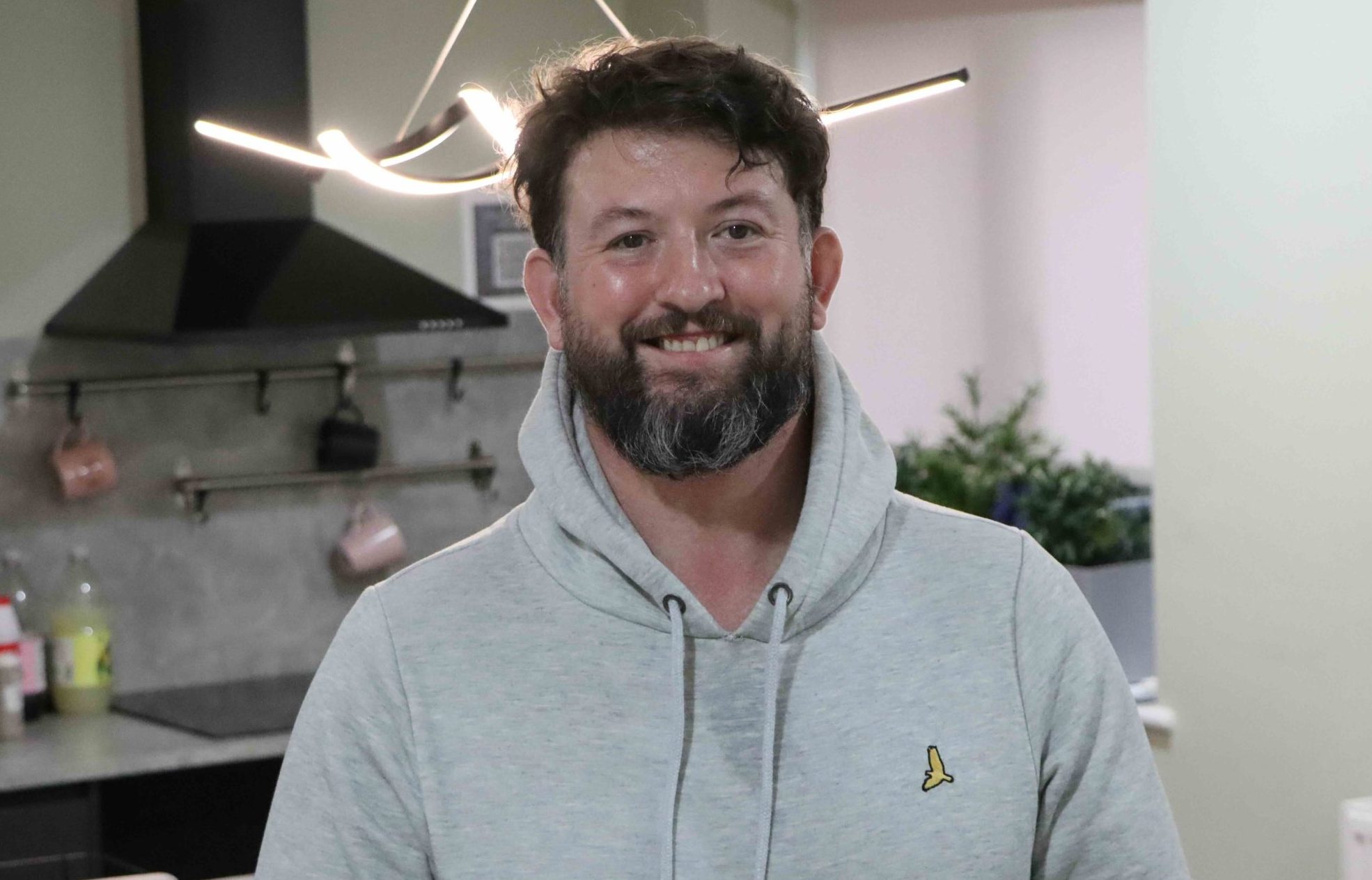
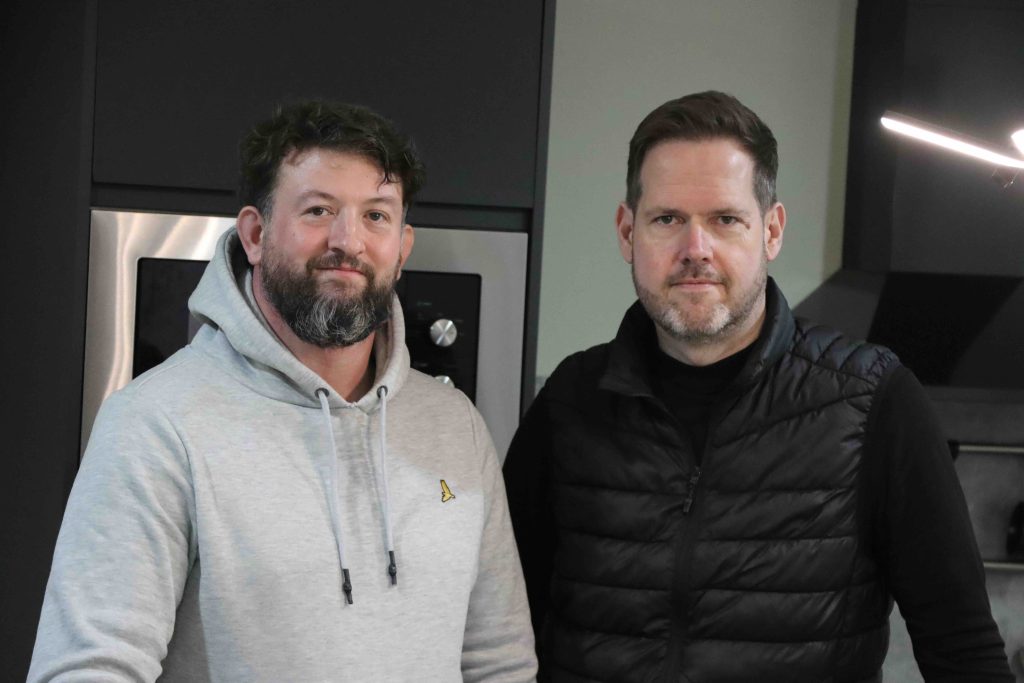
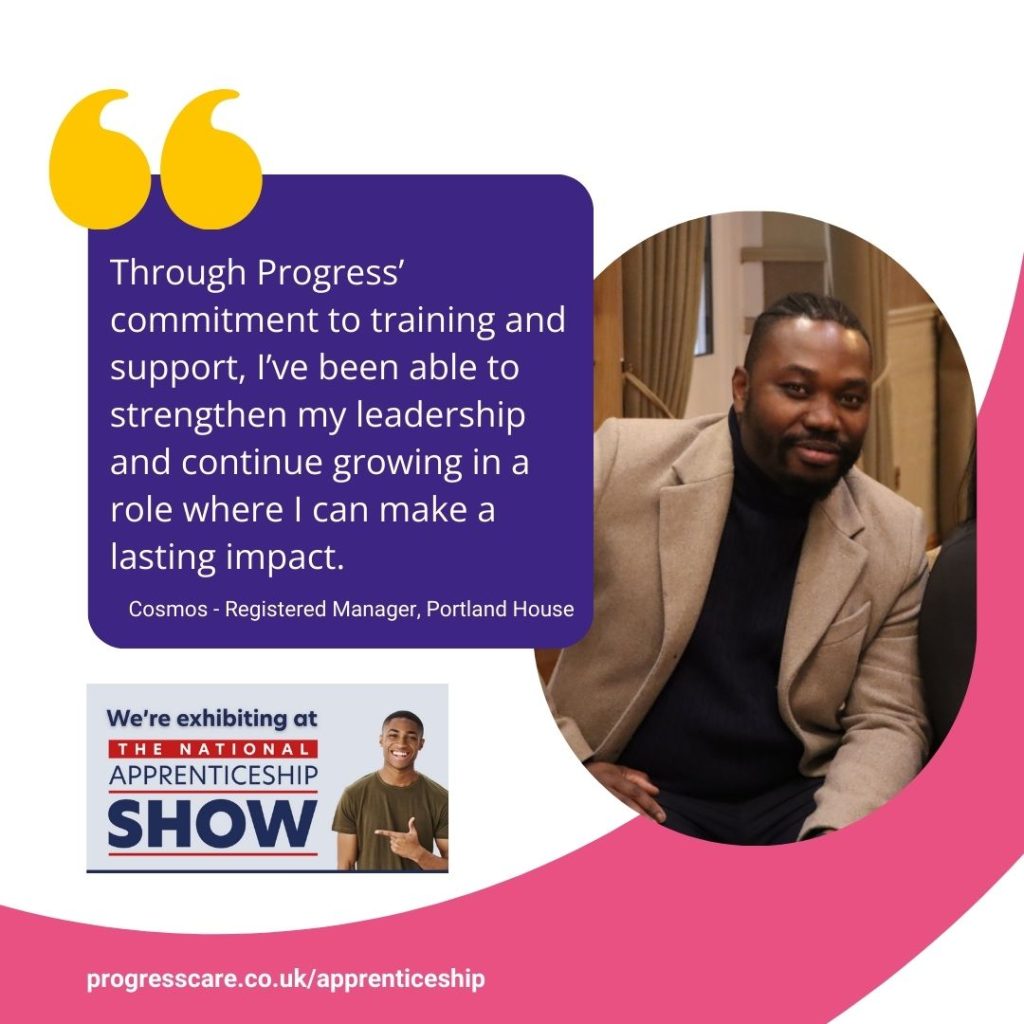
2025 Progress Summer BBQ was winding down when Cosmos and Josh finally found a moment to breathe and to talk to me. Children were still laughing across the field; staff huddled with them in small circles and the outdoor natural light softened everything it touched. On the sidelines, away from the DJ’s music and the crowds, the two managers slipped easily into the kind of conversation that only happens between people shaped by the same calling.
Both men lead children’s homes — Progress’ Portland House and Hilton House. Both began as support workers. Both carry the quiet resilience that frontline care teaches. In very different ways, they represent the heart of what International Men’s Day means at Progress: presence, steadiness, tenderness and growth.
For Josh, this summer was a return to something he did not realise he had missed. Hilton House had planned a holiday for all the children. Five young people, one big countryside house and a week carved out of routine. Last year they tried the beach. This year they wanted something softer, something green, something that offered breathing space.
“It was peaceful,” he recalled. “Quiet. Safe. Just right for the kids.”
Preparation became a project of its own. Staff who were not attending still played their part by creating visual aids, drafting social stories, mapping risks and planning activities. Josh found himself doing things he had not done in years. He wrote activity timetables, stepped back into direct risk assessments, went on supply runs and even took charge of the barbecue night. The excitement of the children pulled him instantly back into the rhythm he once knew so well.
The holiday gave him something he did not expect. It reminded him why the work matters. He learned new things about every child, small things and emotional things that only surface when daily life slows down. A farm adventure on the final day revealed unexpected joys, sensory experiences and honest curiosity.
“It refreshed everything,” he said. “And it helps the care plans because you come back with a better understanding. But it also just felt good. Away from the laptop. Back to where we started.”
For Cosmos, the summer carried a different kind of intensity. He had been splitting his time between Portland House and supporting a young person in Coventry who was transitioning into adult provision. The process was gentle and deliberate. Staff from the adult service visited three times a week so that the young person could see familiar faces rather than strangers on their first day in a new service.
“Sometimes they need to see the person who will be there for them,” Cosmos explained. “It is not just about observing. It is about connection.”
He was also preparing for his own upcoming holiday with a young person who rarely gets to leave the home or see family. Museums, aircraft and fire engines were on the itinerary. All the things that light up this young person’s world.
“It is rewarding,” he said softly. “When you take them somewhere new and watch their world grow a little.”
The changing shape of leadership
Both men admitted that management reshapes your relationship with the work. Where they once spent long hours on activities, their roles now involve oversight, planning, safety and systems. Those responsibilities matter deeply but they also create distance from the spontaneous moments that first anchored them in care.
“When we were support workers, we were in it,” Cosmos reflected. “Now you have to think like a manager. You do not lose your love for the children, but you lose some of those moments.”
This summer gave both of them a chance to reconnect with the parts of the job that first captured their hearts.
Across Progress and the wider care sector, women form the majority of the workforce. Male staff are fewer and male managers fewer still. Yet for many children, a positive and gentle male presence plays a vital role in their healing.
Josh has seen how rare that presence can be in the lives of the children he supports.
“For some of them, they have not had many male figures,” he said. “Us being there makes a difference.”
Cosmos agreed. He sees the potential in male staff, sometimes bright, sometimes untapped and sometimes buried beneath comfort.
“We have strong male staff,” he said. “But not all of them believe they can progress. Some do not see themselves in leadership because they have not seen enough of us in those positions.”
Visibility matters. Representation matters. Not through symbolism but through steady reassurance that tells others they belong in these roles too.
Neither manager planned to work in care. One studied music. One simply needed a job after university. One applied for a role without realising it was a care job at all. But somewhere between agency shifts, shared notes, late-night conversations, behaviour support, school runs and small victories, purpose found them.
And they stayed.
They grew.
They now lead.
What they hope for the future
What they want most is for more men to see themselves in this sector. Not as placeholders or task-doers, but as nurturers, protectors, connectors and leaders.
“People do not always think long-term anymore,” Cosmos said. “But care gives you more than a paycheck. It gives you room to grow.”
Josh added another hope.
“People come from all kinds of backgrounds. If they give this work a chance, they might find what we found.”
As the sun slipped behind the trees at the Summer BBQ, Cosmos and Josh settled into the easy rhythm of two colleagues who have walked the same long road. They came into the sector at the same time, learned together, climbed together and held the joy and exhaustion of the work side by side.
Their stories are unpolished in the best way. They reflect the quiet strength men bring to care. Not through noise or bravado but through presence, steady hands and the willingness to show up where it matters most.
For the children supported at Progress, that presence can reshape the world.
To Cos, Josh, and all the men of Progress, Happy International Men’s Day.