
Come and meet us – no pressure, no application required

Sometimes, the hardest part of applying for a new job isn’t the form or the interview.
It’s figuring out whether a place actually feels right. 

That’s why, this Friday, our adult supported living service, The Hub, is opening its doors for something a little different. We are kickstarting an informal drop-in session for anyone who’s curious about working at The Hub. No presentations. No pressure. Just a chance to come in, meet the people behind the roles, and ask whatever questions you might have. 

Whether you’re actively job-hunting, thinking about a change, or simply want to understand what working in care at Progress is really like, you’re welcome. 

Why we’re doing this 

We know that applying for a role in care is a big decision. Many people want to understand the culture, the support, and the day-to-day reality before they commit to an application. Some want to talk things through first. Others just want to get a feel for the place. 

As Rachael, registered manager for The Hub, put it during planning: sometimes people don’t want to “start the job journey” straight away, they just want to find out a bit more. This drop-in is designed for exactly that. 

What to expect on the day 

If you come along, you’ll be able to: 

  • Meet members of the team and team leads 
  • Ask honest questions about roles, shifts, pay, and progression 
  • Learn more about our services and how we support staff 
  • Get a feel for whether Progress might be right for you 

You don’t need to bring a CV. You don’t need to prepare anything. You don’t even need to decide whether you want to apply. This is simply about conversation. 

We’ve found that some of the best conversations and strongest potential candidates are people who just walk in and start talking 

If you’re curious, that’s enough 

You don’t have to be sure.
You don’t have to be ready.
You just have to be curious. 

If you’ve ever wondered what makes Progress different, what support really looks like behind the scenes, or whether a role in care could be right for you, we’d love to meet you this Friday. 

Sometimes, the best first step isn’t an application, it’s a conversation. 

National Compliment Day Revealed the Heart of The Hub

“You are similar age as my son, but I don’t think my son can do what you are doing, you are a young and hardworking person.” 

In the care sector where outcomes are usually measured in care plans and progress reports, there exists an unseen architecture. It is built of small, human moments—the shared silence over a cup of tea after a difficult day, the infectious laugh that cuts through morning fatigue, the quiet nod that says, “I see you, and you’re not alone.” At The Hub, Progress’ Adult Supported Living Service, this architecture is their most vital asset. Recently, they paused to survey its blueprint.  

For National Compliment Day held over the weekend (on Saturday 24 January 2026), the staff put pen to paper to celebrate one another. What unfolded was a profound map of human connection—dozens of individual testaments to the kindness, strength, and humour that form their foundation. 

To read these pages is to step into the warm, bustling heart of the team. It is to understand that before a single young person is supported, the supporters themselves are engaged in a continuous, gentle practice of holding each other up. This is the story of that practice, told in their own words. 

Chapter 1: The Keepers of the Flame – Cultivating a Human Atmosphere 

Some people don’t just fill a room; they shape its very climate. Here, these individuals are acutely valued. They are the ones who make the space feel safe, warm, and genuinely welcoming, often simply through their presence. 

One colleague is celebrated in these terms: “You are such a genuinely kind and supportive person. Your positive attitude and willingness to help others never goes unnoticed, and you make the workplace a nicer place to be just by being you.” This is perhaps the ultimate compliment in a caring profession—to be told that your essence makes the environment better. It is a quiet, pervasive magic. 

This magic takes many forms. For one, it is a radiant consistency: “You always have a smile on your face and lovely things to say and have a positive attitude.” Their presence is described as “always happy, uplifting those around him and creating a welcoming atmosphere.” For another, it is in a simple greeting: “a lady who has always greeted me with the warmest smile and kind words.” These are not superficial traits; they are the bedrock of psychological safety. In an environment that regularly holds the weight of vulnerability, such consistent warmth is a beacon. It tells everyone who enters, from a nervous new staff member to a struggling young person, that they are in a place of goodwill. 

The role of the calm, steady presence is honoured with equal reverence. One is noted for a “calm and quiet demeanour, making him approachable and easy to learn from.” Another is “approachable, calm, and very helpful.” In the midst of potential chaos, these individuals are the still point. They are the deep breath in the room, their composure a silent reassurance that things can be handled. As one colleague observes, they possess a “reassuring and positive attitude” that makes working alongside them “a really enjoyable experience.” They are the anchors, ensuring the ship remains steady even in rough waters. 

Chapter 2: The Languages of Support – From Loud Laughter to Silent Strength 

If the atmosphere is the climate, then support is the daily weather—and here, it comes in every variety. The compliments celebrate this beautiful diversity, showing that there is no one right way to care. 

There are the architects of joy, those who wield humour as a tool of resilience. “You’re funny without even trying. I always end up laughing on a shift with you,” a colleague writes. Another earns affectionate bewilderment: “You are absolutely insane I never know if you’re being serious or not. Saying that you make shifts a lot of fun.” A third is called “such a lovely, friendly, welcoming and generous guy… you always make me laugh and are fun to be around.” This laughter is not an escape from the work; it is a vital part of it. It releases tension, forges bonds, and reminds everyone that joy and care can coexist. It is, as one note simply puts it, what makes a colleague “shine.” 

Then there are the pillars of practical action, those whose support is expressed in deeds, not just words. They are the “hardworking and dedicated” ones, who have “come on leaps and bounds” and are someone you can “always have a laugh with.” They are the “organised” one and the “handy maintenance guy, handles the shift very well.” They are the person of whom it is said: “You just know without a doubt that if you take over from him everything will be done.” This reliability is a profound form of respect. It communicates: You can rest; I will hold things here. 

The nurturing instinct runs deep, often expressed in beautifully familial terms. One is thanked for looking out for a colleague “like a big sister.” Another is called a “mother hen” who provides comfort. A third is seen to “look after the colleagues like a big brother.” Another is appreciated for looking after the team “like a dad.” These are not casual metaphors. They speak to a bond that transcends professional courtesy, entering the realm of chosen family. It is a bond where one colleague can gently chide another to “please control eating cakes. Start doing exercise. No carb No sugar”—a comment only possible with deep affection and shared history. 

Chapter 3: The Tapestry of Relationship – Colleague, Mentor, Friend 

The most striking theme woven through every page is the seamless blend of roles. Here, a colleague is often also a mentor, a confidant, and a friend. The learning flows in all directions. 

Wisdom and experience are held in high esteem. One is “full of knowledge,” and their lived experience makes them “an invaluable member of the team.” A leader’s approach is praised because “she is also very much on our level, approachable, and relatable – exactly the kind of management that earns respect.” Another sets “a great example for the team and makes it easy to learn from her.” This guidance is not top-down; it is shared, offered with patience. “Thank you for always being so willing to help, your support and kind gestures means a lot,” one note reads. 

Yet, there is equal celebration of the fresh perspective and eagerness of newer members. One person’s “eagerness to learn and adapt makes him an invaluable asset to the team.” A colleague tells another, “I’m also learning lots from you.” The culture is one of mutual growth, where a younger colleague can be told, “you are similar age as my son, but I don’t think my son can do what you are doing, you are young and hardworking person.” 

Beneath the professional respect flows a deep current of personal friendship. The notes are peppered with heartfelt declarations: “You are my colleague and a friend. You are a special person with the heart of gold.” “I really want to say thank you for always being there as a friend and colleague. It means a lot to me my brother.” “Hey you are funny, talkative, thoughtful, very caring, kind and helpful, I am very lucky to have you in my life as a friend and as a colleague.” This is the extraordinary alchemy of the team—the transformation of a workforce into a community, where work relationships are underpinned by genuine love and care. 

Epilogue: The Collective Heartbeat 

Perhaps the most powerful summary comes not in a compliment to one person, but to all. One note reflects on the team as a whole, describing them as “welcoming, collaborative, and consistently supportive.” It observes: “Everyone brings something unique to the table, combining their skills, experience, and personalities in a way that makes the team stronger. They approach their work with genuine compassion… Above all, they are a pleasure to work alongside, making it easy to feel comfortable, learn quickly, and enjoy being part of the team.” 

This is the ultimate result of all those individual acts of kindness, all that shared laughter, and all that quiet reliability. For the young people they serve, this is the environment they enter. They are not met by a system, but by a living, breathing community that is already practising what it preaches. They are met by a group that has learned, through caring for each other, how to better care for others. 

The story told in these dozens of compliments is a masterclass in humanity. It reveals that the foundation of exceptional support work is not found in a manual, but in the daily, conscious choice to see the best in one another, to lift each other up, and to build, together, a home for the heart. Here, they haven’t just built a service. They have built a sanctuary, for themselves and, in turn, for every young person who walks through their door. 

This Thursday, Progress will be holding its first recruitment event for the year, and it is for The Hub. If you know anyone that will thrive in the service, encourage them to apply to participate. They can register here: progresscare.co.uk/events/jan29  

The Smith’s Team Honoured with Supportive Colleague Award at Superstar Awards 2025

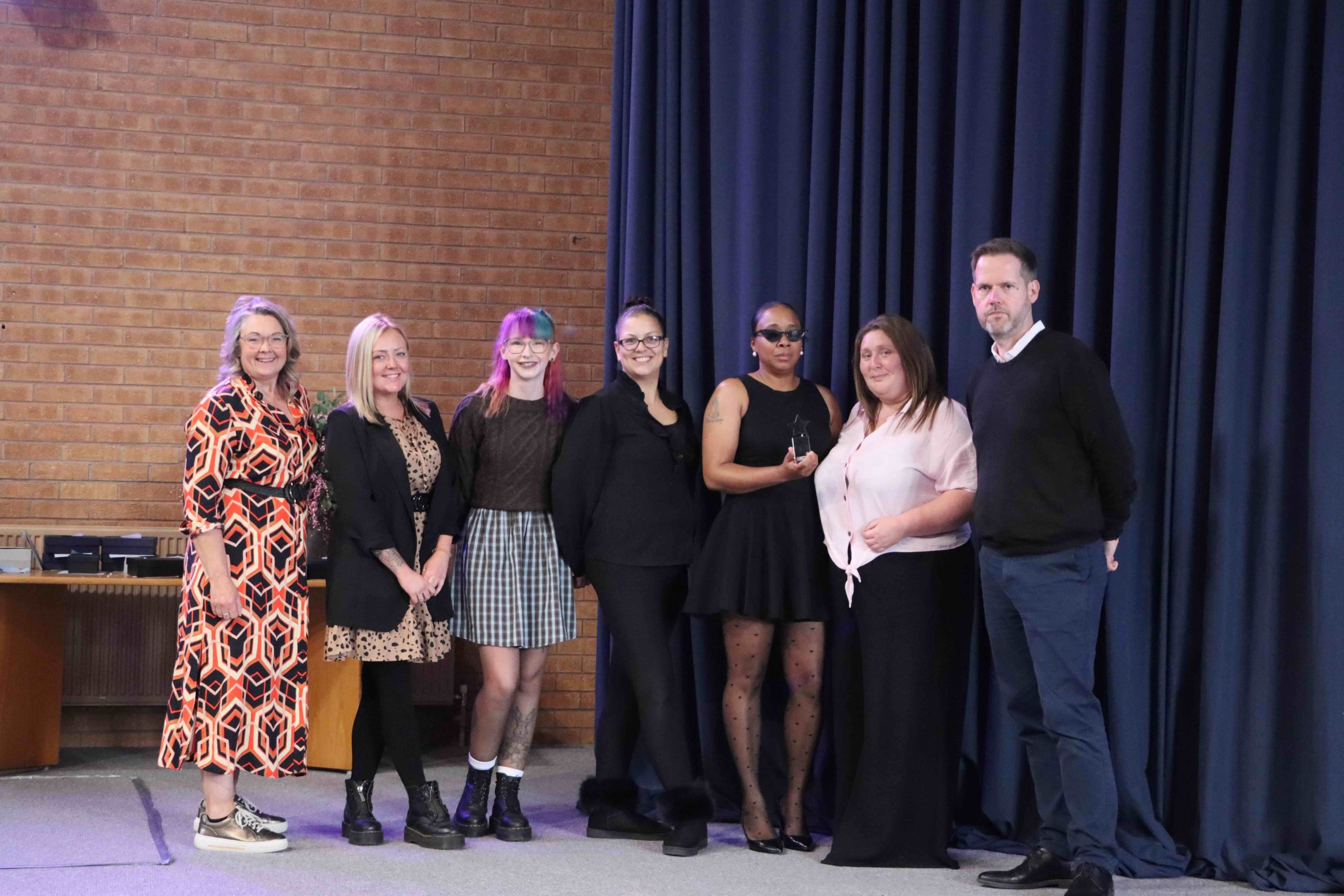
At this year’s Progress Superstar Awards, The Smith’s Team, part of The Hub Service within Progress Adult Services, received the Supportive Colleague Award for their compassion, strength and togetherness during a truly challenging year.

The award was presented by Phil McDonald, Head of Adult Services at Progress, who praised the team for the way they supported each other through loss while continuing to care for the people they support every day.

“Rather than one person, this is going to a team of people,” Phil said. “A young person they support passed away this year, and the team around that situation have kept each other going while continuing to care for the people they support.”

The room was filled with emotion as colleagues applauded The Smith’s Team. Their award recognised not only their professionalism but also their compassion and ability to stand by one another through difficult times.

Phil spoke about how their strength and unity reflect the heart of Progress and what it means to truly care for one another.

“What you’ve done for each other this year speaks volumes about who you are as a team,” Phil said. “You’ve shown what real support looks like.”

The Smith’s Team are part of The Hub Service within Progress Adult Services, where teamwork, empathy and resilience are at the centre of everything they do. Their award is a celebration of the quiet, consistent kindness that defines the Progress community.

Congratulations to everyone in The Smith’s Team for showing what it really means to look out for one another.

If their story inspires you and you’d like to be part of a team that values care and connection, we’d love to meet you at one of our upcoming recruitment events:

Children’s Services Recruitment Day – Progress Head Office, 11 November

Fill in the form below to let us know you’re coming and start your own Progress journey:

    Crafting the Narrative of The Hub

    When Rachael, Kim and Abby are asked to describe The Hub without a script, something remarkable happens.

    At Progress, there is a belief that the way a service is described should reflect how it is delivered: collaboratively, thoughtfully, and with people at its centre. Instead of drafting a service description in isolation, the team held a spontaneous and open creative session to co-create the narrative of The Hub, one of Progress’s uniquely dynamic and person-centred support services.

    Before writing about The Hub, the team began by talking about it.

    In the service’s operations room at the head office, the registered manager (Rachael), service lead (Kim), and team leader (Abby) gathered to share their reflections. Not from policy documents or prepared notes, but through conversation, laughter, reflection and honest dialogue. What emerged was a vibrant tapestry of perspectives, grounded in lived experience and deep insight into what The Hub truly represents.

    One particularly resonant moment came when Kim summarised the scope of outcomes The Hub supports:

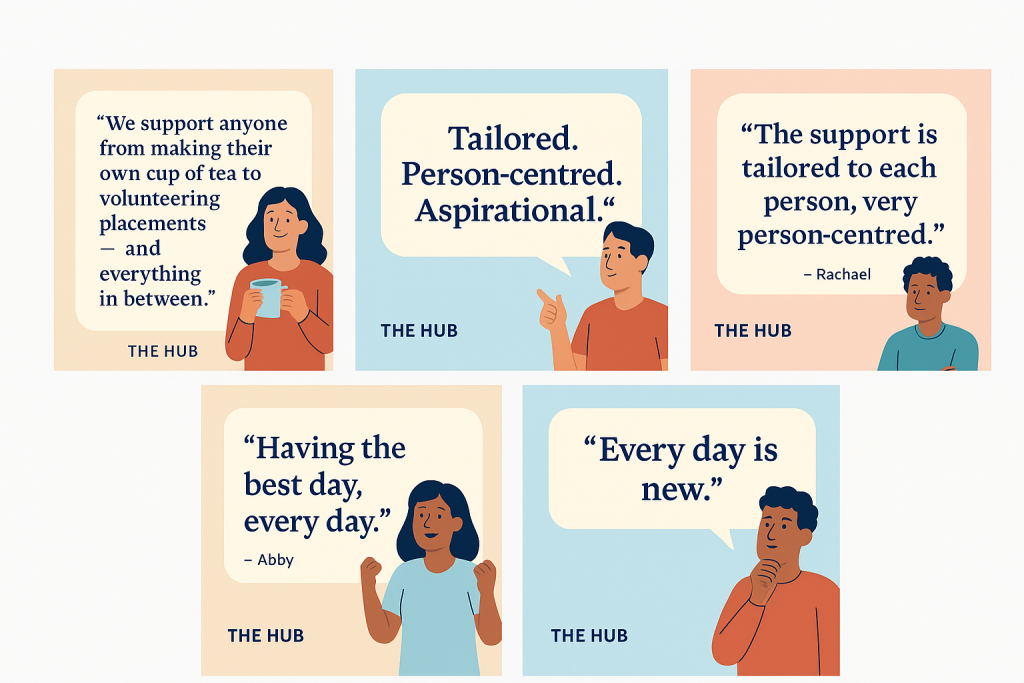
    “We support anyone from making their own cup of tea to volunteering placements, and everything in between.”

    This simple phrase captured the flexibility and breadth of The Hub’s support model, which empowers young adults with learning disabilities to develop skills, build confidence and grow in independence at their own pace.

    The Hub is designed for individuals transitioning into adulthood, often following their first adult placement. It bridges the gap between structured care and independent living, providing a safe, supportive and aspirational environment. Whether prompting daily routines or delivering complex care, support is shaped entirely around the individual.

    “Tailored. Person-centred. Aspirational.”

    During the session, the team brainstormed keywords that best reflected their values. The list grew quickly: independence, freedom, choice, development, tailored, innovative, aspiration. Each word captured not just what they do, but how they do it and why it matters.

    Rachael noted:

    “The support is tailored to each person, very person-centred. But we’re also growing, as a team, as a service, and with the people we support.”

    Abby offered a simple but powerful expression of the outcomes the team strives for:

    “Having the best day, every day.”

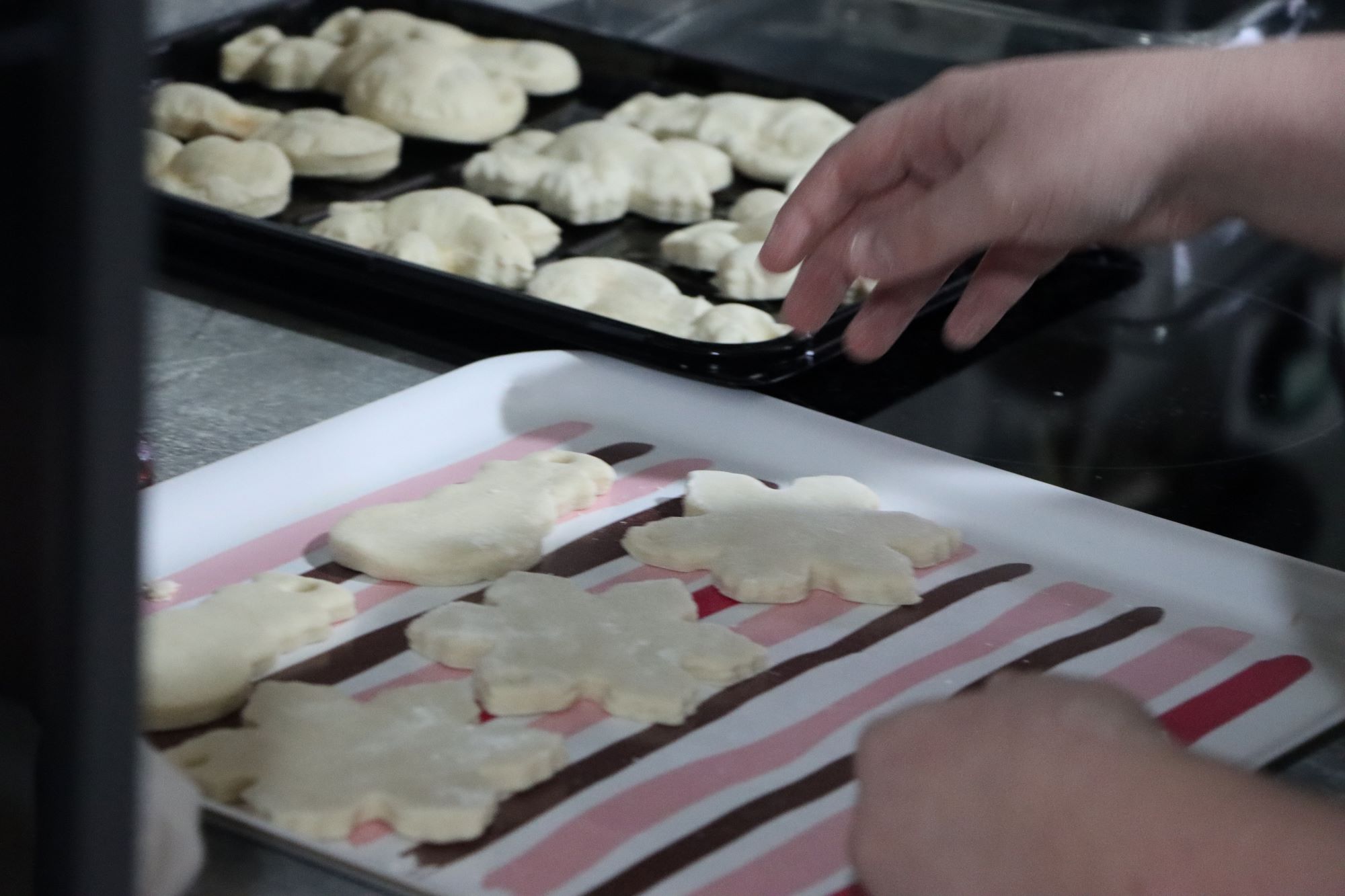
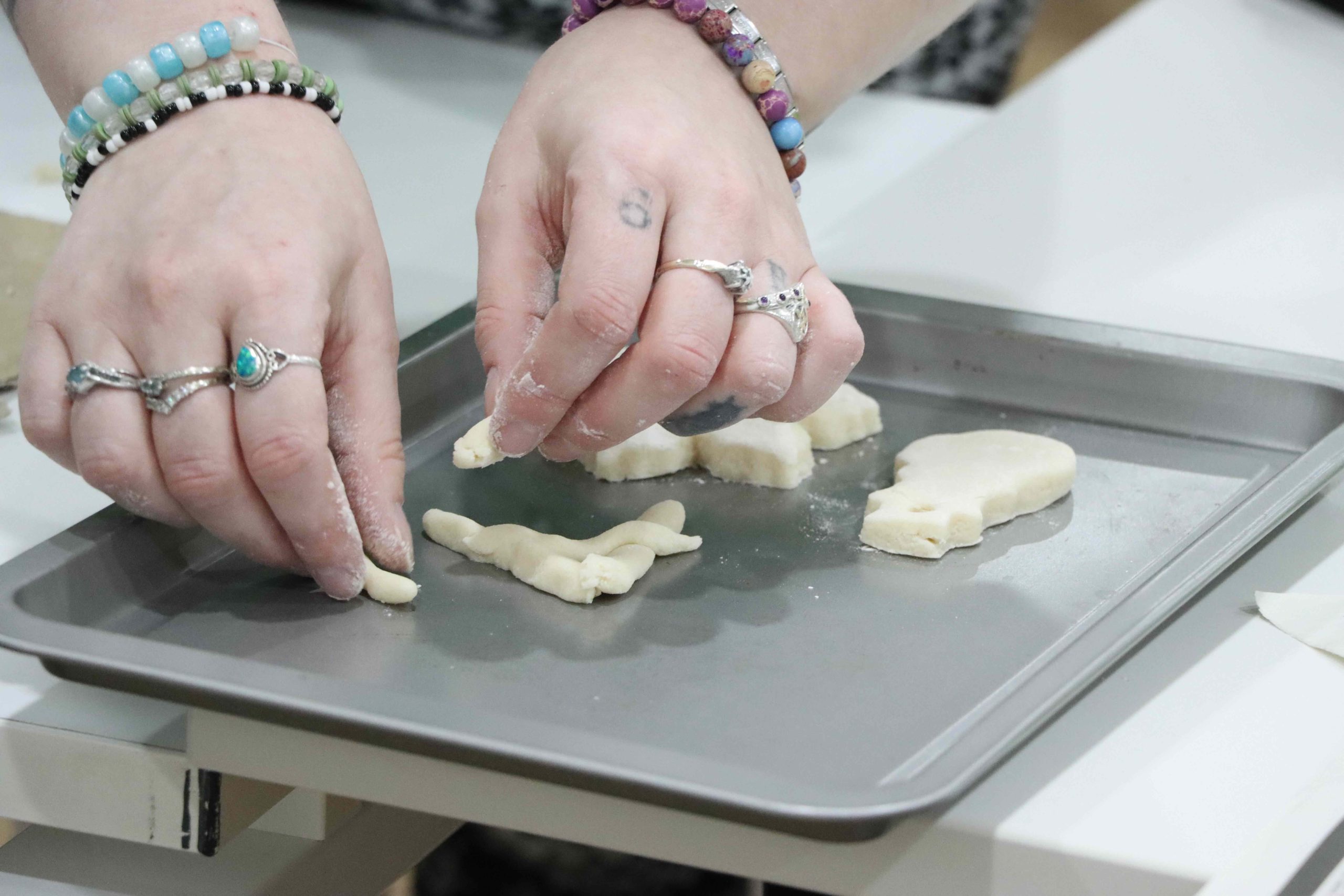
    Whether that means joining a football team, creating a model museum in the garden, or choosing a new hairstyle, the team celebrates each individual’s goals and helps them make them a reality.

    So, what is The Hub?

    Here is the collaboratively written service description, shaped directly by the voices in the room:

    The Hub offers tailored, person-centred support for young adults with learning disabilities transitioning into adulthood, helping them live independently and confidently. From prompting with daily tasks to complex care support, The Hub empowers individuals to make choices, gain new experiences, and lead their best lives. At its core, The Hub is about freedom, aspiration and development. It enables people to thrive, connect with their community, and achieve preferred outcomes such as volunteering, joining teams, or simply enjoying everyday moments.

    Building More Than a Description

    What made this session truly special was not just the words that emerged, but the way they emerged. Amid laughter, shared memories, and a few light-hearted jokes (including one about “working for chocolate”), the team reconnected with the heart of their work. They were reminded that each person they support deserves to be seen, heard and celebrated, not only in the care they receive, but in how that care is described.

    As the team reflected together, one sentiment stood out:

    “Every day is new.”

    That is the essence of The Hub, a place of growth, joy, challenge and new beginnings. The team is proud of what they have built, and even prouder of the people who bring it to life every single day.

    There are career opportunities at The Hub. Click here to register to attend their forthcoming recruitment day. Or fill the form below

      The Vital Role of Support Workers at Christmas

      The holiday season is a time for joy, togetherness, and reflection. While many of us spend Christmas surrounded by loved ones, indulging in festive traditions, there are those whose dedication ensures others can experience the warmth of the season, no matter their circumstances. At Progress, our support workers embody this spirit of care and compassion, even on Christmas Day. 

      For support workers like Harninder Singh, the festive period is an opportunity to create special moments for the individuals they support. This Christmas, Harninder will be on duty, ensuring that young individuals being supported by The Hub experience the magic of the season in a way that is meaningful and memorable for them. “One of our residents, Adam, will have his family visiting for a few hours on Christmas Day,” he shares. “After that, we’ll plan some activities in the evening to keep the festive spirit alive. I’ll even be wearing my Christmas hat!” 

      Harninder’s commitment highlights the importance of the role support workers play—not just in providing essential care but in creating an environment of joy and community. At The Hub, and across Progress, this means going beyond the practicalities of care to ensure residents feel included in the season’s celebrations. From organising festive activities to sharing meals and laughter, the focus is on fostering a sense of belonging and cheer. 

      For many of our young adults, these moments are deeply significant. “Christmas is about more than decorations or presents,” Harninder explains. “It’s about ensuring that everyone feels warm, valued, and cared for, especially during the colder months when many people face challenges like staying warm or affording heating.” 

      At Progress, we recognise and deeply appreciate the dedication of our staff who work during the holidays. Their efforts ensure that the people we support continue to receive the care they need while also enjoying the festivities in a way that brings joy and comfort. To every support worker who gives their time and energy during this season, we extend our heartfelt gratitude. 

      Harninder’s Christmas wish is simple yet poignant: “Live in peace, stay warm, and have a good Christmas and a Happy New Year.” It’s a sentiment that reflects the very essence of Progress’ mission—providing care that goes beyond the expected to touch lives in meaningful ways. 

      As we celebrate this season, let us not only enjoy the festivities but also take a moment to acknowledge the incredible work of our support workers. Their dedication ensures that every resident, no matter their situation, can share in the warmth and joy of Christmas. To all our staff on duty this Christmas: thank you for the invaluable role you play in making the season brighter for so many. 

      The Role of a Support Worker at The Hub: Empowering Lives with Compassion and Care – Harninder

      Support workers at The Hub play an instrumental role in enabling the people supported to achieve their fullest potential while living as independently as possible. The Hub, part of Progress’ supported living services, is a unique space where individuals currently aged 18 to 29 receive tailored support to navigate their lives and grow in confidence. For support workers, the role goes beyond simply providing care—it’s about fostering dignity, independence, and meaningful connections in an environment where every day brings new opportunities and challenges.  

      Supporting Independence and Building Confidence 

      The primary goal of a support worker at The Hub is to help people develop the skills they need to lead independent and fulfilling lives. From personal care to household tasks, every activity is an opportunity to build confidence and autonomy. “Even the smallest tasks, like guiding an individual to make a cup of tea or helping them organise their shopping, can be transformative,” explains Harninder Singh, a support worker at The Hub. “It’s about celebrating every achievement, no matter how small it seems.” 

      Daily routines are designed to encourage people to participate actively in their care and activities, fostering a sense of responsibility. These routines range from physiotherapy sessions to community outings and rehabilitation exercises, all tailored to the individual’s abilities and interests. For the people supported, this personalised approach creates a sense of purpose, while for support workers, it offers the rewarding experience of seeing progress unfold. 

      The focus on independence also involves empowering people to make choices and take control of their lives. Support workers serve as guides and mentors, ensuring they feel capable and supported as they navigate new experiences. This collaborative approach underpins the success of The Hub’s services, ensuring individuals feel valued and capable in their journey towards independence. 

      Adaptability: Meeting Diverse Needs 

      The Hub’s supported living environment caters to individuals with a wide range of needs, requiring support workers to be highly adaptable. Some individuals require intensive one-to-one care, including assistance with complex medical conditions such as epilepsy management or PEG feeding. Others are more independent, needing only guidance and encouragement to achieve their goals. “Each day is different,” says Harninder . “You might be supporting someone with personal care in the morning and helping another resident work on their confidence during a community outing in the afternoon.” 

      This diversity demands flexibility and creativity from support workers, who must tailor their approach to suit each individual’s unique circumstances. Technology also plays a vital role in delivering consistent care. At The Hub, tools like One Touch streamline communication and documentation, allowing support workers to access care plans, record activities, and share updates efficiently. Harninder admits that adjusting to digital systems was initially challenging but acknowledges their benefits: “Once you get the hang of it, everything is right there on your phone or tablet, which makes it so much easier to stay organised and provide the best support.” 

      The role also requires quick thinking and the ability to handle unexpected situations with poise. Whether it’s finding indoor activities during bad weather or managing behavioural challenges, support workers must remain calm and resourceful, always keeping the well-being of the person supported at the forefront. 

      Building Trust and Fostering Relationships 

      The success of The Hub’s services relies heavily on the strong relationships support workers build with the people supported. These relationships are rooted in trust, mutual respect, and a shared commitment to personal growth. “When I first started working with one of the individuals, I was nervous about how to approach him,” Harninder reflects. “But over time, we built trust, and now we work together with confidence and understanding.” 

      Trust is fostered through consistent communication and empathy, allowing people to feel secure and supported. Professional boundaries are maintained, but the atmosphere at The Hub is warm and collaborative, with a focus on creating a sense of community. “The Hub feels less like a workplace and more like a family,” Harninder says. “Everyone is approachable, from the management team to the staff, which makes a huge difference in how we work together to support the people in our service.” 

      By prioritising trust and respect, support workers create an environment where residents feel valued and capable. This foundation not only enhances the quality of care but also empowers residents to engage fully with the opportunities available to them. 

      Rewards and Challenges 

      While the role of a support worker is deeply rewarding, it also comes with its challenges. The demands of the job can be both physical and emotional, requiring resilience and dedication. “It’s not always easy,” Harninder admits. “But when you see a individual achieve something they never thought possible, it makes everything worth it.” 

      One of Harninder’s most memorable moments involved helping an individual navigate a shopping trip independently. “Watching him pick out items, load them onto the conveyor belt, and pack his shopping bags—it was such a proud moment for both of us,” he recalls. “It’s those little victories that remind you why this work is so important.” 

      The role also requires a proactive mindset, as support workers are often responsible for planning activities and finding ways to keep the people they support engaged. Creativity and enthusiasm are essential traits for anyone considering this career, as is a genuine passion for making a difference. “You have to want to do this job for the right reasons,” Harninder emphasises. “It’s not about the pay—it’s about helping people live their best lives.” 

      For support workers at The Hub, the role is more than just a job—it’s an opportunity to create meaningful change, one day at a time. Through their dedication and compassion, they help residents build the skills, confidence, and independence needed to thrive, making The Hub a truly transformative place. 

      The Hub: Empowering Lives and Building Independence

      At the heart of Progress, The Hub is a vibrant supported living service dedicated to transforming the lives of young adults. Helmed by Kimberley Parkes, the service lead, and Rachael Thompson, the registered manager, The Hub fosters a nurturing environment where residents can achieve their full potential.  

      The service is specially designed to support young adults between the ages of 18 and 27, offering a safe, inclusive space that empowers them to embrace independence while receiving the care they need. With its person-centered approach, The Hub is a vital lifeline for individuals and their families, providing more than just support—it offers hope, progress, and a brighter future. 

      A Vision Beyond Care 

      The Hub is guided by a vision that extends far beyond traditional care. It is a place where young adults are empowered to take control of their lives, no matter their circumstances. Residents with life-limiting or degenerative conditions are encouraged to achieve meaningful milestones, such as visiting the seaside for the first time or mastering life skills like preparing a meal. These achievements, while seemingly small, represent monumental steps toward independence and confidence for many residents. The team works tirelessly to create experiences that promote dignity and self-worth, helping individuals see beyond their limitations and focus on what they can achieve. 

      Beyond its immediate impact on residents, The Hub’s philosophy reflects a deep commitment to community and inclusion. By emphasising normality and opportunity, the service ensures that residents feel a sense of belonging and self-respect. This philosophy inspires not only those living at The Hub but also their families and the community around them, demonstrating that every life is valuable and worth celebrating. Every success story becomes a testament to the profound impact of tailored, compassionate care, making The Hub a shining example of what supported living can accomplish. 

      Central to this vision is the idea of fostering a future where every individual, regardless of their challenges, has the opportunity to thrive. The team at The Hub understands that empowerment comes in many forms, from encouraging small daily victories to helping residents achieve lifelong goals. This vision not only shapes the daily work of The Hub but also sets a standard for excellence in supported living services. By prioritising each resident’s unique journey, The Hub creates an environment where transformation and growth are both possible and celebrated. 

      The Hub’s dedication to this vision ensures that it remains a leader in supported living. By focusing on the individual needs and aspirations of its residents, The Hub redefines care as a collaborative, empowering process. It is this holistic and forward-thinking approach that makes The Hub an invaluable resource for young adults and their families. 

      Diverse Support Services 

      The Hub’s services are as diverse as the individuals it supports, ensuring that each person receives care tailored to their specific needs. The service accommodates residents within its supported living facility while extending support to families in the surrounding community. This dual approach allows The Hub to cater to a wide spectrum of requirements, from those who need complex medical care to individuals seeking guidance in their journey toward greater independence. The variety of services reflects The Hub’s commitment to meeting individuals where they are and helping them move forward. 

      For residents with complex needs, The Hub provides specialised care, including moving and positioning, peg feeding, and epilepsy management. These services are delivered with precision and compassion, ensuring the highest standards of care. At the same time, The Hub supports individuals with autism, ADHD, or other developmental conditions, helping them navigate daily challenges while building the skills and confidence to live more independently. This comprehensive approach ensures that The Hub is a place where all needs—physical, emotional, and social—are met. 

      The community support aspect of The Hub is equally robust. By working closely with families, The Hub helps create a supportive network that extends beyond its walls. This collaborative effort strengthens the impact of its services, enabling young adults to thrive in their communities. Social workers and other external partners also play a crucial role, referring individuals to The Hub and helping tailor care plans that align with each person’s unique circumstances and goals. 

      At the heart of these services is a commitment to fostering independence and dignity. Whether it’s through rehabilitation programs, daily living support, or community integration activities, The Hub’s services are designed to empower residents and their families. This holistic approach ensures that everyone involved benefits from the care and support provided, creating a ripple effect of positive change. 

      A Typical Day at The Hub 

      Life at The Hub is as dynamic and engaging as the individuals it supports. A typical day balances meeting basic needs, such as personal care and domestic tasks, with activities that promote growth, independence, and joy. Residents are encouraged to participate in daily routines, from preparing meals to organising their living spaces. These tasks not only instil a sense of responsibility but also help build valuable life skills that contribute to their independence over time. 

      Physical and recreational activities form a core part of the daily schedule. Residents may attend physiotherapy sessions, participate in swimming for rehabilitation, or engage in hobbies that bring them joy and fulfilment. Each activity is tailored to the individual’s abilities and interests, ensuring that they are both challenging and rewarding. This approach helps residents stay active and engaged, promoting physical health and emotional well-being. 

      The Hub’s staff play a crucial role in making each day meaningful. They work closely with residents to plan activities, set goals, and celebrate achievements. This collaborative dynamic ensures that residents feel supported and empowered, fostering a sense of agency in their own lives. Whether it’s organizing a day trip, helping with rehabilitation exercises, or simply sharing a moment of laughter, the staff are dedicated to making every day at The Hub memorable. 

      What truly sets The Hub apart is its emphasis on creativity and initiative. Residents and staff alike are encouraged to explore new opportunities, from discovering local events to trying out new hobbies. This proactive approach ensures that life at The Hub is never stagnant but always evolving, offering residents and staff alike the chance to grow and thrive. 

      The Team Behind the Success 

      The Hub’s dedicated team is the backbone of its success. Led by Rachael and Kim, the team embodies qualities such as kindness, trustworthiness, and enthusiasm. Kim emphasises that while technical skills can be taught, traits like compassion and a positive attitude are innate and indispensable. This focus on character ensures that every team member contributes to the supportive and empowering environment that defines The Hub. 

      The team’s diversity is another strength, with members bringing a wide range of skills and experiences to their roles. This diversity allows The Hub to cater to the unique needs of each resident, pairing them with staff whose expertise aligns with their requirements. Whether managing complex medical needs or providing emotional support, the team works collaboratively to ensure that every resident receives the best possible care. 

      A culture of growth and development permeates the team at The Hub. Many staff members, including Kimberley, have advanced through various roles within Progress, gaining valuable experience along the way. This commitment to professional development not only benefits the staff but also enhances the quality of care provided to the people they support. By investing in their team, Progress ensures that The Hub remains at the forefront of supported living services. 

      Finally, the team’s passion and dedication create a vibrant and inspiring atmosphere. Their commitment to empowering residents and fostering independence is evident in everything they do. By prioritising kindness, trust, and initiative, the team at The Hub continues to make a profound difference in the lives of the young adults they serve. It is this unwavering dedication that makes The Hub a truly exceptional place to live and work. 

      A Day in the Life: Renee’s Journey at The Hub

      Renee, a support worker (supported living) at The Hub Service at Progress, brings a vibrant and compassionate spirit to her role, making a significant impact on the lives of young adults with severe learning disabilities and complex needs. Renee recently shared her experiences, daily routines, and the joy she finds in her work. 

      Originally from Bermuda, Renee’s career began in sales and retail before she moved to the UK seven years ago. She joined Progress a little over a year ago and quickly adapted to her new role. Reflecting on her journey, Renee said, “I just come in, and whatever the young person feels like doing, we do. My plan is to have fun, take care of them the best I can, and make sure they enjoy their life.” 

      A typical day for Renee involves a mix of activities tailored to the needs and preferences of the young adults she supports. She explained, “If the young person feels like going out, we go out. If not, we find fun things to do indoors.” Her flexibility and enthusiasm are key to creating a positive and engaging environment for the residents. 

      One of the most memorable moments for Renee was a birthday celebration for a young girl at The Hub. “We had an animal man come, and all the young people were excited to see and hold the animals. Everyone had fun, and it went smoothly. The birthday girl was so happy; she said, ‘I love you. This is nice.’ It warmed my heart,” Renee recalled. 

      Despite the challenges, Renee finds immense fulfilment in her work. She emphasised, “My goal is to make them have fun and enjoy different things. Seeing them smile and engage with people warms my heart.” Her dedication to ensuring that each day is enjoyable and meaningful for the residents is evident in her approach. 

      Renee also highlighted the supportive and family-like atmosphere among the team at The Hub. “We stick together and help each other out. Management is always there to support us, and I appreciate how they meet me halfway, especially when I have to adjust my work schedule due to personal issues,” she said. 

      When asked about the qualities needed to excel in her role, Renee mentioned patience, clarity, teamwork, and good communication. “I know passion and patience are crucial,” she added. 

      Renee’s journey at The Hub is a testament to the transformative power of dedicated care and a positive attitude. Her ability to create a fun and nurturing environment not only enriches the lives of the young adults she supports but also brings her a sense of joy and accomplishment. As she continues to grow in her role, Renee remains committed to making a difference, one smile at a time. 

      If you are suitably qualified and have a passion for working with young people in a supportive and dynamic environment, we encourage you to explore the career opportunities at Progress. Click here to learn more about our current vacancies and how you can become part of The Hub family. 

      Empowering and Amplifying Children’s Voices at Progress

      Supporting the young people under the care of Progress extends far beyond mere rhetoric; it’s a fundamental ethos deeply embedded within our values. Every day, we actively seek innovative ways to empower each individual and provide platforms for expression, ensuring their voices resonate throughout Progress. 

      This week, we are thrilled to showcase two pioneering initiatives aimed at fostering communication and nurturing essential life skills among the young people we have the privilege to support: the introduction of a small post box and the re-launch of the Voices of Progress initiative. 

      Angeline Freer, Head of Corporate and Commercial Services at Progress recently donated a vibrant red post box, to facilitate an exciting avenue for interactive expression. Angeline purchased the post box as she recognised its potential to spark young people’s imaginations and build skills for everyday life. Being small in stature, the small post box delivers inclusivity for wheelchair users and those who’s height does not enable them to reach a normal post box. 

      Angeline envisions the post box facilitating a wide range of activities, offering young people the opportunity to deposit letters, cards, and feedback. Cultural festivals and birthdays etc. prompt the children to convey messages to their families, caregivers, or support network, fostering a sense of independence and agency, along with feedback on our services during Voices of Progress events. Located at our Resources Centre, the box is accessible to young people across Progress’ diverse services. 

      Beyond its practical function, the post box serves as a vital tool for skill development. Simple tasks like mailing a letter can pose challenges for some children and adolescents. Engaging in this activity not only cultivates communication skills but also provides insight into the workings of the postal system, fostering a deeper connection to the community through meaningful participation. 

      The post box’s arrival has sparked curiosity and enthusiasm, reinforcing Progress’ unwavering commitment to nurturing young people’s growth. This innovative addition provides a unique platform for children to share their perspectives, thereby bolstering their confidence in articulating their thoughts. 

      Voices of Progress 

      During a recent event hosted by Progress’ outstanding fostering service, children were invited to express their thoughts about their foster carers. This week, we are privileged to share the heartfelt messages of four children, accompanied by poignant reflections from the fostering service highlighting each child’s individuality. 

      This initiative underscores Progress’ steadfast dedication to amplifying the voices of every child and young person under our care, ensuring that their experiences are heard, valued, and prioritised.

      World Autism Awareness Day: Progress’ autism-aware approach

      Tuesday 2 April 2024 is World Autism Awareness Day


      The United Nations General Assembly unanimously declared 2 April as World Autism Awareness Day to highlight the need to help improve the quality of life of those with autism so they can lead full and meaningful lives as an integral part of society.

      Autism is a lifelong neurological condition that manifests during early childhood, irrespective of gender, race or socio-economic status. The term Autism Spectrum refers to a range of characteristics. Appropriate support, accommodation and acceptance of this neurological variation allow those on the Spectrum to enjoy equal opportunity, and full and effective participation in society.

      Autism is mainly characterised by its unique social interactions, non-standard ways of learning, keen interests in specific subjects, inclination to routines, challenges in typical communications and particular ways of processing sensory information.

      The rate of autism in all regions of the world is high and the lack of understanding has a tremendous impact on the individuals, their families and communities.

      The stigmatisation and discrimination associated with neurological differences remain substantial obstacles to diagnosis and therapies, an issue that must be addressed by both public policymakers in developing nations, as well as donor countries.

      700,000


      There are 700,000 autistic people in the UK – that’s more than 1 in 100. If you include their families, autism is a part of daily life for 2.8 million people.

      30%


      Just 30% of autistic adults in the UK are in any form of paid employment. This is amongst the lowest rates of employment for people with additional needs or disabilities.

      3x


      Autism is 3 times more prevalent in boys than girls. Signs of autism in girls can present themselves differently and as a result can be misdiagnosed or missed leading to more boys getting a diagnosis.

      Progress’ autism-aware approach to interior design

      “Colours can have a profound impact, especially for children with autism. We strive to create adaptable spaces where colours can be changed to suit individual preferences, ensuring the environment remains stimulating and comforting.” 

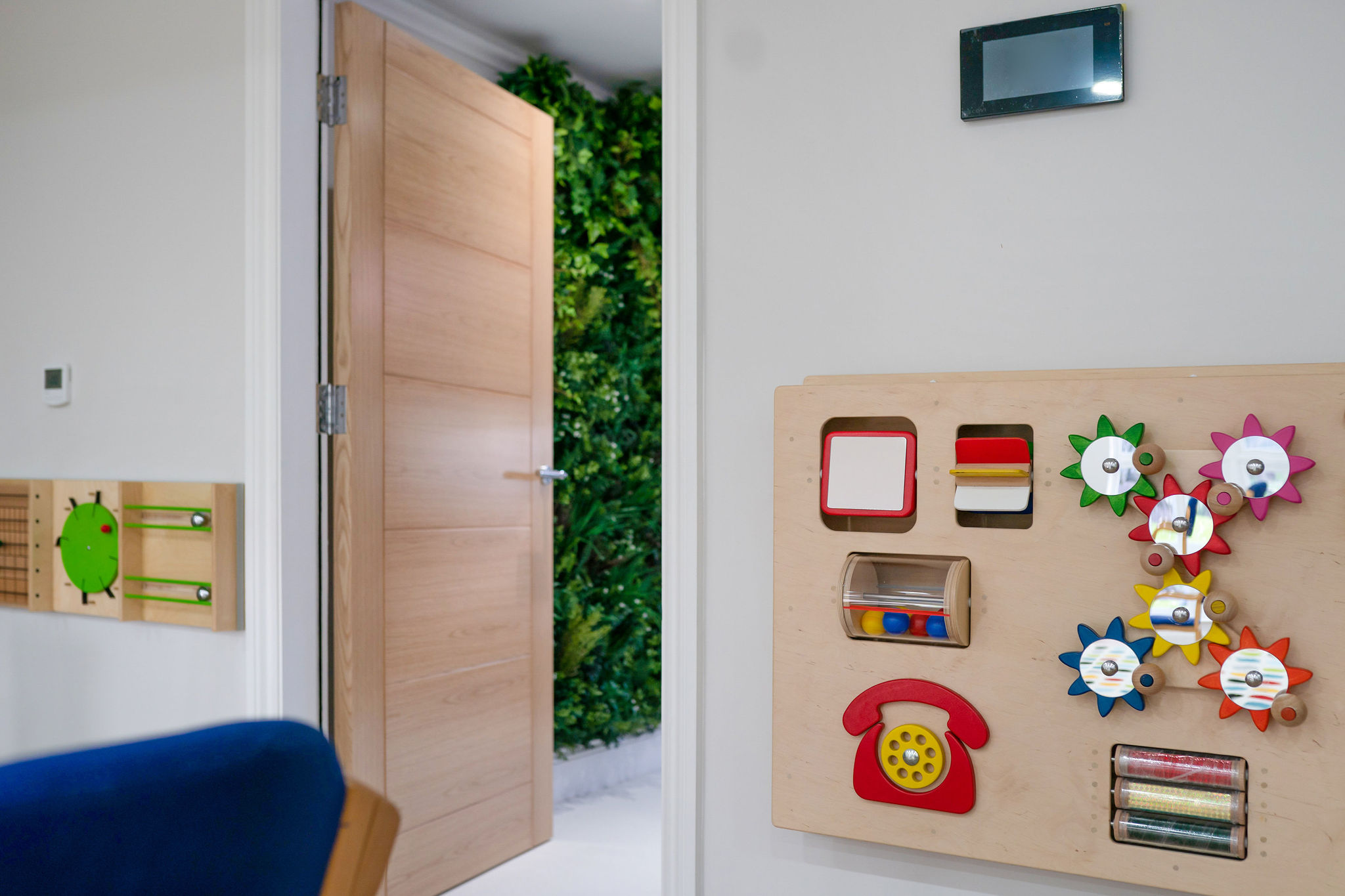
      At the core of Progress’ approach to interior design is the concept of sensory design. We utilise principles such as space, colour, texture, form, and light to create spaces that meet the unique sensory requirements of the children they care for. These principles are not just about aesthetics; they are fundamental in addressing the sensory needs of the children.

      Preet Anand, founder of Mood Interiors, has been instrumental in redefining the role of interior design at Progress’ homes. Preet and her team approach each Progress project by understanding the specific needs of the children. She described it as a comprehensive process that takes into account the individual requirements of each child.

      In sensory design, colour plays a pivotal role. Preet says, “Colours can have a profound impact, especially for children with autism. We strive to create adaptable spaces where colours can be changed to suit individual preferences, ensuring the environment remains stimulating and comforting.”